Keeping your home clean is important, but when it comes to carpets, simple cleaning is not always enough. If you are wondering how to disinfect carpet properly, it helps to understand that disinfecting goes beyond just removing visible dirt. It focuses on killing bacteria, germs, and odors that live deep inside the fibers.
Many people vacuum regularly or use basic cleaning products, but these methods mainly deal with surface dirt. Germs, allergens, and bacteria can still remain hidden underneath. This is why disinfection becomes important, especially in homes with pets, children, or after spills and accidents.
You may need to disinfect your carpet after food spills, pet messes, illness, or when there are strong odors that regular cleaning cannot remove. In some cases, like after vomit or pest exposure, proper disinfection becomes essential for health and hygiene.
In this guide, you will learn simple and effective ways to disinfect carpet at home. From deep cleaning methods to natural solutions, everything is explained in easy language so you can choose the best option for your situation.
Carpet Disinfection Methods
| Method | Best For | How It Works | Pros | Cons |
| Steam Cleaning | Deep sanitization | Uses heat + moisture to kill germs | Very effective, deep cleaning | Needs machine, longer drying |
| Disinfectant Spray | Quick cleaning | Chemical spray kills bacteria | Easy, fast use | Needs correct dwell time |
| Vinegar Solution | Natural cleaning | Acid breaks down bacteria & odor | Safe, cheap, eco-friendly | Less powerful than chemicals |
| Hydrogen Peroxide | Light carpets | Kills bacteria & removes stains | Strong stain removal | Can bleach dark carpets |
| Dry Powder (Baking Soda/Borax) | Odor + light sanitizing | Absorbs odor & reduces bacteria | No moisture, quick use | Not deep cleaning |
What Disinfecting a Carpet Really Means (And Why It Matters)
Before learning how to disinfect carpet, it is important to understand what disinfection actually means. Cleaning, sanitizing, and disinfecting are often used as the same thing, but they are different.
Cleaning removes visible dirt, dust, and debris from the carpet. Sanitizing reduces the number of germs to a safer level. Disinfecting goes a step further by killing bacteria, viruses, and harmful microorganisms.
One key reason disinfection sometimes fails is because dirt blocks the process. When dust and debris sit on the surface, disinfectants cannot reach the deeper layers of the carpet. This is why proper cleaning always comes first.
Disinfection matters most in situations where hygiene is critical. Homes with babies, pets, or people recovering from illness require extra care. It is also important after accidents like spills, vomit, or pest contamination. In these cases, simply cleaning the carpet is not enough to make it safe.
Start Here: Why Vacuuming First Is Non-Negotiable
The first step in learning how to disinfect carpet is simple but very important: vacuuming. Skipping this step can make all other efforts less effective.
Vacuuming removes loose dirt, dust, and debris from the surface. This allows disinfecting solutions to reach deeper into the carpet fibers. Without vacuuming, the dirt layer acts like a barrier.
Deep vacuuming is even better than quick cleaning. Moving slowly over the carpet and covering each section properly helps remove more particles. Corners and edges should not be ignored because they often collect hidden dirt.
Using a vacuum with a HEPA filter can improve results. These filters trap very small particles like allergens and bacteria, making the environment cleaner before you apply any disinfectant.
Deep Cleaning Methods That Actually Kill Germs
When it comes to fully disinfecting carpets, deep cleaning is one of the most effective methods. It not only removes dirt but also targets bacteria living inside the fibers.
Steam cleaning is a popular method. It uses high heat, which can kill many germs without relying only on chemicals. When combined with a carpet disinfectant solution, the results become even more powerful. This method is ideal for deep sanitization and is often used for larger areas.
Hot water extraction is another strong option. It sprays hot water mixed with a cleaning solution deep into the carpet and then pulls it out along with dirt and bacteria. This method works well for carpets that have heavy buildup or strong odors.
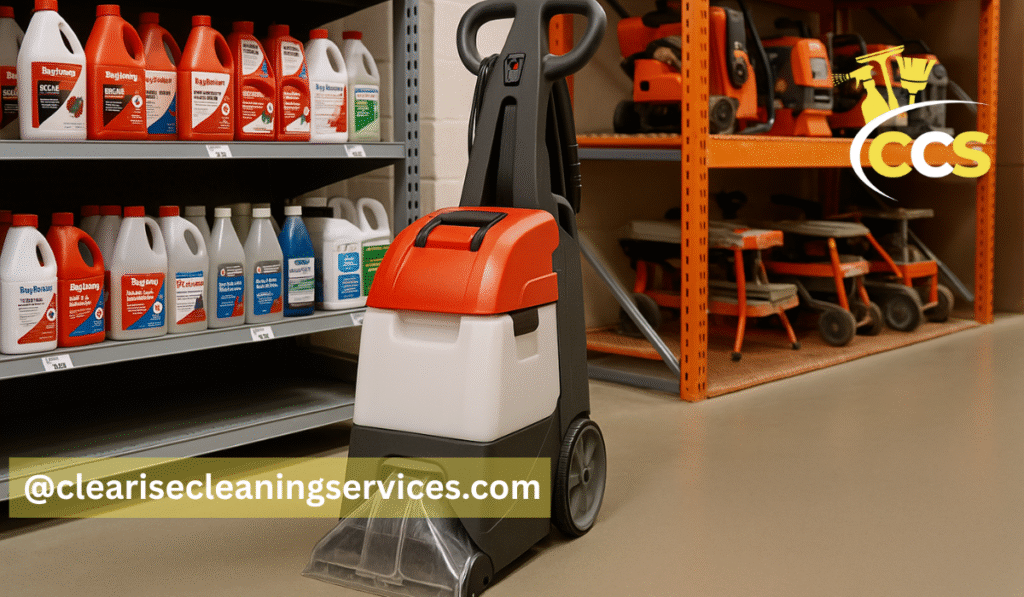
Carpet cleaner machines are useful if you want to do this at home. Many people rent these machines or use their own. They provide a good balance between deep cleaning and convenience.
For the best results, deep cleaning should be done occasionally rather than every day. It is especially useful when your carpet needs a full refresh.
Using Carpet Disinfectant Sprays the Right Way
Carpet disinfectant sprays are designed to kill bacteria on contact. They are easy to use and work well for regular maintenance or spot cleaning.
A disinfectant spray is usually applied directly to the carpet surface. It is important to spray lightly and evenly without soaking the fibers. After application, the solution needs time to work. This is called dwell time, which usually ranges from five to ten minutes.
During this time, the disinfectant is actively killing germs. Wiping or vacuuming too early can reduce its effectiveness. Allowing it to sit properly is key to achieving good results.
One common mistake is using too much product. Over-wetting the carpet can lead to damage or mold growth. Another mistake is not reading the instructions on the product label. Each disinfectant may have different usage guidelines.
Natural Ways to Disinfect Carpet at Home Safely
If you prefer safer options, there are natural ways to disinfect carpet without using strong chemicals. These methods are especially useful in homes with children or pets.
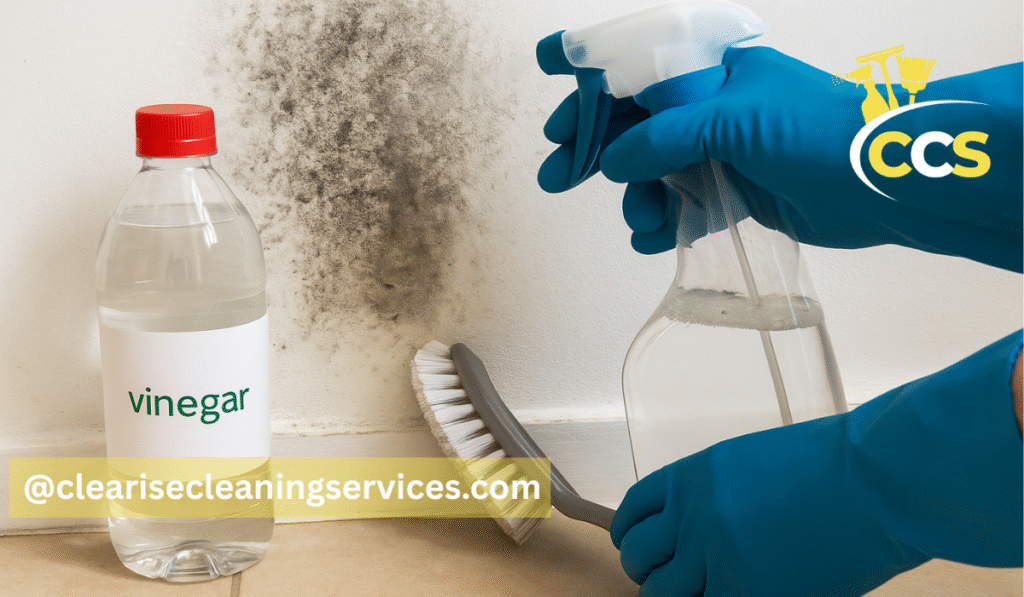
One popular method is using vinegar and water. A simple mixture of equal parts white vinegar and water can be sprayed lightly on the carpet. Vinegar has natural antibacterial properties and helps reduce odors as well.
Hydrogen peroxide is another option, especially for light-colored carpets. It can help kill bacteria and remove stains. However, it should always be tested on a small area first because it can lighten darker fabrics.
A mixture of water, mild dish soap, and rubbing alcohol can also be used. This solution helps break down dirt and remove bacteria at the same time.
These natural methods may not be as strong as commercial disinfectants, but they are safer and still effective for everyday use.
How to Sanitize Carpet Without a Steam Cleaner
Not everyone has access to a steam cleaner, but that does not mean you cannot disinfect your carpet.
One simple approach is the spray and blot method. After vacuuming, you can apply a disinfectant solution and gently blot the area with a clean cloth. This helps remove dirt and spread the solution evenly.
Household solutions like vinegar or mild disinfectant sprays can also be used. The key is to avoid over-wetting and to work in small sections.
This method is ideal for quick cleaning or small areas where a full machine is not needed. It is also useful for people who want a simple way to maintain hygiene regularly.
Dry Carpet Disinfection Methods (Low-Moisture Solutions)
In some cases, using water is not the best option. Moisture can lead to mold if the carpet does not dry properly. This is where dry methods become useful.
Carpet disinfectant powders are designed to be sprinkled over the surface. They absorb odors and help reduce bacteria. After leaving them for some time, they can be vacuumed away.
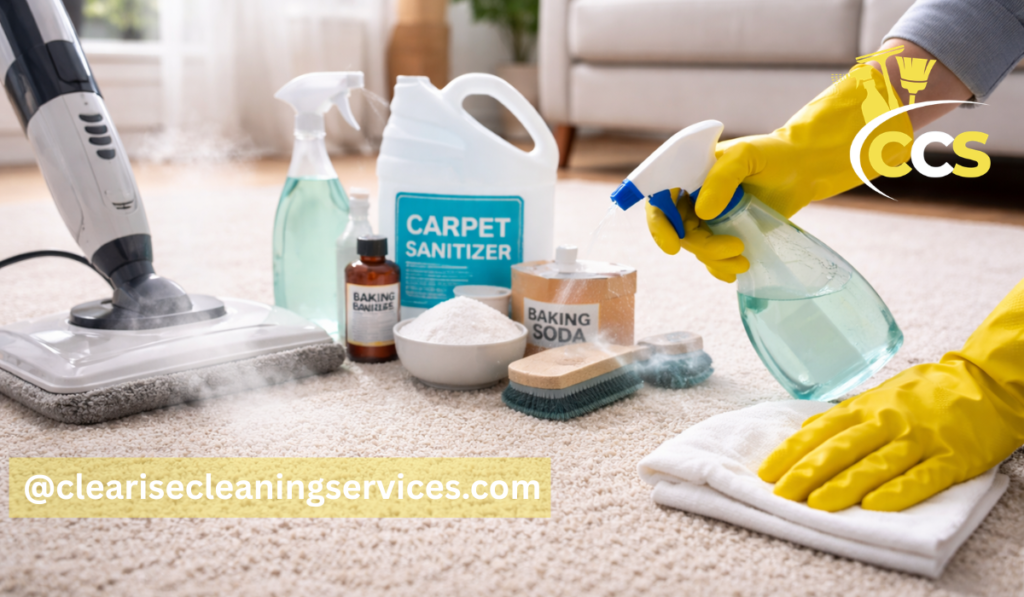
A homemade option is a mixture of baking soda and borax. This combination helps control odors and provides light disinfecting effects. It is simple to use and works well for regular maintenance.
Dry cleaning is a better choice when you want to avoid moisture or when quick drying is needed. It is also helpful in humid environments where carpets take longer to dry.
Special Situations That Need Extra Care
Some situations require more attention when disinfecting carpets. For example, if you want to sanitize carpet for baby use, it is important to choose gentle and safe products. Natural methods are often the best choice in such cases.
If the carpet has been exposed to vomit, it should be cleaned and disinfected quickly. This helps remove bacteria and prevents odors from setting in.
After mice or pest exposure, proper disinfection becomes even more important. Germs from pests can be harmful, so a stronger disinfecting method may be needed.
In all these situations, combining cleaning with proper disinfection ensures that the carpet becomes safe again.
Choosing the Right Carpet Disinfectant Products
There are many carpet disinfectant products available, and choosing the right one can make a big difference.
Sprays are easy to use and work well for quick cleaning or spot treatment. Powders are better for dry cleaning and odor control. Each type has its own purpose.
When selecting a product, it is important to check if it is safe for your carpet material. Some chemicals may damage delicate fibers. It is also helpful to choose products that are safe for pets and children.
Commercial disinfectants are usually stronger and more effective for deep cleaning. Natural solutions are better for regular use and safety.
Common Mistakes That Can Ruin Your Carpet
Even when you know how to disinfect carpet, small mistakes can cause damage.
One of the most common mistakes is using too much water. Over-wetting can weaken carpet fibers and lead to mold growth. Another mistake is not allowing enough drying time.
Using the wrong chemicals can also damage the carpet or cause discoloration. It is always best to test any solution on a small hidden area first.
Skipping the cleaning step before disinfecting is another problem. Without removing dirt, disinfectants cannot work properly.
Drying Your Carpet Properly to Prevent Mold and Bacteria
Drying is just as important as cleaning and disinfecting. If moisture stays in the carpet, it can become a breeding ground for mold and bacteria.
Using fans and opening windows can help improve airflow. In some cases, a dehumidifier can speed up the drying process.
Ideally, the carpet should dry within 24 hours. If it still feels damp after that, more ventilation may be needed.
A fully dry carpet should feel clean and fresh without any musty smell. Proper drying ensures that your disinfection efforts are successful.
Step-by-Step Quick Guide (Simple Process)
- Start by vacuuming the carpet properly
- Choose your method (steam, spray, or natural solution)
- Apply the disinfectant evenly (do not soak)
- Let it sit for 5–10 minutes (dwell time)
- Blot or clean if needed
- Dry the carpet completely using air or fans
Quick Guide: Step-by-Step Carpet Disinfection Process
To disinfect carpet effectively, start by vacuuming thoroughly to remove surface dirt. Choose a suitable method based on your needs, whether it is deep cleaning, spray application, or a natural solution.
Apply the disinfectant carefully and allow it to sit for the recommended time. Avoid using too much liquid. Once done, ensure the carpet dries completely.
This simple process works for both deep cleaning and quick maintenance, making it easy for anyone to follow.
What People Are Saying (Insights Inspired by “how to disinfect carpet reddit”)
Many people share their experiences when trying to disinfect carpet at home. A common concern is dealing with odors that keep coming back even after cleaning.
Some users find steam cleaning very effective, while others prefer natural solutions like vinegar for everyday use. There is also a lot of discussion about avoiding too much moisture to prevent mold.
One practical tip that comes up often is to always test solutions before applying them fully. Another is to focus on proper drying, which many people overlook.
These real-life insights show that simple methods can work well when used correctly.
Conclusion
Learning how to disinfect carpet properly can make a big difference in maintaining a clean and healthy home. It is not just about removing dirt but also about eliminating bacteria and odors that stay hidden inside the fibers.
The most effective approach combines proper cleaning with the right disinfecting method. Whether you use deep cleaning machines, disinfectant sprays, or natural solutions, each method has its place depending on your needs.
The key is to choose safe and suitable techniques for your home, avoid common mistakes, and always allow the carpet to dry completely. With the right approach, you can keep your carpet fresh, clean, and hygienic without damaging its fibers.
FAQs
How Often Should I Disinfect My Carpet?
You should disinfect your carpet every 1–3 months, or immediately after spills, illness, or pet accidents.
Can I Disinfect Carpet Without A Machine?
Yes, you can use sprays, vinegar solutions, or dry powders if you don’t have a steam cleaner.
Is Vinegar Safe For Carpet Disinfection?
Yes, vinegar is a natural and safe option for killing light bacteria and removing odors, but it may not fully disinfect heavily soiled carpets.
How Long Does Carpet Take To Dry After Disinfection?
Most carpets dry within 6–24 hours depending on airflow and moisture used.
What Is The Best Method To Disinfect Carpet Deeply?
Steam cleaning or hot water extraction is the most effective method for deep disinfection.
Disclaimer: This content is for general informational purposes only. Always test cleaning solutions on a small area first and follow product instructions. For severe damage or contamination, consider professional cleaning services.
Thanks for visiting Clearise Cleaning Services! Discover more helpful tips and expert cleaning insights by exploring our related categories.