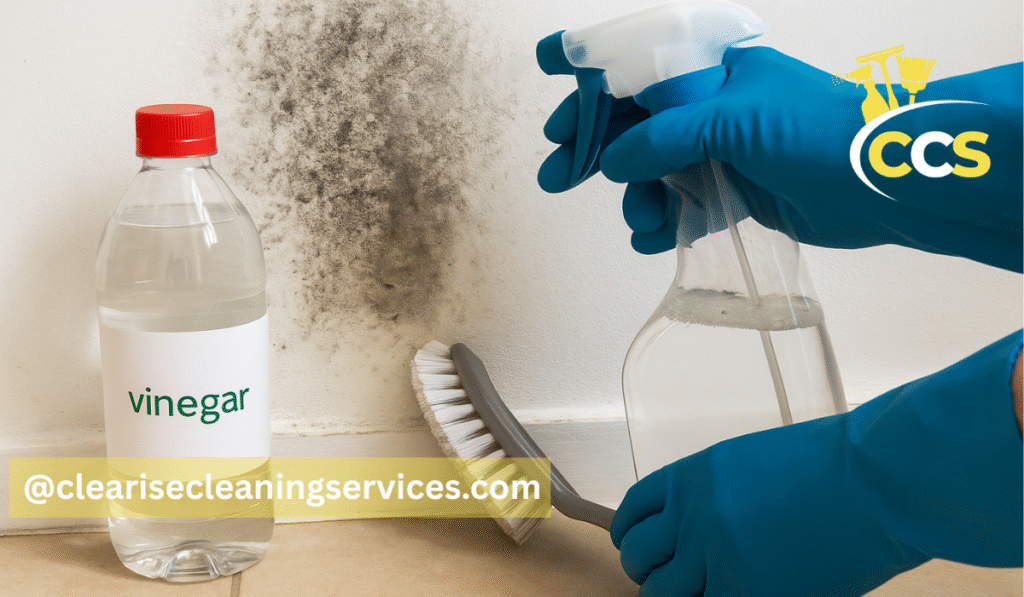
Every homeowner eventually hits the same moment of uncertainty: a room looks tired, a wall looks dull, a ceiling seems darker than it used to be, and the question becomes whether a deep clean will fix it or whether it’s actually time to repaint. Getting this distinction right saves money, time, and the frustration of scrubbing at a problem that was never going to come clean in the first place. Here’s a practical guide to figuring out which one your space actually needs.
Why This Distinction Matters More Than People Think
Cleaning and painting solve fundamentally different problems, even though both leave a room looking refreshed. Cleaning removes surface buildup: dust, grease, fingerprints, general grime that accumulates over weeks or months of normal living. Painting addresses something deeper: worn or damaged material, outdated color, sun fading, or staining that’s penetrated the surface rather than sitting on top of it.
The mistake most people make is defaulting to one or the other without diagnosing which problem they’re actually facing. Scrubbing at a wall with embedded stains or years of sun fading wastes hours and often damages the existing paint further. Repainting a wall that just needs a wipe-down wastes money and creates unnecessary disruption for a problem a bucket of soapy water would have solved in twenty minutes.
Signs a Room Just Needs a Deep Clean
Grime that sits on the surface. Kitchen walls near the stove, light switch plates, door frames near high-traffic areas, and baseboards typically accumulate a film of dust, cooking residue, and everyday handling that a proper cleaning removes completely. If you run a damp cloth over the area and see visible improvement immediately, that’s a strong sign the underlying paint is fine.
Recent staining that hasn’t set in. A fresh scuff mark, a recent splash, or a smudge from moving furniture usually responds well to cleaning if addressed relatively soon. The longer a stain sits, especially on flat or matte-finish paint, the more likely it is to become permanent, which is why quick action matters.
General dullness from dust accumulation. Rooms that haven’t been deep cleaned in a while, particularly ceilings and upper wall areas that don’t get regular attention, often just look dingy from accumulated dust rather than actual paint degradation. A thorough cleaning, including baseboards, trim, and often-overlooked spots like ceiling corners, can dramatically brighten a space without touching a paintbrush.
Signs It’s Actually Time to Repaint
Stains that don’t lift with cleaning. If you’ve already tried cleaning an area and the discoloration remains, particularly water stains, smoke residue, or grease that’s penetrated the paint’s surface, cleaning has done what it can, and the underlying color is what needs to change.
Cracking, peeling, or chalking paint. Paint that’s visibly deteriorating, cracking at the surface, peeling away from the wall, or leaving a chalky residue when touched, is past the point where cleaning helps. This is a material failure, not a dirt problem, and it typically means moisture damage or simply an aged paint job that’s reached the end of its usable life.
Persistent odors. Smoke, pet, or mildew odors that linger even after thorough cleaning often mean the smell has been absorbed into the paint and underlying material itself. Repainting, sometimes with an odor-sealing primer beforehand, is usually the only way to fully address this rather than masking it temporarily.
Outdated color that no cleaning will fix. Sometimes the issue isn’t dirt or damage at all, it’s simply a color choice from a previous decade that no longer fits the space or your taste. No amount of cleaning changes color preference, and this is purely a repainting decision.
Wallpaper or textured surfaces that have aged poorly. Older wallpaper that’s peeling, yellowing, or simply out of style, along with heavily textured ceilings that read as dated, usually require removal and a fresh paint finish rather than any cleaning solution.
A Simple Test Before You Decide
If you’re genuinely unsure, try this: clean a small, inconspicuous section of the affected area thoroughly, using an appropriate cleaner for the surface, and let it dry completely before judging the result. If the section looks noticeably better and matches the surrounding area, a full clean will likely solve the whole room. If the stain, dullness, or discoloration remains even after real effort, that’s your answer: it’s a paint job, not a cleaning job.
When Both Are Needed Together
Often the honest answer is both, in sequence. A wall that’s due for repainting should generally be cleaned first anyway, since paint adheres better to a clean, grease free surface, and any deep cleaning done beforehand can reveal exactly how much of the discoloration was surface-level versus how much will require fresh paint to fully resolve. Treating cleaning as the first diagnostic step, rather than skipping straight to a paint estimate, is usually the most cost-effective way to figure out exactly what a room actually needs.
Thanks for visiting Clearise Cleaning Services! Discover more helpful tips and expert cleaning insights by exploring our related categories.