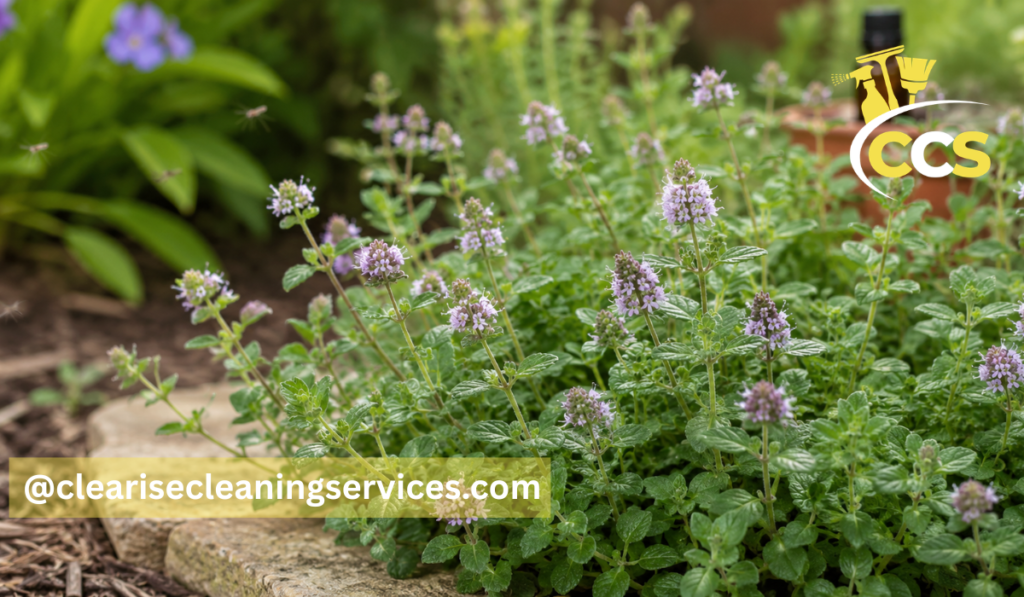
Pennyroyal mint is a small, strongly scented herb from the mint family. At first, it may seem like a simple garden plant because it has a fresh mint-like smell and can grow as a low, spreading groundcover. Many gardeners value it because its sharp aroma may help repel insects around outdoor spaces.
However, pennyroyal mint is very different from common culinary mint. It should not be treated like peppermint, spearmint, or other safe kitchen herbs. Pennyroyal mint contains powerful natural compounds, especially in its essential oil, that can be dangerous if swallowed. Reliable safety sources warn that pennyroyal oil taken by mouth can cause serious poisoning, including liver and kidney failure, seizures, and death.
This article explains what pennyroyal mint is, how to identify it, how it compares with regular mint and spearmint, what it is used for, and why safety must always come first. You will also learn about pennyroyal mint tea, essential oil risks, pet and child safety, growing tips, garden use, and what to know before buying it.
Quick Guide Table: Pennyroyal Mint at a Glance
| Topic | Quick Answer |
| Botanical name | Mentha pulegium |
| Main use | Garden pest repellent and groundcover |
| Smell | Strong, sharp, mint-like aroma |
| Safe to eat? | No, internal use is unsafe |
| Pennyroyal tea | Not recommended due to toxicity risks |
| Essential oil | Highly dangerous if swallowed |
| Best garden method | Grow in a labeled container |
| Main safety concern | Keep away from children and pets |
Key Safety Points
- Do not drink pennyroyal mint tea or pennyroyal tea.
- Never ingest pennyroyal essential oil.
- Do not use pennyroyal oil on pets for fleas.
- Keep the plant, dried leaves, and oil away from children and animals.
- Use pennyroyal mint only as a controlled outdoor garden plant.
What Is Pennyroyal Mint?
Pennyroyal mint is a perennial herb, which means it can grow back year after year when the conditions are right. Its botanical name is Mentha pulegium. It belongs to the Lamiaceae family, the same plant family that includes many familiar herbs such as mint, basil, oregano, rosemary, and thyme.
The plant is known for its strong aroma. When the leaves are crushed, they release a sharp mint-like smell that many people compare to spearmint. This is one reason pennyroyal mint often attracts attention from gardeners and people interested in natural pest control.
People search for pennyroyal mint for several reasons. Some want to identify a plant growing in their garden. Others are looking for natural ways to repel insects. Some are curious about pennyroyal mint uses, pennyroyal mint benefits, or old medicinal traditions linked to the herb. But the most important thing to understand is that pennyroyal mint has a serious safety side. It may be useful outdoors, but it is not a casual kitchen herb.
Pennyroyal Mint Identification
Pennyroyal mint is usually a low-growing plant with spreading stems. It can form a mat-like groundcover and may root where its stems touch the soil. This spreading habit makes it useful in some garden areas, but it can also become difficult to control if it is planted without planning.
The leaves are small, oval, and usually green to grayish-green. They grow opposite each other on the stems, which is common in many mint-family plants. When rubbed between the fingers, the leaves give off a strong, pungent mint scent. The smell is one of the easiest clues, but smell alone should never be used to decide whether a mint-like plant is safe to eat.
Pennyroyal mint produces tiny lilac or pale purple flowers in summer. The Royal Horticultural Society describes Mentha pulegium as a highly aromatic creeping perennial with small lilac flowers in whorls during summer, and also notes that this mint is not edible.
Because pennyroyal mint can look similar to other mint plants, proper identification matters. If you are unsure, do not taste it. Use a plant identification guide, ask a local nursery, or consult a qualified plant expert before handling it as anything more than an ornamental or garden plant.
Pennyroyal Mint vs Mint
The biggest difference between pennyroyal mint and regular mint is safety. Common culinary mints, such as peppermint and spearmint, are widely used in food and drinks. Pennyroyal mint is not used in the same way because it contains compounds that can be toxic, especially when concentrated in essential oil.
Regular mint is often grown for tea, sauces, desserts, salads, and drinks. Pennyroyal mint is mainly discussed for outdoor use, insect-repellent traditions, and historical folk remedies that are now considered unsafe. This difference is important because the word “mint” can make pennyroyal sound harmless, even when it is not.
The aroma is also different. Pennyroyal mint may smell minty, but it has a sharper, heavier scent than many culinary mints. Its growth can also be more creeping and ground-hugging than some upright mint varieties.
Confusing pennyroyal mint with safe mint can be risky. A person might pick the leaves for tea or cooking without realizing the plant is not suitable for internal use. For this reason, gardeners should label pennyroyal mint clearly and keep it separate from edible herbs.
Pennyroyal Mint vs Spearmint
Pennyroyal mint and spearmint can smell similar, especially when the leaves are crushed. This is one reason people often compare them. But they are not the same plant, and they should not be used the same way.
Spearmint is a common culinary herb. It is used in teas, chutneys, sauces, salads, candies, and many drinks. Pennyroyal mint, on the other hand, should not be used as a normal food herb. Even though its leaves may smell pleasant, the plant has a safety profile that makes casual use risky.
In appearance, spearmint often grows more upright with larger, brighter green leaves. Pennyroyal mint is usually lower, smaller-leaved, and more creeping. Pennyroyal flowers also appear in small whorls around the stems, giving the plant a different look during blooming season.
The best way to avoid mistaken use is simple: never harvest unknown mint-like plants for tea or food. If you grow both spearmint and pennyroyal mint, keep them in separate labeled containers. This is especially important in homes with children, pets, or anyone who may pick herbs from the garden.
Pennyroyal Mint Uses
Pennyroyal mint uses are mostly connected with outdoor and non-food purposes. Traditionally, its strong scent has been valued as a natural insect repellent. Gardeners may grow it near sitting areas, pathways, or damp corners where insects are common.
Some people use dried pennyroyal leaves in controlled outdoor spaces or in places where the aroma may help discourage pests. However, caution is still important. Dried leaves should not be placed where children, pets, or livestock may chew or swallow them.
Pennyroyal mint may also be used in companion planting. Because of its strong smell, some gardeners place it near other plants as part of a natural pest-management approach. It is not a complete solution for insects, but it may be one helpful part of a garden plan.
Internal use should be avoided. Pennyroyal mint should not be taken as a tea, oil, supplement, or home remedy. Its history may sound interesting, but modern safety knowledge makes it clear that swallowing pennyroyal products can be dangerous.
Pennyroyal Mint Benefits
The main benefit of pennyroyal mint is its garden value. It can work as a fragrant groundcover, especially in moist areas where some other plants may struggle. Its low-growing habit can help cover bare soil, soften garden edges, and add seasonal flowers.
Another benefit is its natural insect-repellent reputation. The strong scent of pennyroyal mint has long been used to discourage fleas, mosquitoes, ants, and other small pests. This makes it appealing to people who want fewer synthetic products in their outdoor spaces.
There are also traditional household uses linked to dried leaves and aromatic bundles. In the past, people placed strong-smelling herbs in homes, storage areas, or bedding materials to reduce pests. Today, these uses should be approached carefully and kept strictly away from mouths, food areas, pets, and children.
It is important to keep the word “benefits” in perspective. Pennyroyal mint benefits do not make the plant safe for drinking, eating, or medicinal self-treatment. Its value is mostly practical and external, not nutritional or internal.
Pennyroyal Mint Medicinal Uses: Traditional Claims and Modern Safety
Pennyroyal mint has a long history in folk medicine. It was once used for digestion, colds, menstrual problems, and other home remedies. It was also historically used as an emmenagogue, meaning people believed it could bring on menstruation. Some people used pennyroyal in attempts to end pregnancy.
These old pennyroyal mint medicinal uses are not considered safe today. Historical use does not prove that a plant is safe or effective. Many dangerous herbs were used in the past because people did not fully understand their toxic effects.
The biggest concern is internal use. Pennyroyal oil and pennyroyal preparations can damage the liver and kidneys. Poison Control notes that pennyroyal oil contains pulegone, which is highly toxic to the liver, and that poisoning can lead to bleeding, seizures, organ failure, and death.
Readers looking for herbal wellness options should choose safer, better-studied herbs and speak with a qualified healthcare professional, especially if pregnant, breastfeeding, taking medicine, or managing a health condition. Pennyroyal mint should not be used as a home treatment.
Pennyroyal Mint Tea and Pennyroyal Tea Safety
Many people search for pennyroyal mint tea or pennyroyal tea because they have seen old references to it as a folk remedy. This is one of the most important topics to handle carefully because tea sounds gentle and natural, but pennyroyal tea can still be risky.
Historically, pennyroyal tea was used for menstrual and digestive complaints. It also became known for unsafe use during pregnancy. These uses have been connected with serious poisoning cases and should not be repeated.
Drinking pennyroyal tea is unsafe because the plant contains toxic compounds that may affect the liver, kidneys, and nervous system. The risk is especially serious with stronger preparations, repeated use, or any product made from pennyroyal oil.
Children, infants, pregnant women, pets, and sensitive users are at higher risk and should not be exposed to pennyroyal tea or oil. If someone has swallowed pennyroyal oil, pennyroyal tea, or an unknown pennyroyal product, it is safest to contact emergency services, a poison-control center, or a medical professional immediately.
Pennyroyal Essential Oil: The Biggest Safety Risk
Pennyroyal essential oil is the most dangerous form of the plant. Essential oils are highly concentrated, which means they contain far stronger levels of active plant compounds than fresh leaves. With pennyroyal, this concentration can turn a risky plant into a life-threatening poison.
The main concern is pulegone. When the body processes pulegone, toxic substances can form and damage vital organs. NCBI’s LiverTox resource states that pennyroyal oil taken by mouth is highly toxic and has been linked to toxic liver injury and death.
The difference between pennyroyal leaves and pennyroyal oil matters. A plant in the garden may be handled carefully as an ornamental or pest-repellent herb, but the oil should never be swallowed. It should also not be used on skin without expert guidance, and it should never be used on pets for flea control.
There is no safe home dose of pennyroyal essential oil for internal use. Poison Control also states that there is no antidote for pennyroyal oil poisoning, making prevention and fast medical care extremely important.
Is Pennyroyal Mint Safe for Pets and Children?
Pennyroyal mint is not a good plant to leave within easy reach of pets or children. Dogs, cats, infants, and young children may chew leaves, lick oils, or touch treated surfaces without understanding the danger.
Pets are especially vulnerable to essential oils because they may lick their fur, groom after exposure, or inhale strong vapors. ASPCA Poison Control reports that essential oil exposure in pets may cause signs such as weakness, depression, vomiting, diarrhea, nervous system effects, seizures, and, in rare severe cases involving pennyroyal oil, liver injury.
Do not use pennyroyal oil as a flea treatment for dogs or cats. This is one of the most dangerous mistakes pet owners can make. Natural does not always mean safe, and pennyroyal oil is a clear example.
Store pennyroyal seeds, dried leaves, and oils away from children and animals. If a child or pet eats pennyroyal or is exposed to pennyroyal oil, contact a poison-control center, doctor, veterinarian, or emergency service right away.
How to Grow Pennyroyal Mint Safely
Pennyroyal mint grows best in moist soil. It can do well near pond edges, damp garden beds, and places where the soil does not dry out too quickly. It may grow in full sun to light shade, depending on the local climate and moisture level.
Because pennyroyal mint spreads, container growing is often the safest choice. A pot helps control the roots and makes it easier to keep the plant away from edible herbs. It also reduces the chance of the plant moving into areas where children or pets may reach it.
Water the plant regularly, especially in dry weather. Trim it when needed to control its shape and prevent it from spreading too far. If flowers form and you do not want more plants, remove them before seeds develop.
Growing pennyroyal mint safely means treating it as a garden plant, not a kitchen herb. Label the pot clearly. Do not plant it beside edible mint, parsley, basil, or other herbs that people may harvest for cooking.
Pennyroyal Mint in the Garden as a Pest Repellent
Pennyroyal mint is often grown because of its strong scent. Gardeners may place it around patios, garden borders, pathways, or damp areas where insects gather. When brushed or lightly crushed underfoot, the leaves release their sharp aroma.
It may also be planted near some garden crops or ornamental plants as part of companion planting. However, it should not be seen as a complete pest-control method. It works best as one part of a broader approach that includes clean garden habits, healthy soil, proper spacing, and regular plant checks.
To prevent pennyroyal mint from becoming invasive, grow it in a container or in a controlled bed. Remove stems that root outside the desired area. Avoid letting it spread into lawns, vegetable beds, or wild spaces.
When handling pennyroyal mint, wash your hands afterward. Do not rub your eyes, prepare food, or touch pets immediately after crushing the leaves. These simple habits help keep its garden use practical and safe.
Pennyroyal Mint for Sale: What to Know Before Buying
Pennyroyal mint for sale may appear as seeds, small plants, dried leaves, or essential oil. Before buying, decide why you want it. If your goal is cooking, tea, or herbal medicine, choose a safer culinary mint instead. Spearmint, peppermint, apple mint, and chocolate mint are better options for normal kitchen use.
If you are buying pennyroyal mint for the garden, check the label carefully. Look for the botanical name Mentha pulegium. This helps you avoid confusion with other plants that may share similar common names.
Be careful with products marketed for internal use, detox, pregnancy, menstrual support, or weight loss. These claims can be unsafe. Avoid pennyroyal tea products and never buy pennyroyal essential oil with the idea of swallowing it.
For home gardens, a container-grown plant is usually the best choice. It gives you more control, helps prevent unwanted spreading, and makes it easier to keep the plant clearly labeled and away from children, pets, and edible herbs.
Conclusion: Pennyroyal Mint Is Useful, but Safety Comes First
Pennyroyal mint is a fragrant and interesting garden herb with real outdoor value. It can work as a low groundcover, add small purple flowers, and help repel some insects with its strong scent. For gardeners who understand its limits, it can be useful in controlled spaces.
But pennyroyal mint is not the same as safe culinary mint. It should not be confused with spearmint, peppermint, or other herbs used in food and drinks. Its essential oil is especially dangerous, and pennyroyal tea or medicinal self-use should be avoided.
The safest way to think about pennyroyal mint is simple: enjoy it as a clearly labeled outdoor plant, not as something to eat, drink, or apply as a home remedy. With careful growing, smart storage, and respect for its toxicity, pennyroyal mint can have a place in the garden while keeping people and pets protected.
FAQs
Is Pennyroyal Mint The Same As Regular Mint?
No. Pennyroyal mint belongs to the mint family, but it is not the same as common culinary mint. Unlike spearmint or peppermint, it can be toxic if ingested.
What Is Pennyroyal Mint Used For?
Pennyroyal mint is mainly used as a garden plant, natural pest repellent, and groundcover. It should not be used for tea, cooking, or home medicine.
Is Pennyroyal Mint Tea Safe To Drink?
No. Pennyroyal mint tea is not considered safe because the plant contains toxic compounds that may harm the liver, kidneys, and nervous system.
Can Pennyroyal Mint Repel Insects?
Yes, its strong scent may help repel fleas, mosquitoes, ants, and gnats in garden areas. It works best as part of a safe outdoor pest-control plan.
Is Pennyroyal Mint Safe For Pets?
No. Pennyroyal mint and especially pennyroyal oil can be dangerous for pets. Keep it away from dogs, cats, bedding, food bowls, and play areas.
Disclaimer: This article is for general informational and gardening purposes only. Pennyroyal mint can be toxic if ingested, especially as tea or essential oil. Do not use it as medicine, food, or a pet treatment. For poisoning concerns, contact a medical professional, poison-control center, or veterinarian immediately.
Thanks for visiting Clearise Cleaning Services! Discover more helpful tips and expert cleaning insights by exploring our related categories.