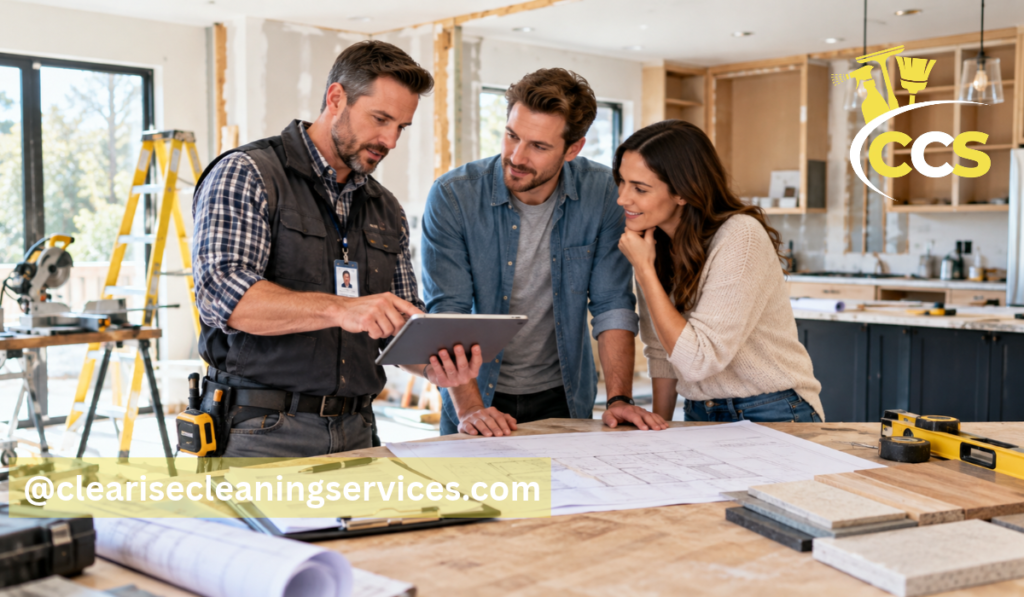
Renovating your home is exciting. You picture the new kitchen, the open living space, the bathroom that finally matches your style. But before the first hammer swings, there is one decision that matters more than paint colours and tile choices. Choosing the right builder.
A good builder can make the process smooth and the results beautiful. A bad one can turn your dream renovation into a nightmare of delays, defects, and unexpected costs. Understanding builder licensing and what it actually means is one of the best ways to protect yourself as a homeowner.
Why Builder Licensing Matters for Homeowners
In Australia, building work above a certain value requires a licensed or registered builder. The exact threshold and the name of the licence vary by state, but the principle is the same everywhere. Builders who meet the requirements have demonstrated their qualifications, experience, and financial suitability. They are accountable to a regulator.
For homeowners, this matters in practical ways. If your builder is unlicensed, your home insurance may not cover defects or damage caused by their work. If they disappear mid-project, you have limited recourse. If their work fails an inspection, you may be left paying for repairs yourself. A licensed builder is not a guarantee of perfection, but it is a baseline of accountability.
What Does “Licensed Builder” Actually Mean?
The terminology can be confusing. In Victoria, for example, the official term is building practitioner registration, not builder’s licence. The regulator is the Building and Plumbing Commission, which took over from the Victorian Building Authority in July 2025. In other states, the terminology and the regulator differ.
What does not change is what the licence represents. A registered builder has completed a recognised qualification, accumulated several years of relevant experience, assembled a portfolio of completed work, and passed an assessment. They have also met financial requirements and hold the necessary insurance.
There are different categories of registration. A domestic builder can work on houses and residential renovations. A commercial builder works on larger commercial projects. Some builders hold unlimited registration, which allows them to manage work of any value. Others hold limited registration for a specific scope. When you hire a builder, ask which category they hold and whether it covers the work you need.
Understanding the Requirements for Builders in Victoria
If you are based in Victoria, or considering working with a builder there, it helps to understand the local framework. The Building and Plumbing Commission oversees registration, and the process is detailed.
For anyone considering a career change or wondering how to become a builder in Victoria, the process involves formal qualifications, documented experience, and a registration exam. Homeowners can use this knowledge to ask the right questions when hiring. A builder who has gone through the process will be able to explain their qualification pathway and their registration category without hesitation.
The key takeaway for homeowners is simple. Always verify your builder’s registration before signing a contract. Every state has a public register where you can check a builder’s credentials. It takes five minutes and can save you months of stress.
Is a Career in Building Right for You?
Some readers of this blog may be considering a career change themselves. The building industry can be rewarding, but it is not for everyone.
For tradies considering the leap from subcontractor to registered builder, it is worth weighing up the realities of the job. There is a realistic breakdown of whether becoming a builder is worth it in Australia that covers the financial, personal, and professional trade-offs involved. It is a useful read for anyone who loves the idea of running their own projects but wants to understand the admin, cash flow, and responsibility that come with it.
How to Verify a Builder’s Credentials
Verification is straightforward. Start with the public register maintained by your state’s building authority. Search for the builder’s name or company. Check that their registration is current and covers the type of work you need.
Ask for references from recent clients. A reputable builder will be happy to provide them. Ask about their experience with projects similar to yours. If you are renovating a bathroom, a builder who specialises in new home builds may not be the best fit.
Confirm their insurance. Registered builders are required to hold certain types of insurance, but the details vary by state and project value. Ask for a certificate of currency and check that it is current.
Questions to Ask Before You Hire
Beyond the paperwork, a conversation with your potential builder will tell you a lot. Ask how they handle variations and changes to the scope of work. Ask who will be on site day to day and how often the builder themselves will be there. Ask what happens if a problem arises after the project is finished.
A good builder will answer these questions clearly and without defensiveness. They will have a process for managing changes and a plan for addressing defects. They will also be honest about what they do not know. No builder can predict every issue, but a professional one will know how to handle surprises.
The Cleaning and Maintenance Angle
Once the renovation is finished and the builder has packed up, the work of protecting your investment begins. Construction dust gets everywhere. Fine particles settle on surfaces, inside cupboards, and through ventilation systems. A thorough post-renovation clean is essential, but it is also an opportunity to check for issues.
Look for gaps in sealant, misaligned fittings, or areas where the finish is not what you expected. Report any problems to your builder while the project is still fresh in their mind. Regular home maintenance after the renovation will keep your new space looking good and functioning well. Clean your surfaces with appropriate products, check seals and caulking annually, and address small issues before they become big ones.
Final Thoughts …
Renovating your home is a big decision. Choosing the right builder is the most important part of that decision. Take the time to verify credentials, ask questions, and understand what a licensed builder is accountable for. A little diligence at the start can save you a lot of trouble later.
Before you sign anything, check the register. Ask for references. Confirm insurance. A licensed builder is not just a legal requirement. It is your best protection against the unexpected.
Thanks for visiting Clearise Cleaning Services! Discover more helpful tips and expert cleaning insights by exploring our related categories.