Regular vacuuming, wiping counters, cleaning bathrooms, and mopping floors can keep most homes in good condition. Sometimes, however, dirt, moisture, odors, and buildup reach a point where the normal weekly routine no longer solves the problem.
The difference is usually visible in how quickly problems return. If surfaces look dirty again shortly after cleaning, odors persist, or buildup is developing in areas you rarely reach, the home may need a more thorough reset rather than another quick pass with the vacuum and cloth.
Dust Returns Almost Immediately
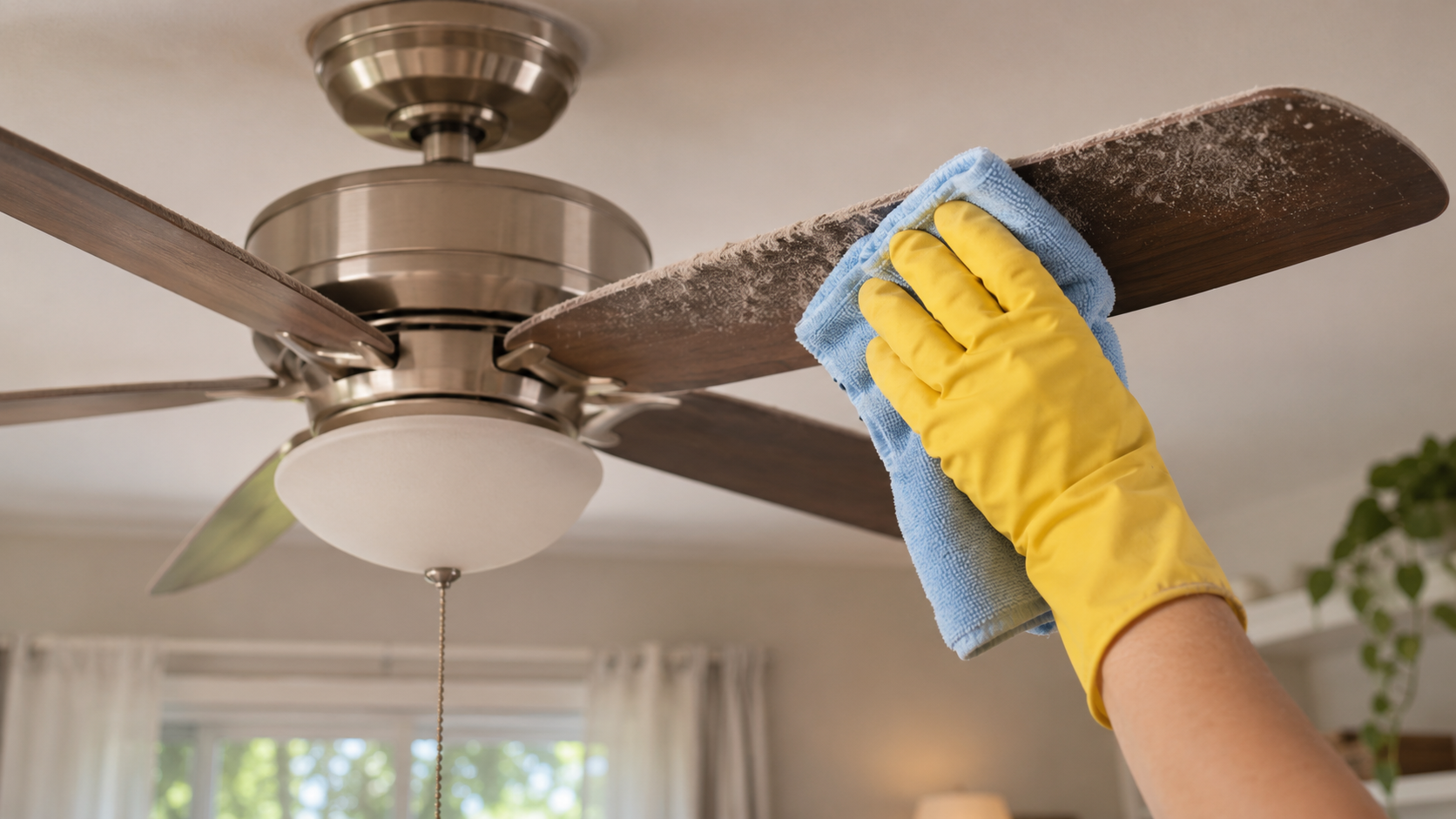
Some dust is unavoidable, but heavy accumulation returning within a day or two deserves attention.
Look beyond shelves and tables. Dust collects on ceiling fan blades, vents, baseboards, blinds, door frames, light fixtures, and the tops of cabinets. When these areas are ignored for long periods, normal air movement can continually redistribute particles around the room.
HVAC filters should also be checked according to the manufacturer’s recommendations. A clogged filter can affect airflow and allow more dust to remain in the living environment.
If the problem involves several rooms and you cannot catch up with routine maintenance, booking a professional house cleaning service for a detailed clean can help reset areas that are difficult to cover during ordinary weekly cleaning.
Persistent Odors Remain After Cleaning
A room should not continue smelling musty, stale, or sour after visible dirt has been removed.
Odors can become trapped in carpet padding, upholstery, curtains, mattresses, garbage areas, and other porous materials. Pet accidents are particularly difficult because liquid may travel below the carpet surface into the backing or subfloor.
Do not try to solve a persistent odor simply by spraying fragrance over it. Identify the source first.
Carpets may require extraction cleaning, while upholstery should be treated according to its care label. If the smell is associated with dampness or a recurring leak, address the moisture before attempting further cosmetic cleaning.
Grease Has Built Up Beyond the Kitchen Counter
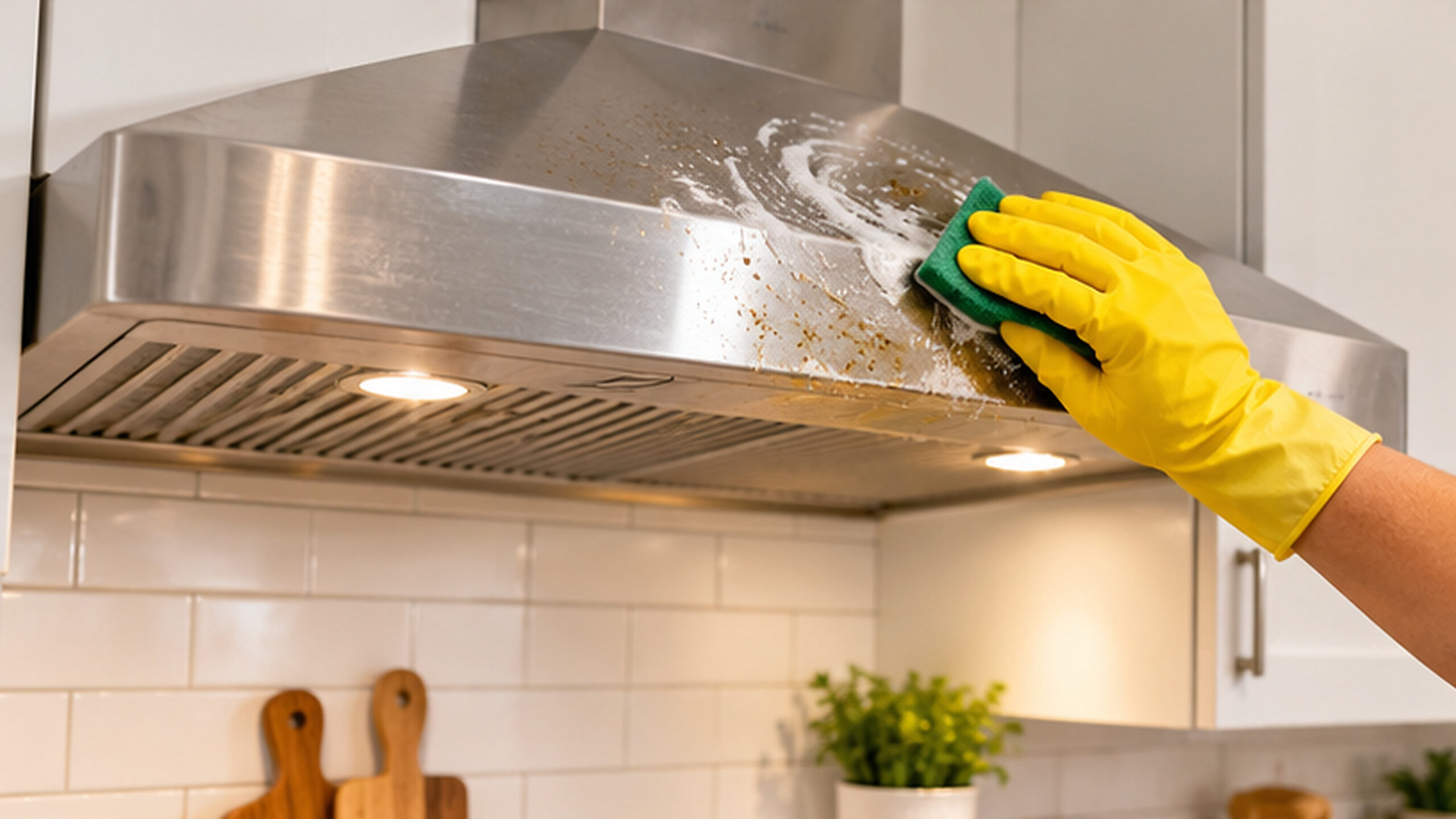
Cooking residue does not stay close to the stove. Fine grease particles can settle on cabinet fronts, range hoods, backsplash edges, walls, light fixtures, and nearby appliances.
Over time, dust sticks to the residue and forms a film that ordinary dry dusting will not remove.
Deep cleaning a kitchen usually means working from high surfaces downward. Degrease the range hood and surrounding cabinetry first, then move to appliances, backsplash surfaces, countertops, and floors.
Use cleaners appropriate for the material. Natural stone, painted cabinets, stainless steel, and laminate surfaces may require different products and techniques.
Bathrooms Develop Stubborn Mineral and Soap Buildup
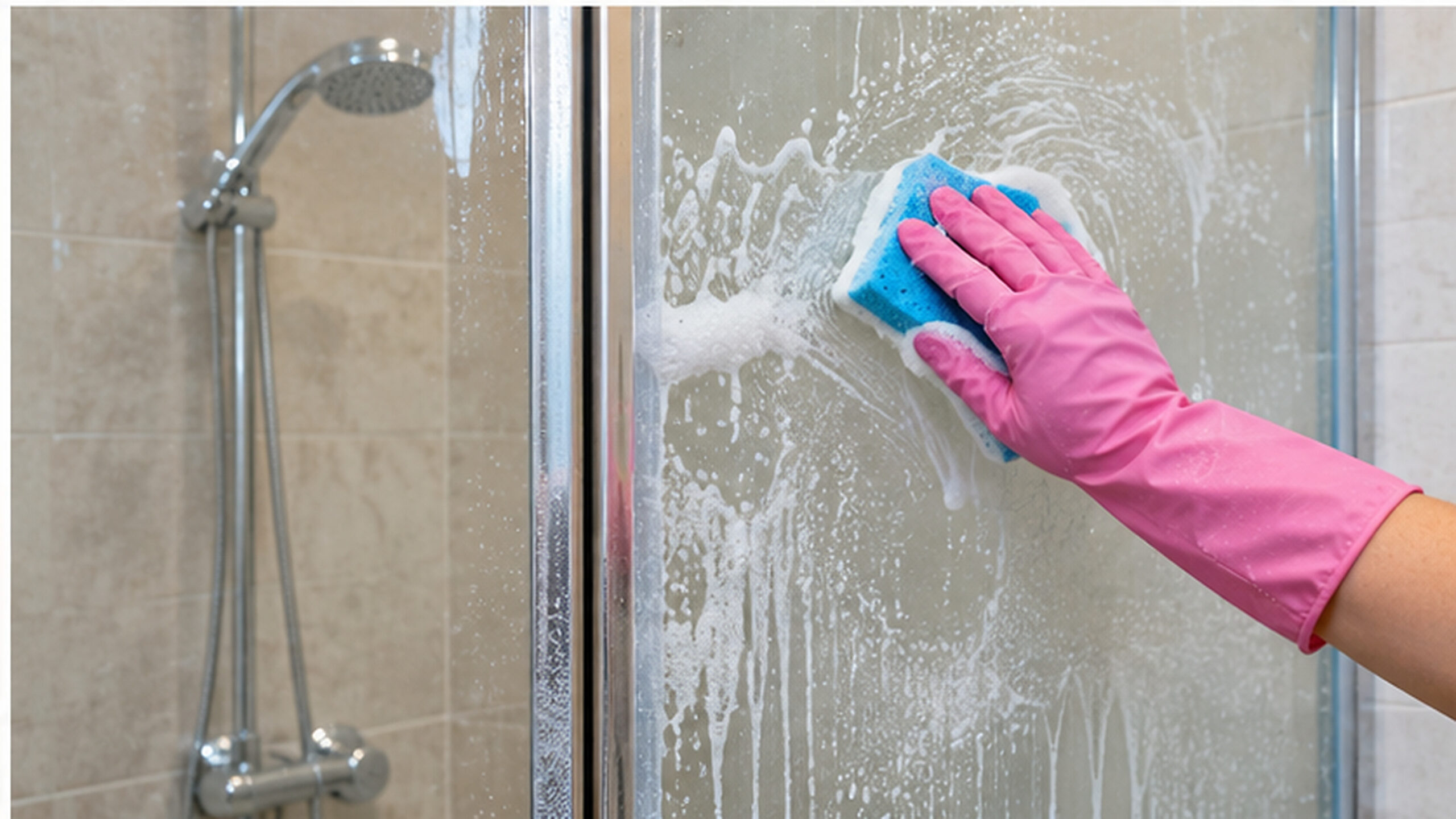
Daily wiping can control light bathroom residue, but accumulated soap scum and hard-water deposits need more deliberate treatment.
Look around shower doors, faucets, tile edges, grout, and the base of fixtures. White or chalky residue commonly indicates minerals left behind as water evaporates.
Before using acidic products on mineral deposits, confirm that the surface can tolerate them. Some natural stone materials can be damaged by acidic cleaners.
Grout should also be inspected rather than simply scrubbed repeatedly. Cracked or missing grout and caulk may allow water to reach areas where cleaning alone will not solve the problem.
Musty Areas Keep Coming Back
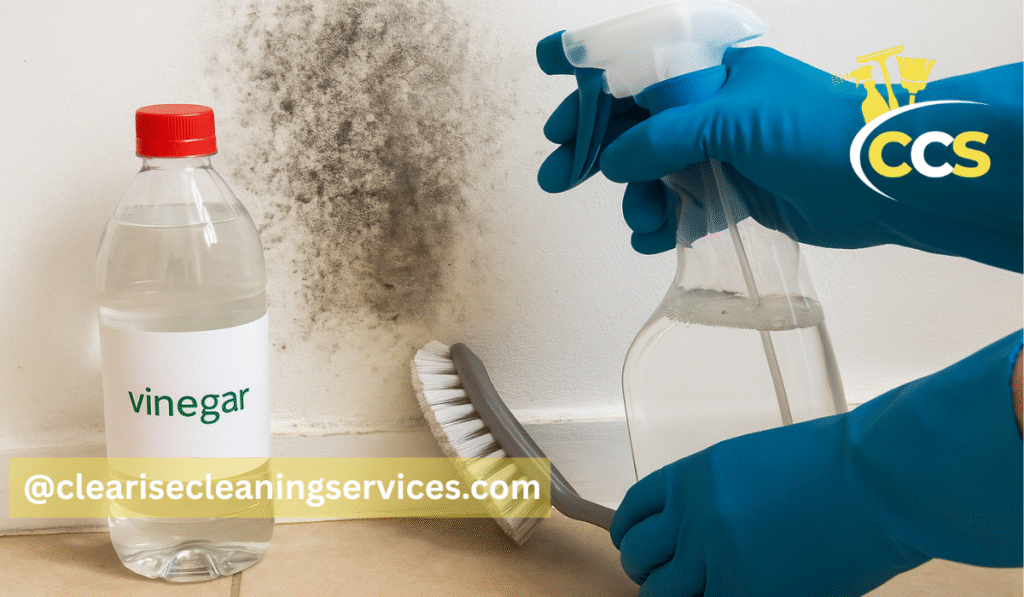
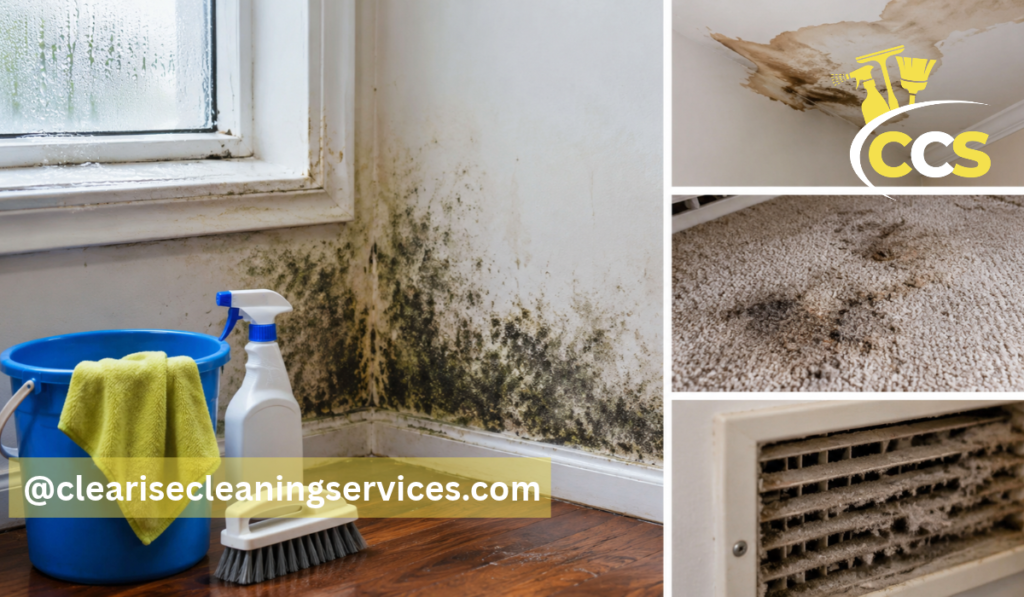
A recurring musty smell, discoloration, or visible mold is a sign that the issue may extend beyond routine housekeeping.
Check under sinks, around windows, behind toilets, near water heaters, around basement walls, and anywhere a previous leak occurred.
The U.S. Environmental Protection Agency explains that indoor mold growth requires moisture and advises homeowners to both clean up the mold and correct the underlying water problem. Its guidance on mold and moisture warns that mold is likely to return when the moisture source remains.
That means repeatedly wiping the same patch without investigating a leak, condensation problem, or humidity issue is unlikely to provide a lasting solution.
Floors No Longer Respond to Normal Cleaning
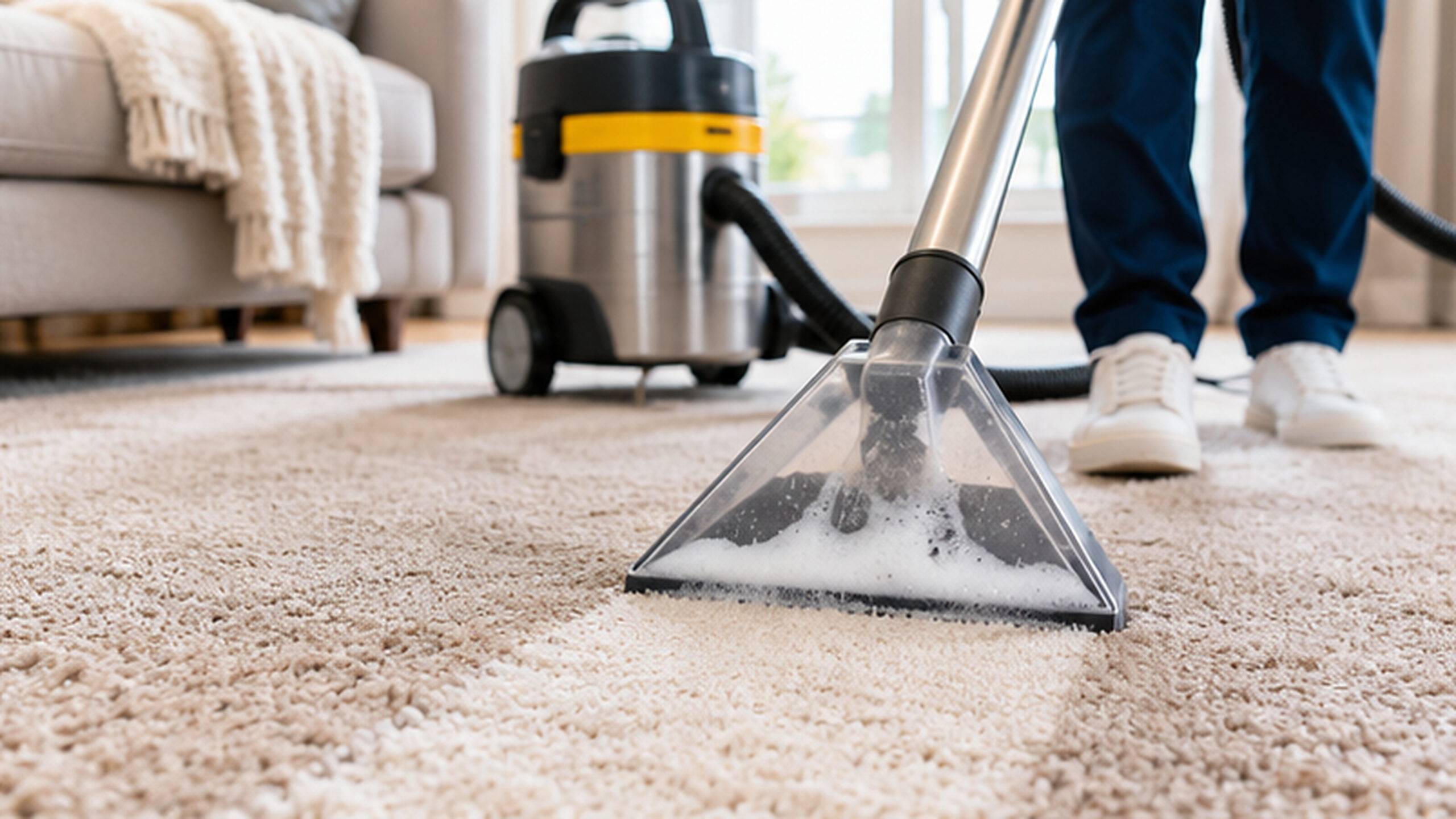
Floors gradually accumulate material that ordinary vacuuming or light mopping may leave behind.
Carpet can hold embedded soil below the visible fibers. Tile grout may darken, while textured flooring can trap dirt in low areas. Hardwood can develop residue from excessive cleaning products.
Before increasing the strength of the cleaner, determine what type of buildup is present.
Carpet may benefit from periodic deep extraction, while hard surfaces may need a manufacturer-approved deep-cleaning process. Using too much detergent can actually create another problem because leftover residue attracts additional dirt.
Furniture and Hidden Areas Have Been Ignored
If you cannot remember the last time you cleaned behind the sofa or beneath major furniture, those areas are probably due for attention.
Move accessible furniture and inspect:
- Under beds and sofas
- Behind entertainment units
- Beneath removable cushions
- Along baseboards
- Under movable appliances
- Around heating vents
These locations collect hair, crumbs, dust, small objects, and sometimes evidence of pests.
A deep clean is also a good opportunity to vacuum upholstered furniture and check manufacturer instructions for removable covers or spot treatments.
Surfaces Are Showing Repeated Stains and Water Marks
Sometimes the problem is not how often a surface is cleaned but what keeps happening between cleanings.
Dining tables, desks, coffee tables, and side tables commonly develop rings and moisture marks from cups and glasses. Once the surface has been restored, prevention can reduce the need for repeated stain removal.
Simple items such as cork coasters can create a barrier between drinkware and furniture while absorbing small amounts of condensation.
The same principle applies throughout the home. Use mats at entrances, trays beneath frequently used toiletries, and washable liners in areas where spills happen regularly. Preventing buildup is usually easier than repeatedly removing it.
High-Touch Areas Look Fine but Have Not Been Cleaned Properly
Some of the most frequently handled surfaces are easy to overlook because they do not always appear visibly dirty.
Door handles, light switches, cabinet pulls, refrigerator handles, remotes, and stair rails are touched repeatedly throughout the day.
The CDC recommends cleaning high-touch surfaces regularly and cleaning other household surfaces when visibly dirty or as needed. It also notes that cleaning with soap or detergent removes dirt and most harmful germs in typical household situations.
Add these areas to a deeper cleaning checklist rather than assuming general room cleaning automatically covers them.
Know When the Home Needs a Reset
A regular routine is designed to maintain a reasonably clean home. It is much less effective at reversing months of accumulated grease, embedded carpet soil, mineral deposits, hidden dust, or neglected surfaces.
Watch for problems that return quickly after ordinary cleaning. Persistent odors, recurring moisture, heavy buildup, and areas that have not been reached for months are strong indicators that a deeper clean is needed.
Once those underlying areas have been addressed, regular vacuuming, wiping, and mopping become much easier to maintain. The goal of deep cleaning is not to make the home temporarily perfect. It is to bring neglected areas back to a condition where a normal routine can keep up again.
Thanks for visiting Clearise Cleaning Services! Discover more helpful tips and expert cleaning insights by exploring our related categories.