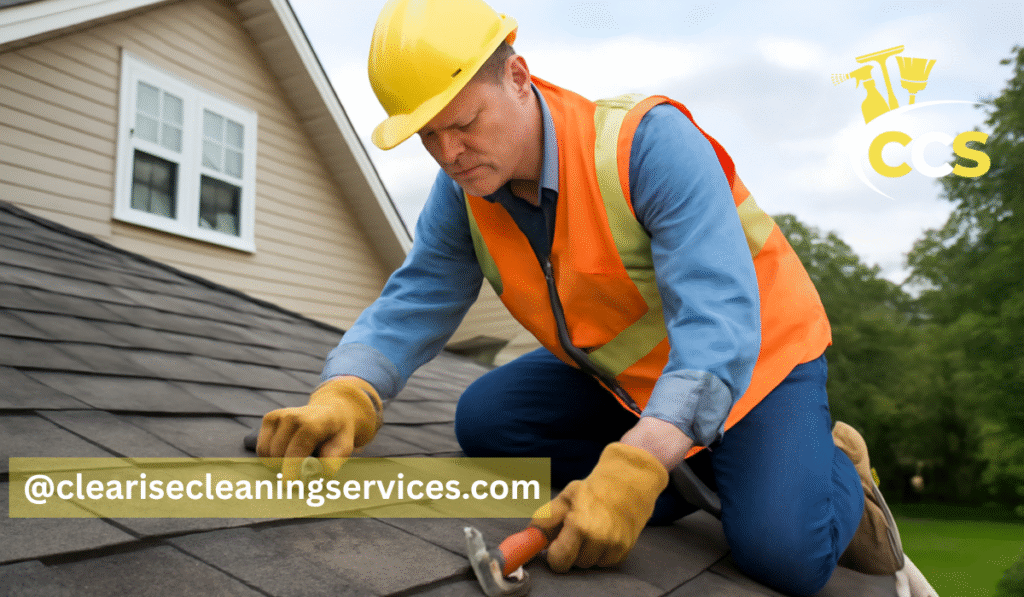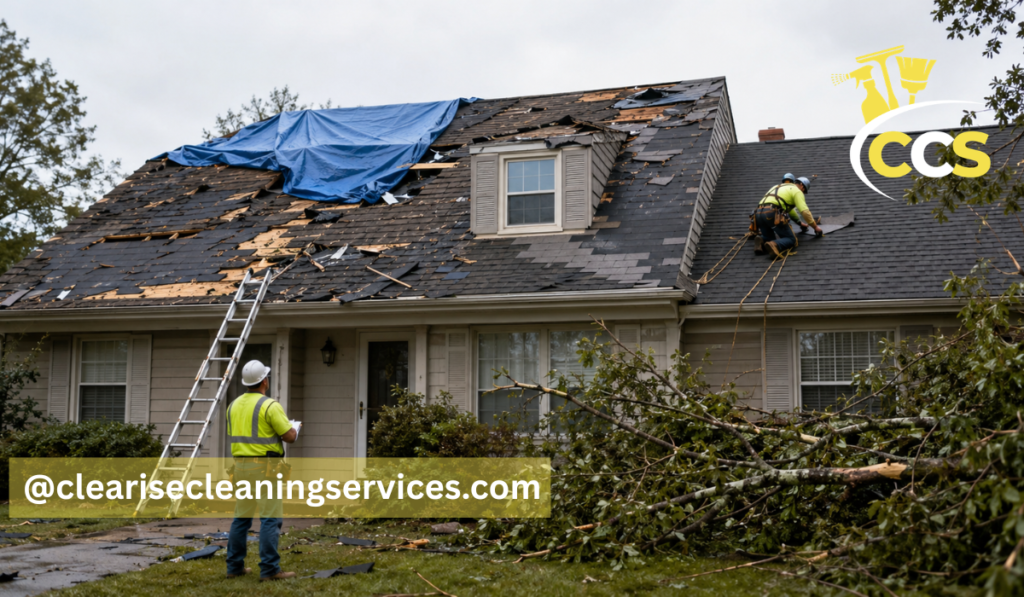
A storm damage roof replacement may become necessary when wind, hail, falling trees, or flying debris damages a roof beyond safe repair. After a severe storm, homeowners often feel pressure to act quickly. However, the first steps should focus on personal safety, preventing further water damage, documenting the loss, and arranging a professional inspection.
Not every damaged roof needs complete replacement. A few missing shingles or a small flashing problem may be repairable. Widespread damage, weakened decking, repeated leaks, or major structural impact may make replacement the safer long-term choice.
The final decision depends on the roof’s age, the amount and location of damage, available materials, local building codes, repair costs, and the terms of the homeowners insurance policy.
Quick Guide: Repair or Full Roof Replacement?
| Factor | Minor Roof Repair May Work | Full Replacement May Be Needed |
| Damage extent | Damage affects one small, isolated area | Damage appears across several slopes or large roof sections |
| Shingle condition | A few shingles are missing or loose | Many shingles are missing, cracked, lifted, or badly bruised |
| Roof decking | Decking is dry, solid, and stable | Decking is sagging, rotten, soft, or water-damaged |
| Roof age | Roof is newer and otherwise in good condition | Roof is old, brittle, and already near the end of its useful life |
| Leaks | One small leak has a clear repairable source | Several leaks or widespread moisture damage are present |
| Structural damage | No damage to rafters or roof supports | Tree impact or storm force has weakened structural components |
| Material matching | Matching replacement materials are available | Existing materials are discontinued or cannot be matched properly |
| Repair history | Roof has had few or no previous repairs | Roof has needed repeated repairs in several areas |
| Code requirements | The damaged section can be repaired legally | Local codes require broader replacement or safety upgrades |
| Long-term value | Repair can restore reliable protection | Continued repairs may cost more without solving the main problem |
Step-by-Step Guide After Storm Roof Damage
- Put safety first: Stay off the roof and keep people and pets away from unstable areas, fallen branches, and power lines.
- Check from the ground: Look for missing shingles, broken gutters, bent flashing, debris impacts, and visible roof openings.
- Inspect the interior: Check ceilings and attic spaces for leaks, wet insulation, sagging wood, stains, or daylight entering through the roof deck.
- Document the damage: Take clear photographs and videos of exterior damage, interior water marks, damaged belongings, and temporary emergency work.
- Prevent further damage: Move valuables, place containers beneath leaks, and arrange professional emergency tarping when the roof is unsafe to access.
- Review your insurance policy: Check deductibles, wind and hail coverage, roof exclusions, depreciation rules, and claim-reporting deadlines.
- File the claim promptly: Give the insurer the correct storm date, request a claim number, and ask what documents must be submitted.
- Arrange a professional inspection: Hire a qualified local roofing contractor to identify visible and hidden damage and prepare an itemized estimate.
- Compare repair and replacement options: Consider damage severity, roof age, decking condition, local codes, material availability, warranties, and long-term cost.
- Review the contract carefully: Confirm materials, payment terms, permits, warranties, cleanup, hidden-damage charges, and the complete scope before signing.
A well-maintained roof and gutter system plays an important role in protecting a property from water damage and severe weather conditions. Regular inspections, timely repairs, and proper maintenance can help extend the life of roofing systems and prevent costly issues in the future. Homeowners in Metro Atlanta can rely on Classic Roofing & Gutters for professional roofing and gutter solutions that help keep properties protected year-round.
Immediate Steps to Take After a Storm Damages Your Roof
Keep family members and pets away from any part of the property that appears unstable. Do not climb onto the roof. Wet shingles, loose materials, broken tree limbs, and hidden structural damage can make roof access extremely dangerous.
Inspect the home only from a safe location on the ground. Look for missing shingles, damaged gutters, bent flashing, roof openings, fallen branches, and debris around the property. Stay clear of fallen power lines and contact emergency services or the utility provider if electrical wires are involved.
Inside the home, check ceilings, upper walls, and attic spaces for moisture. Use a flashlight rather than exposed electrical lighting if water is nearby. Warning signs include dripping water, wet insulation, sagging wood, dark stains, or daylight visible through the roof deck.
When the damage creates an immediate danger, such as a collapsed roof section or a tree resting on the house, leave the affected area and contact emergency professionals.
Common Signs That Storm Damage May Require Roof Replacement
Some damage is easy to see, while other problems remain beneath the surface. Large sections of missing or lifted shingles are strong signs that the roof may no longer provide reliable protection.
Hail may bruise, crack, or remove the protective granules from asphalt shingles. Wind can loosen shingles without completely removing them, allowing water to enter later. Bent flashing, damaged ridge caps, and punctures from branches can also create hidden openings.
A full replacement may be considered when the roof has several active leaks, widespread shingle damage, weakened decking, or water damage across multiple rooms. Sagging roof areas, rotting wood, damaged rafters, or structural movement after a tree impact require immediate professional evaluation.
Damage that cannot be repaired without disturbing large surrounding areas may also make replacement more practical than repeated patchwork.
Repair or Replacement: How the Right Decision Is Made
There is no single percentage that automatically decides whether a roof must be replaced. The commonly mentioned 25% to 30% damage guideline may be relevant in some situations, but it is not a universal insurance or building-code rule.
A roofing contractor should consider how much of the roof is affected, where the damage is located, and whether the roof deck remains sound. Damage spread across several slopes may be more serious than a similar amount limited to one small area.
The age and repair history of the roof also matter. A newer roof with isolated damage may be repaired successfully. An older roof with brittle shingles, repeated leaks, and several previous repairs may not hold new materials securely.
Matching can also affect the decision. If the original shingles are discontinued, a small repaired section may not match the rest of the roof. Local rules, policy language, and manufacturer installation instructions may influence whether partial repair is acceptable.
How Roof Age Affects a Storm Damage Replacement Decision
Roofing materials do not all age at the same rate. Asphalt shingles generally have a shorter expected life than many metal, tile, or slate systems, although actual performance depends on product quality, installation, climate, ventilation, and maintenance.
Older roofing materials can become brittle and more vulnerable to wind lifting, cracking, or hail impact. This does not mean every older roof must be replaced after a storm. It means the existing condition must be separated from the new storm damage.
Insurance companies may review maintenance records, installation dates, previous claims, inspection reports, and photographs. These documents can help show the roof’s condition before the storm.
Age may also affect how the claim is paid. Some policies pay replacement cost, while others reduce the payment because of depreciation. Homeowners should review their policy before assuming that the insurer will pay the entire replacement amount.
Will Insurance Cover a 20-Year-Old Roof?
Insurance may cover storm damage to a 20-year-old roof, but coverage is not guaranteed. The cause of the damage, policy wording, roof condition, deductible, exclusions, and payment method all affect the result.
The insurer will usually try to separate sudden storm damage from gradual deterioration. Wind-created openings, fallen tree impacts, or hail damage may qualify under a covered event. Cracking caused by age, long-term leaks, poor maintenance, rot, or improper installation may be excluded.
Replacement cost coverage generally aims to pay the reasonable cost of replacing covered damage, subject to policy limits and the deductible. Actual cash value coverage subtracts depreciation based on factors such as age and condition. Some policies use roof payment schedules that reduce benefits as the roof gets older.
Cosmetic damage exclusions may also limit coverage when dents or marks do not affect the roof’s function. Every policy is different, so homeowners should read the roof-related endorsements and ask the insurer for a written explanation of the settlement.
Wind Damage to Roof Insurance Coverage
Standard homeowners policies often cover sudden wind damage, but important exceptions may apply. In some coastal areas, windstorm coverage may involve a separate policy or a percentage-based deductible.
Covered wind damage may include missing shingles, creased shingles, loosened roofing, damaged flashing, fallen branches, and openings caused by flying debris. Interior water damage may also be covered when rain enters through a storm-created opening.
Normal wear, old leaks, neglected maintenance, and gradual water intrusion are usually treated differently from sudden storm damage. This is why the exact storm date and clear documentation are important.
Weather reports, dated photographs, contractor findings, and nearby damage can help support the claim. However, a contractor cannot promise that an insurer will approve coverage.
Documenting Roof Damage Before Filing a Claim
Good documentation helps create a clear record of what happened. Take wide photographs of the property and closer images of visible damage from safe ground-level locations. Photograph missing shingles, damaged gutters, debris impacts, bent flashing, broken windows, siding damage, and fallen branches.
Inside the home, document water stains, wet insulation, damaged ceilings, flooring, furniture, and personal belongings. Record the storm date, approximate time, weather conditions, and when leaks first appeared.
Save emergency repair receipts, weather alerts, contractor reports, estimates, emails, and claim documents. A simple written timeline can prevent confusion later.
Do not throw away damaged materials before the insurer has had an opportunity to inspect them, unless removal is necessary for health or safety. When items must be removed, photograph them first and ask whether samples should be saved.
Storm Damage Roof Insurance Claim Process
Begin by reviewing the policy for wind and hail coverage, exclusions, deductibles, claim deadlines, and roof-specific endorsements. Then contact the insurer promptly and provide the exact storm date and a basic description of the damage.
Write down the claim number and ask what evidence the company needs. An adjuster will usually inspect the property and prepare a damage estimate. It may be helpful to have a qualified roofing contractor present so the contractor can point out damaged areas and discuss the proposed scope.
Compare the contractor’s itemized estimate with the adjuster’s report. Differences may involve roof measurements, decking, flashing, ventilation, disposal, permits, or code-required work. Ask for written clarification when important items appear to be missing.
Keep communication factual and organized. Understand whether depreciation is recoverable, how supplemental requests are handled, and what proof is required for the final payment.
Preventing Further Damage While the Claim Is Reviewed
Most insurance policies require homeowners to take reasonable steps to prevent additional damage. Place containers beneath active leaks and move furniture, electronics, and valuable items away from wet areas.
Use plastic sheeting indoors to protect floors and walls. Wet materials should be dried quickly when it is safe to do so, because trapped moisture can lead to mold and additional damage.
Do not attempt to install a roof tarp if the roof is steep, wet, unstable, or covered with debris. Hire an emergency roofing service when safe access is not possible. Save every receipt for tarping, water removal, temporary boarding, and other emergency work.
Temporary repairs should protect the property without hiding the original damage. Avoid unnecessary permanent work until the insurer has completed its inspection, unless waiting would create a greater safety risk.
What a Professional Roof Damage Inspection Should Include
A complete inspection should examine more than the visible shingles. The contractor should check for lifting, creasing, hail impacts, damaged seal strips, missing ridge caps, and broken roofing materials.
Flashing around chimneys, valleys, walls, skylights, vents, and other roof openings should also be inspected. Gutters, downspouts, drip edges, ventilation parts, and roof penetrations can reveal impact or wind damage.
Inside the attic, the inspector should look for moisture, wet insulation, poor ventilation, damaged decking, and weakened structural supports. Ceilings and walls should be checked for water stains or movement.
The final report should contain photographs, clear findings, and an itemized recommendation. It should also identify pre-existing wear separately from storm-related damage and note any work required by local building codes.
Storm Damage Roof Replacement Cost
The storm damage roof replacement cost can vary greatly from one property to another. Roof size is one of the largest factors, but material, slope, height, access, and design complexity also affect pricing.
Removing several layers costs more than removing one layer. Rotten decking, damaged rafters, and hidden water damage can increase the final total. Flashing, ventilation, underlayment, waterproof barriers, chimneys, skylights, valleys, permits, and disposal should also be included.
Local labor rates and material availability can change after a major storm because many properties may need work at the same time. Emergency tarping and water removal may be charged separately.
Insurance does not always remove every out-of-pocket expense. The homeowner may still be responsible for the deductible, non-covered upgrades, depreciation under an actual cash value policy, and work unrelated to the storm.
For this reason, a detailed local estimate is more useful than a broad national average.
Roof Damage Repair Cost Compared With Full Replacement
A small repair usually costs less than full replacement in the short term. Replacing a limited number of shingles, repairing flashing, sealing a small opening, or fixing one damaged vent may be reasonable when the surrounding roof remains healthy.
Costs rise when repairs require matching discontinued materials, replacing damaged decking, restoring interior finishes, or opening a larger roof section. An inexpensive surface repair may not solve moisture trapped below the roofing.
The lowest initial roof damage repair cost is not always the best long-term value. Repeated repairs on an aging roof can become expensive and may still leave the home vulnerable.
Compare each estimate carefully. Review the exact work, materials, warranties, exclusions, decking allowances, permit costs, and cleanup responsibilities before choosing repair or replacement.
Selecting Materials for a Storm-Damaged Roof Replacement
Asphalt shingles remain common because they are widely available and offered in many price ranges. Impact-resistant shingles may provide better hail performance, but product quality varies.
Metal roofing can offer durability and strong wind resistance when properly designed and installed. Tile and slate can last for many years, but they are heavy and may crack from impact. Wood shakes provide a distinct appearance but require more maintenance and may face local fire restrictions.
Choose materials based on local weather, roof structure, maintenance needs, wind ratings, impact performance, fire resistance, warranty terms, and total ownership cost.
Ask the insurer whether approved impact-resistant or fortified roofing products qualify for a discount. A discount is not automatic and may depend on the product, installation, location, and insurer.
Local Building Codes and Roof Replacement Requirements
A complete replacement usually requires a permit and local inspection. Building rules may control the number of roof layers, underlayment, flashing, roof decking, ventilation, fastening, and protection against water or wind.
Requirements differ by state, county, and city. Some areas have stronger wind-uplift standards, while colder regions may require added ice and water protection.
Code upgrades can increase the project cost. Ordinance or law coverage may help pay for required upgrades when an older roof must be rebuilt to current standards, but only when that coverage is included in the policy.
Ask the contractor who will obtain the permit and schedule inspections. Do not assume that insurance approval replaces local permit requirements.
Finding Storm Damage Roof Replacement Near Me
When searching for storm damage roof replacement near me, focus on established local companies rather than the first contractor who arrives after the storm.
Verify the business address, licensing requirements, liability insurance, and workers’ compensation coverage. Read recent reviews from more than one source and ask for local references.
Request a written estimate that explains materials, labor, removal, decking, flashing, permits, ventilation, cleanup, warranties, payment terms, and the expected schedule.
Do not select a contractor only because the price is low. A missing item in one estimate can make it appear cheaper while increasing the final bill later.
Questions to Ask a Roofing Contractor Before Signing
Before approving the work, ask:
- Are you properly licensed and insured?
- Who will supervise the installation?
- What damage requires replacement rather than repair?
- Does the price include decking, flashing, ventilation, permits, and disposal?
- How will hidden damage and change orders be handled?
- What materials will be installed?
- What workmanship and manufacturer warranties apply?
- What payment schedule is required?
- How will the property be protected and cleaned?
- Who will arrange the final inspection?
Clear answers should appear in the written contract, not only in conversation.
Storm-Chaser and Roofing Scam Warning Signs
Be cautious of contractors who use pressure, promise guaranteed insurance approval, or ask homeowners to exaggerate damage. Avoid anyone offering to waive, absorb, or secretly reimburse the insurance deductible.
Other warning signs include demands for full payment before materials arrive, cash-only terms, vague contracts, missing insurance documents, no permanent local address, and refusal to provide references.
Read assignment-of-benefits documents carefully. Signing one may transfer important control over the claim or insurance payment to another party.
Never sign blank forms or a contract you do not understand.
Understanding the Roof Replacement Contract
The contract should identify the contractor and homeowner, job address, material brand, product style, color, removal work, underlayment, flashing, ventilation, accessories, and decking charges.
It should also explain permits, inspections, cleanup, property protection, start dates, payment stages, warranties, cancellation rights, change orders, and dispute procedures.
Insurance contingency wording should be clear. The contract should not force the homeowner into work that has not been approved or fully explained.
Review the document before signing and keep a complete copy.
What Happens During a Storm Damage Roof Replacement
Materials are usually delivered before work begins. The contractor should protect siding, windows, landscaping, driveways, and outdoor equipment.
The old roofing is removed so the deck can be inspected. Rotten or weakened wood is replaced before underlayment, waterproofing, flashing, vents, and the new roofing material are installed.
After installation, the crew should remove debris and use magnetic tools to collect loose nails. The contractor should complete a quality check, arrange required inspections, and conduct a final walkthrough with the homeowner.
Completion documents and final invoices may then be submitted to the insurer.
Managing Insurance Payments and Contractor Billing
The first insurance payment may represent the actual cash value of the covered damage after the deductible. Under some replacement cost policies, withheld depreciation may be released after the work is completed and documented.
A mortgage company may be listed on the check and may require inspections before releasing funds. Hidden damage or code-related work may require a supplemental estimate.
Do not pay the full contract amount before the work is complete and verified. Use the payment schedule in the contract and request invoices, receipts, completion records, warranty documents, and lien waivers where appropriate.
Protecting the New Roof After Replacement
Keep contracts, photographs, permits, warranties, invoices, and product information in one safe place. These records may help with future maintenance, warranty service, resale, or insurance claims.
Keep gutters clear and trim branches that could strike the roof. Maintain proper attic ventilation and insulation, and address small leaks quickly.
Arrange inspections after major storms and follow the manufacturer’s maintenance instructions. Review the insurance policy after installation, especially when the new roof uses impact-resistant or upgraded materials.
Common Storm Damage Roof Replacement Mistakes
Common mistakes include climbing onto an unsafe roof, delaying temporary protection, failing to take photographs, discarding damaged materials too early, and assuming every loss is covered.
Homeowners may also sign vague contracts, choose unlicensed contractors, ignore attic damage, accept the first estimate without comparing the work, or focus only on visible shingles.
Missing claim deadlines, misunderstanding depreciation, and paying the full amount before completion can also create financial problems.
Careful records and professional advice can prevent many of these issues.
Conclusion
A storm damage roof replacement should begin with safety, clear documentation, temporary protection, and prompt claim reporting. The decision to repair or replace depends on the severity of the storm damage, roof age, structural condition, available materials, local building rules, and insurance terms.
Compare the contractor’s inspection with the insurance estimate and ask questions about anything that is missing or unclear. Choose a qualified local contractor, verify credentials, and review the contract before work begins.
The goal is not simply to replace visible shingles. It is to restore a safe, durable, weather-resistant, and code-compliant roofing system that protects the home for years to come.
Frequently Asked Questions
Does Homeowners Insurance Cover Storm Damage Roof Replacement?
Homeowners insurance may cover sudden damage from wind, hail, falling trees, or debris. Coverage depends on the policy, deductible, exclusions, roof condition, and whether the damage resulted from a covered event.
How Do I Know Whether My Storm-damaged Roof Needs Replacement?
Replacement may be necessary when damage is widespread, several areas are leaking, roof decking is weakened, structural supports are affected, or safe repairs cannot restore reliable protection.
Will Insurance Cover A 20-year-old Roof?
Insurance may cover new storm damage to a 20-year-old roof, but depreciation, roof-payment schedules, maintenance issues, actual cash value coverage, and policy exclusions can reduce the final payment.
How Much Does Storm Damage Roof Replacement Cost?
Cost depends on roof size, material, slope, labor, accessibility, decking damage, permits, ventilation, flashing, disposal, and local prices. An itemized local estimate provides a more reliable figure than a national average.
Should I Sign A Roofing Contract Before Insurance Approval?
Avoid signing a long-term or unclear agreement before understanding the claim decision and full project cost. First review the contractor’s scope, insurance estimate, payment terms, cancellation rights, and deductible responsibility.
Disclaimer: This article is provided for general informational purposes only. It does not offer legal, insurance, financial, engineering, or professional roofing advice. Insurance coverage, building codes, contractor licensing rules, costs, and claim procedures vary by policy and location. Homeowners should consult their insurance provider, local building department, and a licensed roofing professional before making repair, replacement, or claim decisions. Never climb onto a damaged or unstable roof.
Thanks for visiting Clearise Cleaning Services! Discover more helpful tips and expert cleaning insights by exploring our related categories.