Duct tape has a reputation as the answer to everything. Torn tent, broken bumper, leaking hose, wobbly chair. Wrap it in tape and move on. Some of those are genuinely good uses. Others are a fix that buys a few days before the real problem returns, sometimes worse.
Knowing which is which helps you use duct tape where it shines and avoid it where it doesn’t.
What Makes Duct Tape Useful
Duct tape combines a fabric reinforcement layer, a waterproof plastic backing and a strong adhesive. That mix gives it strength, flexibility and some weather resistance. You can tear it by hand, it grips lots of surfaces, and it conforms to awkward shapes.
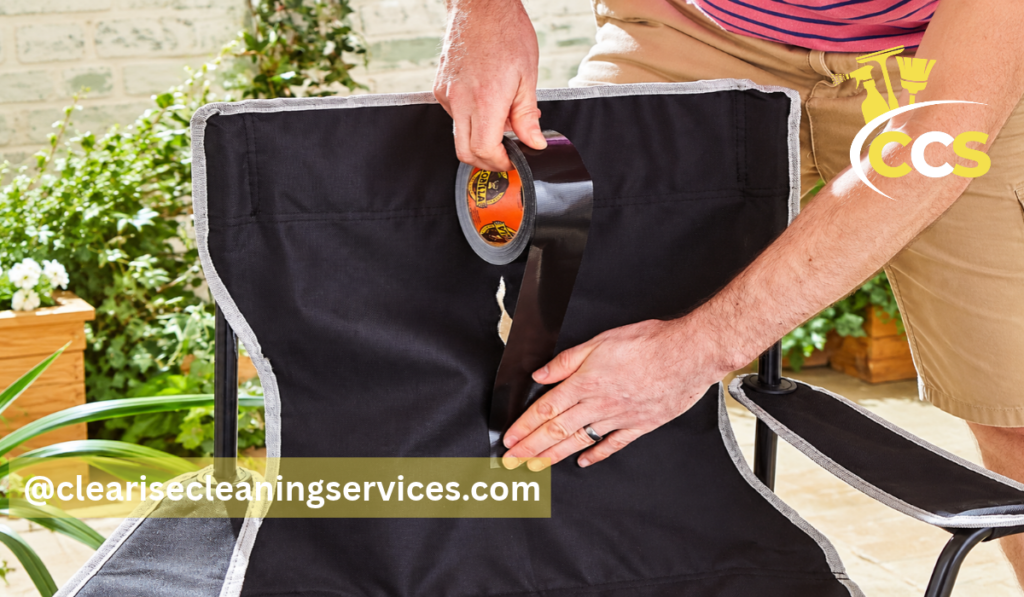
Not all duct tapes are equal. A heavy-duty duct tape like Gorilla Tape Black has a double-thick adhesive compared with standard branded duct tape, a reinforced backing and a weather-resistant shell. That extra adhesive helps on rough and uneven surfaces, where thinner tapes lift at the edges.
Width and length come into it as well. Gorilla Tape Black comes in rolls of several lengths, so a short roll suits a glovebox or camping kit while a longer roll makes sense in a busy garage.
Where Duct Tape Is a Real Solution
Some jobs are exactly what duct tape is made for. Bundling and securing items: tying down tarps, bundling garden stakes, wrapping loose cords together for storage. Reinforcing things that take wear, like the edges of a wheelie bin lid or the handle of an old shovel. Protecting surfaces during work, such as wrapping the jaws of a clamp or covering a sharp edge.
It also works as a clamp. Gorilla suggests using Gorilla Tape to hold parts together while its Original glue cures, which is a handy trick for awkward shapes where clamps won’t fit.
For these jobs, tape isn’t a stopgap. It’s the right tool.
Where It’s a Good Temporary Fix
Duct tape earns its reputation in emergencies. A split tent fly in the middle of a camping trip. A cracked plastic trim panel on the car until the part arrives. A torn backpack strap on a hike. A cracked bucket you need for one more afternoon.
In each case, tape gets you through until a proper repair. The trouble starts when the temporary fix becomes permanent. Tape on a cracked panel hides the crack while it grows, and adhesive left in the sun for months can turn gummy and hard to remove.
A good rule is to set a deadline. When you tape something as a stopgap, decide when the real repair will happen, whether that’s ordering a part, booking a tradesperson or simply buying a replacement. Tape with no deadline tends to stay on for years.
Where Duct Tape Shouldn’t Be Used
Electrical repairs are the most important exception. Gorilla is clear that its tape should not be used as electrical tape. Damaged cables need replacing or repair by a licensed electrician, and insulating tape is a different product made for low-voltage tasks.
Heat is another limit. Gorilla Tape holds between 0°C and 65.5°C once applied, so it doesn’t belong on exhausts, engines, heater ducts or anything that gets hot.
Plumbing under pressure is a poor match for ordinary duct tape. A pressurised pipe pushes water past the adhesive, and a slow leak behind a wall causes far more damage than the original drip. Waterproof patch tapes exist for emergency leaks, but a plumber is the long-term answer.
Some materials resist it. Gorilla Tape sticks to most plastics, including polyethylene and polypropylene, but doesn’t work on materials with high oil or plasticiser content like EPDM rubber or PVC. Many garden hoses are PVC, which is why taping a split hose rarely holds.
Getting the Most Out of a Duct Tape Fix
Preparation makes a big difference. Surfaces should be clean, dry and free of dirt, grease and oil. Gorilla notes that isopropyl alcohol can be used to clean surfaces before taping. Apply at room temperature, then rub the tape firmly into the surface.
Run tape across the direction of the stress, not along it, and overlap each wrap by about half its width. For patching fabric or tarps, tape both sides so the adhesive sticks to itself through the tear.
Remove old tape before re-taping a repair. Fresh tape over aged, dusty tape bonds to the old layer rather than the surface, and the whole patch eventually lifts together.
Treat duct tape as what it is: a strong, flexible, all-purpose tape. Used on the right jobs, it’s a real repair. Used as a cover for a bigger problem, it’s just a delay.
Thanks for visiting Clearise Cleaning Services! Discover more helpful tips and expert cleaning insights by exploring our related categories.