Behind Desks, Cabinets, and Reception Counters
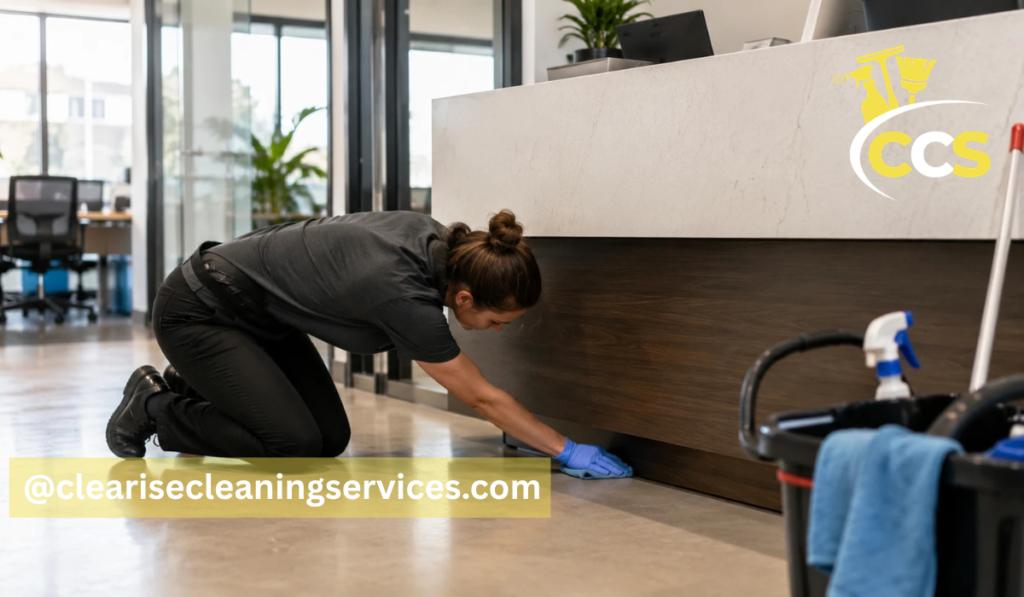
Most commercial cleaning routines focus on what people can see. Floors get vacuumed. Desks get wiped. Reception areas get polished.
Then there’s the space behind the filing cabinet.
Dust, loose paper, food crumbs, cable offcuts, and the odd missing pen can sit there for months. Because heavy furniture rarely moves, these areas become quiet collection points for everything that drifts, drops, or gets kicked out of sight.
That buildup isn’t just untidy. Airflow from fans and vents can send fine dust back into the room, which may affect indoor air quality and aggravate allergies. Crumbs can also attract pests, especially in offices where people eat at their desks.
Businesses arranging commercial cleaning Cremorne services should make sure periodic deep cleaning includes these hidden spaces. Cremorne has plenty of offices, retail premises, hospitality venues, and older commercial buildings where tight floor plans make access difficult. That’s exactly why the work needs to be scheduled rather than left until someone happens to notice a suspicious grey line behind the printer.
Air Vents, Grilles, and Ceiling Fixtures
Ever looked up at an air vent and immediately wished you hadn’t?
Dust gathers on ceiling grilles, exhaust fans, light fittings, pipes, beams, and sprinkler heads. Because these areas sit above eye level, they’re easy to ignore. The dirt still comes down eventually. Gravity is dependable like that.
Dirty vents may circulate dust, pollen, and other particles through the building whenever the heating or cooling system runs. Dark marks around a grille often signal that the area needs cleaning or that the HVAC system needs closer attention.
Outer vent covers should be dusted and wiped regularly. If airflow weakens, strange odors appear, or dust returns quickly, a qualified technician should inspect the system itself. Surface cleaning can’t fix a deeper ventilation problem.
Cabinet Tops and High Shelving
The tops of cupboards, lockers, shelving units, refrigerator cabinets, and office partitions often hold far more dirt than expected. From ground level, everything looks fine. Run a cloth across the surface and the story changes fast.
In offices, the buildup usually contains fine dust and fibers from the ventilation system. In commercial kitchens and break rooms, airborne grease can create a sticky film that traps even more grime. Leave it long enough and a quick wipe turns into a scrubbing job.
High-level cleaning should form part of a planned schedule. It also needs the right equipment. Balancing on a swivel chair with a feather duster isn’t resourceful. It’s paperwork waiting to happen.
Rooftops, Gutters, and Solar Panels
A commercial roof may sit outside the usual cleaning checklist, but it directly affects the building below. Leaves, dirt, bird droppings, and storm debris can block gutters and drains. Water then pools where it shouldn’t, increasing the risk of leaks, stains, corrosion, and surface damage.
Solar panels need attention too. Dust, salt residue, pollen, and bird mess can cover the panel surface and reduce the amount of sunlight reaching the cells. Property managers working with solar installers Illawarra providers should ask about cleaning and inspection needs that suit the region’s coastal air, industrial activity, and changing weather conditions.
This isn’t a job for an employee armed with a hose and misplaced confidence. Roof access involves fall risks, electrical equipment, fragile surfaces, and drainage points. Trained professionals should handle the work with the correct safety controls.
Under Kitchen and Break Room Appliances
The visible parts of a staff kitchen can sparkle while the area under the refrigerator tells a completely different story.
Crumbs, spilled milk, grease, coffee grounds, and bits of packaging gather beneath refrigerators, vending machines, dishwashers, microwaves, and coffee stations. Warmth and food residue make these spots attractive to ants, cockroaches, and rodents.
Small leaks can cause even bigger problems. Water may sit unnoticed beneath an appliance, damaging flooring or encouraging mold growth. That unexplained smell no amount of air freshener can hide? It may be coming from a spill that happened three months ago.
Appliances should be moved at planned intervals so the floor and wall areas can be cleaned properly. It also gives maintenance teams a chance to inspect hoses, seals, cords, and nearby plumbing. Cleaning and maintenance shouldn’t operate as strangers.
Door Tracks and Window Channels
Sliding doors, automatic entrances, and window tracks collect grit quickly. Shoes carry soil into entrance channels, while leaves, insects, dust, and rainwater settle into window frames.
When this debris builds up, doors and windows may become harder to open. Drainage holes can also clog, causing water to sit inside the frame. Over time, that moisture may lead to staining, corrosion, damaged seals, or mold.
A narrow brush, commercial vacuum, and damp cloth will usually handle routine buildup. It’s fiddly work, but it matters. Clean tracks improve movement, reduce wear, and stop that unpleasant crunching sound whenever the door opens.
Storage Rooms and Supply Closets
Storage rooms often become the unofficial dumping ground for things no one wants to deal with yet. Empty boxes. Old signage. Half-used cleaning products. Broken equipment that is apparently “still useful.”
Clutter makes proper cleaning almost impossible. It also hides pests, leaks, expired chemicals, damaged stock, and blocked safety equipment. Cardboard boxes sitting directly on the floor can absorb moisture before anyone notices a plumbing issue.
These spaces need regular decluttering, shelf cleaning, floor care, and inspections for damage. Clear walkways matter too. Staff should be able to reach supplies without climbing over six boxes and a forgotten Christmas display.
Elevator Edges and Stairwell Corners
Elevator tracks, door edges, control panels, handrail brackets, stair nosings, and landing corners collect dirt every day. They’re touched, stepped on, and brushed past constantly, yet they often receive only a quick surface clean.
Stairwells are especially easy to neglect. The floors may get swept, but walls, rails, light fittings, door frames, and awkward corners remain dusty. Because stairwells connect several floors, dirt can spread through the building quickly.
A proper commercial cleaning plan should cover both the obvious surfaces and the awkward details. The hidden areas may not impress visitors at first glance, but neglect them long enough and they’ll make themselves known.
Thanks for visiting Clearise Cleaning Services! Discover more helpful tips and expert cleaning insights by exploring our related categories.