A steam cleaner is a cleaning device that uses heated water to produce steam, which is then applied to surfaces to remove dirt, grease, and bacteria. Instead of relying on strong chemicals, it uses the power of high-temperature vapor to break down grime and sanitize surfaces naturally. This makes it a popular choice for households that want a safer and more eco-friendly way to clean.
In recent years, the c steam cleaner and similar models have become increasingly common in homes. People are looking for efficient tools that save time while still delivering deep cleaning results. Steam cleaning offers a simple solution by combining cleaning and sanitizing into one step.
The way a steam cleaner works is quite straightforward. Water inside the machine is heated until it turns into steam, which is then released through a nozzle or attachment. This steam loosens dirt, kills many types of bacteria, and helps lift stubborn stains from surfaces.
Today, steam cleaners are used in many areas of the home. From floors and kitchens to bathrooms and upholstery, they provide a versatile cleaning option that suits modern lifestyles.
Quick Comparison Guide (Steam Cleaner Types)
| Type of Steam Cleaner | Best For | Key Features | Pros | Cons |
| Canister Steam Cleaner | Deep cleaning & multi-use | Large tank, multiple attachments | Powerful, versatile | Bulky, higher cost |
| Steam Mop | Floors (tile, sealed wood) | Lightweight, easy to use | Quick cleaning, affordable | Limited functionality |
| Handheld Steam Cleaner | Small areas & detail work | Compact, portable | Easy to carry, budget-friendly | Short runtime |
| Hybrid Steam Cleaner | Multi-purpose cleaning | Convertible design | Flexible use, all-in-one | Moderate power |
What Is a Steam Cleaner and How Does It Work?
A steam cleaner is designed to convert water into pressurized steam. Once the water is heated to a high temperature, it creates vapor that is strong enough to break down dirt and grease. This process allows users to clean surfaces without needing harsh cleaning products.
The cleaning power comes from both heat and moisture. The steam softens dirt and sticky residue, making it easier to wipe away. At the same time, the high temperature helps reduce bacteria and germs on many surfaces. This is one reason why steam cleaning is often seen as both a cleaning and sanitizing method.
Compared to traditional cleaning, which often relies on soaps and chemicals, a steam cleaner offers a simpler approach. Traditional methods may require multiple products and steps, while steam cleaning can handle many tasks with just water and heat. This makes it not only convenient but also more environmentally friendly.
Types of Steam Cleaners Explained
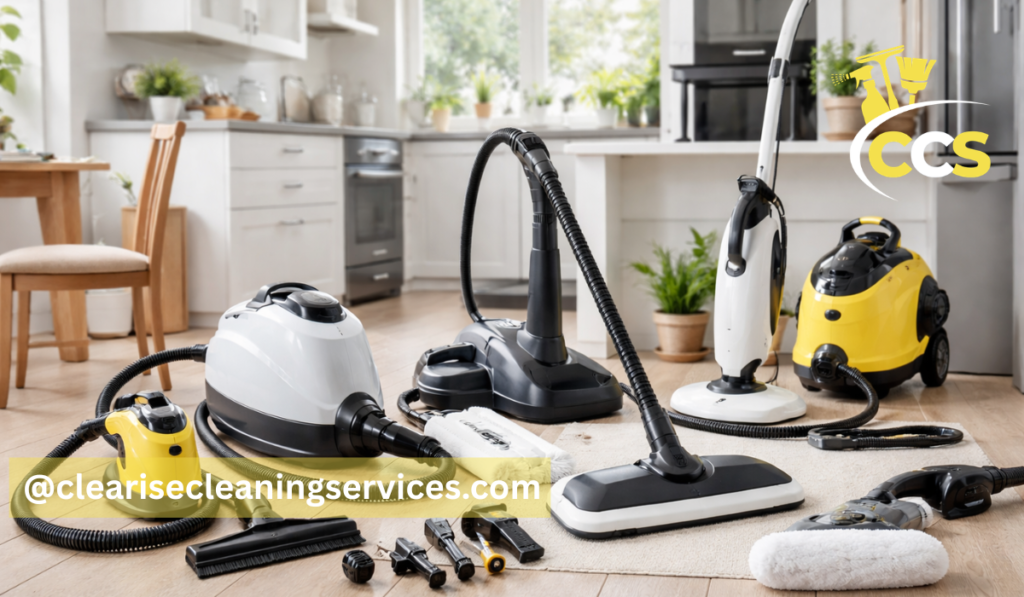
There are several types of steam cleaners available, each designed for different cleaning needs. Understanding these options helps you choose the right one for your home.
Canister steam cleaners are known for their versatility. They usually come with a range of attachments, allowing them to clean floors, tiles, windows, and even upholstery. These models are often more powerful and suitable for deep cleaning tasks.
Steam mops are designed mainly for floors. They are lightweight and easy to use, making them ideal for everyday cleaning. Many people prefer them for quick sanitizing of tiles, sealed wood, and other hard surfaces.
Handheld steam cleaners are compact and easy to carry. They are perfect for small areas like grout lines, sinks, and kitchen corners. Their size makes them convenient for quick cleaning jobs where larger machines may be unnecessary.
Hybrid or multi-function steam cleaners combine features from different types. They can work as both a mop and a handheld device, offering flexibility for users who want one tool for multiple tasks.
Where You Can Use a Steam Cleaner at Home
One of the main advantages of using a steam cleaner is its wide range of applications. It can be used on many surfaces around the home, making it a practical all-in-one cleaning solution.
Floors are one of the most common areas where steam cleaners are used. They work well on tile, sealed hardwood, and marble surfaces, helping to remove dirt and sanitize at the same time.
In the kitchen, steam cleaners can handle countertops, stovetops, and even greasy areas that are hard to clean with regular methods. The steam helps break down oil and food residue without leaving chemical traces.
Bathrooms also benefit greatly from steam cleaning. It can clean grout, remove soap scum from glass, and sanitize fixtures like faucets and showerheads.
Steam cleaners are also useful for upholstery and fabrics. They can refresh sofas, curtains, and mattresses by removing dirt and odors.
For windows and tight spaces, steam cleaners provide a precise cleaning solution. With the right attachment, they can reach corners and areas that are difficult to clean with traditional tools.
Key Benefits of Using a Steam Cleaner
Using a steam cleaner offers several benefits that make it a valuable addition to any home. One of the biggest advantages is that it does not require chemicals. This makes it safer for families, especially those with children or pets.
Steam cleaning is also very effective at removing grease, grime, and bacteria. The high temperature helps break down tough stains that might otherwise require strong cleaning agents.
Another benefit is the time it saves. Instead of using multiple products for different surfaces, a steam cleaner can handle many cleaning tasks in one go.
It is also an eco-friendly option. Since it only uses water, it reduces the need for chemical cleaners and minimizes environmental impact.
Limitations and When Not to Use a Steam Cleaner
While steam cleaners are versatile, they are not suitable for every situation. Some surfaces can be damaged by heat or moisture, so it is important to use caution.
Unsealed wood is one example. Steam can cause it to warp or crack over time. Delicate materials and certain fabrics may also not respond well to high temperatures.
There are also cases where steam cleaning is not ideal. For example, heavily soiled areas may still require pre-cleaning before using steam. Understanding these limitations helps prevent damage and ensures better results.
Important Features to Look for Before Buying
When choosing a steam cleaner, it is important to consider features that match your needs. Heat-up time is one of the first things to look at. A faster heat-up time means you can start cleaning sooner.
Water tank capacity also matters. Larger tanks allow for longer cleaning sessions without needing to refill. This is especially useful for bigger homes.
Attachments and accessories add versatility. A good c steam cleaner often comes with tools for floors, grout, and upholstery.
Portability and design are also important. Lightweight models are easier to handle, especially for everyday use.
Safety features such as automatic shut-off and pressure control can provide peace of mind while using the device.
Understanding Different Steam Cleaner Attachments
Attachments play a key role in how effective a steam cleaner can be. Each tool is designed for a specific purpose, helping you clean different surfaces more efficiently.
Floor mop heads are used for large areas like tiles and wood floors. They distribute steam evenly and make it easier to clean wide surfaces.
Brush tools are helpful for grout and tough stains. They allow you to scrub while applying steam, making it easier to remove stubborn dirt.
Nozzles provide focused steam for precise cleaning. They are useful for corners, edges, and other hard-to-reach areas.
Fabric and upholstery tools are designed to clean soft surfaces. They help refresh furniture and remove dirt without damaging the material.
How to Use a Steam Cleaner Safely and Effectively
Using a steam cleaner correctly ensures both safety and good results. The process usually starts by filling the water tank and allowing the machine to heat up.
Before cleaning, it is important to prepare the surface. This may involve removing loose dirt or dust so that the steam can work more effectively.
While using the cleaner, it is best to move it slowly across the surface. This allows the steam enough time to break down dirt and sanitize properly.
Safety is also important. Avoid pointing steam directly at skin and always follow the manufacturer’s instructions. Using the right attachment for each task can also improve results and prevent damage.
Step-by-Step Guide: How to Use a Steam Cleaner
- Fill the water tank with clean water
- Turn on the machine and allow it to heat up
- Attach the correct tool for the surface
- Start cleaning slowly to let steam break down dirt
- Wipe away loosened grime with a cloth if needed
- Turn off and empty the tank after use
Maintenance and Care for Long-Term Performance
Regular maintenance helps keep a steam cleaner working efficiently. One important step is cleaning the water tank to prevent mineral buildup, especially in areas with hard water.
Proper storage also matters. After use, the cleaner should be emptied and allowed to dry before being stored.
Over time, some parts may need replacement. Accessories like brushes and pads can wear out and should be replaced when necessary to maintain performance.
Common Mistakes to Avoid When Using a Steam Cleaner
There are a few common mistakes that can reduce the effectiveness of a steam cleaner. One of them is using steam on surfaces that cannot handle heat, which can lead to damage.
Another mistake is not testing the cleaner on a small area first. This step helps ensure that the surface will not be affected by steam.
Using the wrong attachment can also limit results. Each tool is designed for a specific task, so choosing the right one is important.
Skipping maintenance is another issue. Without proper care, the cleaner may lose efficiency over time.
Steam Cleaner vs Traditional Cleaning Methods
Steam cleaning and traditional cleaning methods each have their own advantages. Steam cleaning is known for its ability to sanitize without chemicals, making it a cleaner and more eco-friendly option.
Traditional cleaning, on the other hand, may be more suitable for certain tasks that require specific products. However, it often involves more steps and multiple cleaning agents.
In terms of cost, steam cleaners may require an initial investment, but they can save money over time by reducing the need for cleaning products.
Choosing between the two depends on your needs. Many households find that combining both methods gives the best results.
How to Choose the Right Steam Cleaner for Your Needs
Choosing the right steam cleaner depends on how you plan to use it. For smaller homes or quick cleaning tasks, a lightweight steam mop or handheld unit may be enough.
For larger spaces or deep cleaning, a canister model offers more power and versatility. It can handle a wider range of tasks and surfaces.
Budget is also an important factor. While some models are more affordable, others offer advanced features that may be worth the investment.
It is also helpful to match the cleaner’s features with your specific needs. Whether you need it for floors, upholstery, or detailed cleaning, selecting the right model ensures better results.
Conclusion
Steam cleaners have become an essential tool for modern homes. They offer a simple, effective, and chemical-free way to clean and sanitize a wide range of surfaces. Whether you are using a basic model or a more advanced c steam cleaner, the benefits remain the same.
By understanding how steam cleaners work, their different types, and how to use them properly, you can make the most of this cleaning method. Choosing the right model based on your needs will help you achieve better results and save time in your daily routine.
In the end, the best approach is to focus on what works for your home rather than following trends. With the right steam cleaner and proper use, maintaining a clean and healthy living space becomes much easier.
FAQs (People Also Ask)
Is a steam cleaner safe for all surfaces?
No, it is not safe for all surfaces. Avoid using it on unsealed wood, delicate fabrics, and surfaces that can be damaged by heat or moisture.
Do Steam Cleaners Really Kill Bacteria?
Yes, high-temperature steam can kill many types of bacteria and germs, making it a good option for sanitizing surfaces without chemicals.
Can I Use A Steam Cleaner On Carpets And Sofas?
Yes, many steam cleaners can be used on carpets and upholstery, but always check the fabric type and test a small area first.
How Often Should I Use A Steam Cleaner?
It depends on your cleaning needs. For regular maintenance, once a week is enough, while deep cleaning can be done monthly.
Is A Steam Cleaner Better Than Traditional Cleaning?
It depends on the task. Steam cleaning is great for sanitizing and removing tough grime, while traditional cleaning may still be needed for certain stains or materials.
Disclaimer: This article is for informational purposes only. Results may vary depending on the type of steam cleaner and surface used. Always follow the manufacturer’s instructions and test surfaces before full use to avoid damage.
Thanks for visiting Clearise Cleaning Services! Discover more helpful tips and expert cleaning insights by exploring our related categories.