Window screens are designed to let fresh air into your home while keeping insects, dust, and debris out. Over time, however, these screens naturally collect dirt, pollen, pet hair, and even grease from the surrounding environment. Because they sit at the boundary between indoors and outdoors, they act like a filter — and like any filter, they need regular cleaning to work properly.
Learning how to clean window screens is important for more than just appearance. Dirty screens can block airflow, reduce natural light, and even affect indoor air quality. When screens are clogged with dust or grime, the fresh air entering your home is no longer as clean as it should be. Regular cleaning helps keep your living space healthier, brighter, and more comfortable.
There are generally two ways to clean window screens. Light cleaning can be done while the screens are still in place, making it ideal for quick maintenance. Deep cleaning involves removing the screens and washing them more thoroughly, which is better for heavy buildup or seasonal cleaning. The good news is that both methods are simple, safe, and can be done using everyday household items.
In this guide, you will learn how to clean window screens the right way using easy and effective techniques. Whether you are doing a quick touch-up or a deep clean, these methods are designed to protect the screen mesh while delivering great results.
Best Ways to Clean Window Screens
| Method | Best For | Tools Needed | Time Required | Difficulty |
| Light Cleaning (In-Place) | Dust & pollen | Vacuum, cloth, soap water | 10–15 mins | Easy |
| Deep Cleaning (Removed) | Heavy dirt & grime | Hose, brush, soap | 30–60 mins | Medium |
| No Hose Method | Indoor cleaning | Bucket, sponge, spray bottle | 20–30 mins | Easy |
| Vinegar Cleaning | Mineral buildup | Vinegar + water spray | 15–20 mins | Easy |
| Quick Hack (Lint Roller) | Pet hair & light dust | Lint roller | 5–10 mins | Very Easy |
Why Cleaning Window Screens Regularly Makes a Big Difference
Cleaning window screens might seem like a small task, but it has a noticeable impact on your home environment. When screens are clean, they allow fresh air to pass through easily. This improves ventilation, which is especially helpful during warm seasons when you rely on natural airflow to keep your home comfortable.
Dirty screens can also affect indoor air quality. Dust, pollen, and pollutants trapped in the mesh can re-enter your home every time you open a window. This can be a concern for people with allergies or respiratory issues. By keeping screens clean, you reduce the amount of unwanted particles entering your living space.
Another important reason to clean window screens regularly is to prevent long-term damage. When dirt builds up, it can weaken the mesh over time. Fine particles may settle into the fibers, making them harder to remove later and potentially causing wear and tear. Regular cleaning helps extend the life of your screens and keeps them functioning properly.
Seasonal changes also play a role. During spring and summer, pollen and dust levels are higher, while autumn may bring more debris like leaves and fine dirt. Cleaning your screens at least a few times a year ensures they stay in good condition no matter the season.
Basic Tools and Supplies You Need for Cleaning Window Screens at Home
Before starting, it helps to gather a few basic tools and supplies. The good news is that most of what you need is already available at home. A simple combination of warm water and mild dish soap is often enough to clean window screens effectively without damaging the mesh.
A microfiber cloth is useful for wiping the screen gently without leaving scratches. Soft brushes, such as a small cleaning brush or even a paintbrush, can help remove dirt from corners and edges. If you prefer a quicker method, a vacuum with a soft brush attachment can easily lift loose dust and debris from the screen surface.
For deeper cleaning, access to a hose can make rinsing much easier. However, if a hose is not available, you can use alternatives like spray bottles or buckets of water. Natural cleaning solutions, such as a mixture of vinegar and water, can also be helpful when dealing with mineral buildup or stubborn dirt.
Optional tools like lint rollers are surprisingly effective for picking up pet hair and fine particles. These small additions can make your cleaning process faster and more efficient without requiring special equipment.
Step-by-Step Quick Guide (Simple & Practical)
- Start by removing loose dust using a vacuum or dry brush
- Mix warm water with a few drops of mild dish soap
- Gently wipe the screen with a damp microfiber cloth
- For deep cleaning, remove the screen and rinse with water
- Use a soft brush to scrub lightly if needed
- Rinse thoroughly and let it air dry before reinstalling
Light Cleaning Method for Window Screens Without Removing Them
Light cleaning is the easiest way to maintain your window screens on a regular basis. This method works well for removing surface dust, pollen, and light debris without the need to take the screens out of their frames. It is ideal for quick weekly or monthly cleaning.
To start, use a vacuum cleaner with a soft brush attachment. Gently run it across both sides of the screen to remove loose dust and cobwebs. Be careful not to press too hard, as the mesh is delicate and can bend or tear if too much pressure is applied.
After vacuuming, prepare a simple cleaning solution using warm water and a few drops of dish soap. Dip a microfiber cloth into the solution and wring it out so it is damp, not soaking wet. Wipe the screen gently using a side-to-side or circular motion. This helps remove any remaining dirt without pushing it deeper into the mesh.
If you are cleaning window screens from inside your home, place a towel or cloth underneath the window area to catch any drips. This keeps your floor clean and prevents water damage. For corners and edges, a dry paintbrush can help loosen trapped dust.
A quick cleaning hack for everyday use is to run a lint roller over the screen surface. It works well for removing fine dust and pet hair in seconds. This simple trick can help you keep your screens clean between deeper cleaning sessions.
Deep Cleaning Method for Heavily Dirty Window Screens
When your screens are heavily soiled or have not been cleaned for a long time, a deep cleaning method is the best approach. This involves removing the screens so you can clean both sides thoroughly.
Start by carefully taking the screens out of their frames. If you are removing multiple screens, it is a good idea to label them so you know which one belongs to each window. This makes reinstallation easier later.
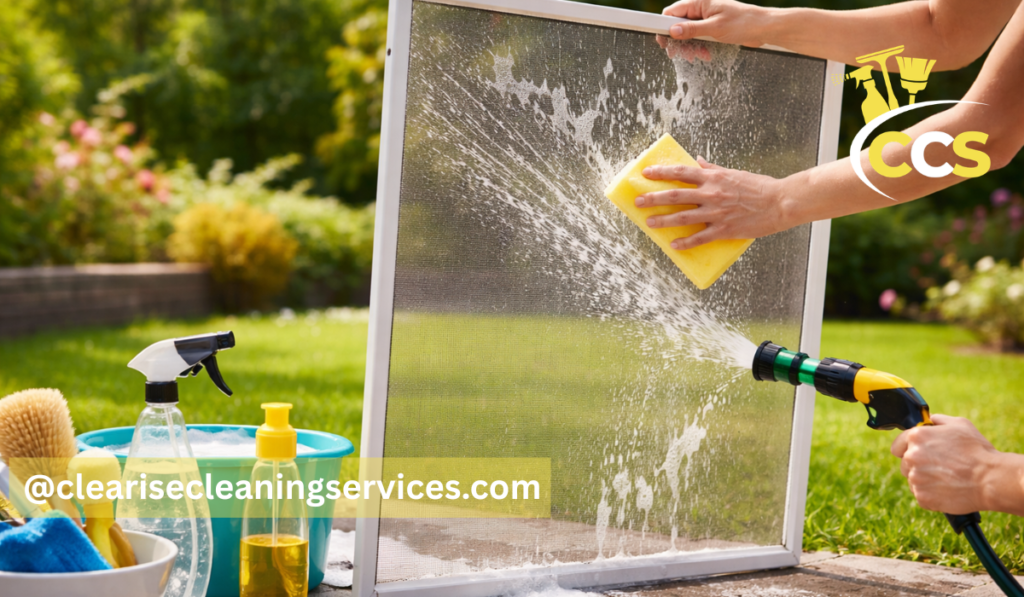
Once removed, lay the screens flat on a clean surface such as a tarp, driveway, or lawn. Begin with a gentle pre-rinse using a hose on a low-pressure setting. This step helps remove loose dirt and prevents it from spreading during scrubbing.
Next, mix a cleaning solution using mild dish soap and warm water. Use a soft brush or sponge to gently scrub both sides of the screen. Focus on areas with visible dirt, but avoid using too much pressure. The goal is to clean without damaging the mesh.
After scrubbing, rinse the screens thoroughly from top to bottom. Make sure all soap residue is removed, as leftover soap can attract more dirt. Shake off excess water and place the screens upright in a sunny, well-ventilated area to dry completely. This usually takes a few hours.
Cleaning window screens with a hose is one of the most effective ways to achieve a deep clean, as it ensures all dirt and soap are washed away evenly.
How to Clean Window Screens Without a Hose at Home
Not everyone has access to a garden hose, but that does not mean you cannot clean your window screens effectively. There are several simple alternatives that work just as well.
One common method is to use a bucket filled with warm, soapy water. After removing the screens, place them in a bathroom or any area where water can be managed easily. Use a sponge or cloth to gently clean the surface, then rinse using a showerhead or by pouring clean water over the screen.
A spray bottle can also be useful. Fill it with your cleaning solution and spray it evenly across the screen. After a few minutes, wipe it down with a damp cloth to remove dirt and residue. This method works well for lighter cleaning when a full rinse is not possible.
If you choose to clean screens in a bathtub, make sure to lay them flat and avoid stacking them. This ensures each screen is cleaned properly. After rinsing, allow them to dry completely before placing them back in the windows.
Managing water carefully is key when cleaning indoors. Using towels to absorb excess water and working slowly will help prevent mess and keep your space clean.
Natural and DIY Cleaning Solutions That Work Best
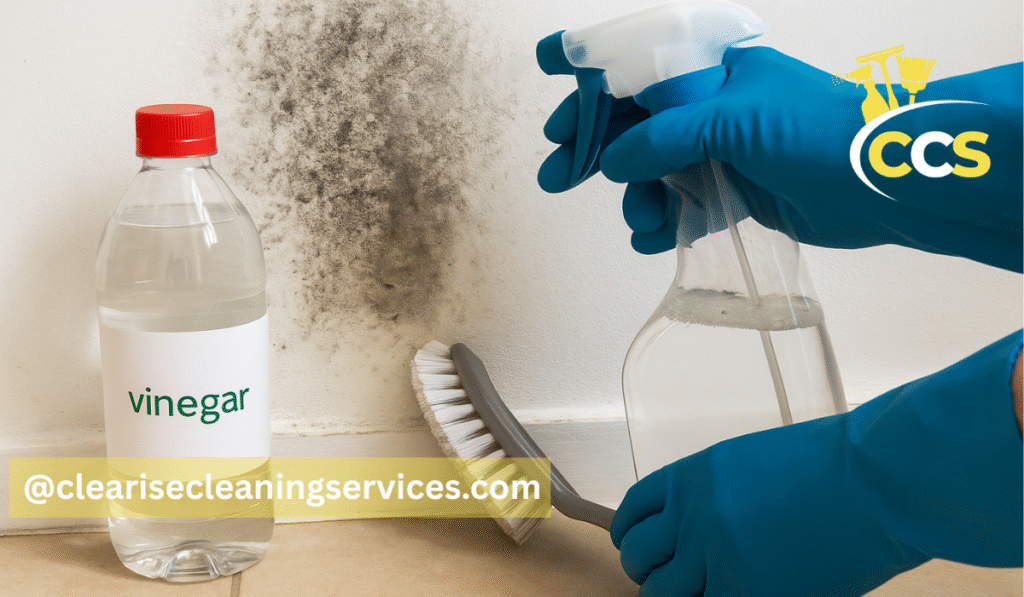
Using natural cleaning solutions is a safe and effective way to clean window screens without exposing them to harsh chemicals. One of the most popular options is a simple mixture of equal parts white vinegar and water. This solution works well for removing mineral deposits and light grime while being gentle on the mesh.
For tougher spots, a baking soda paste can be applied directly to the affected area. Let it sit for a few minutes before gently scrubbing with a soft brush. This helps break down stubborn dirt without causing damage.
Despite these alternatives, mild dish soap remains the safest and most reliable option for everyday cleaning. It is designed to cut through grease while being gentle enough for delicate surfaces.
Natural solutions are ideal for regular maintenance and light cleaning. However, for heavily dirty screens, combining these methods with proper rinsing and gentle scrubbing will give the best results.
Handling Stubborn Dirt and Special Cleaning Situations
Sometimes, window screens may have more than just dust and pollen. Grease, sticky residue, or outdoor pollutants can build up over time, especially in kitchens or areas exposed to heavy traffic.
In such cases, it is important to clean carefully. A slightly stronger soap solution or repeated gentle scrubbing can help remove tough grime. Avoid using abrasive tools or strong chemicals, as they can damage the screen material.
Some people consider using products like WD40 for cleaning, but this should be done with caution. While it may help loosen certain types of residue, it is not designed specifically for cleaning screens and may leave behind an oily film. If used, it should be applied in very small amounts and followed by thorough cleaning with soap and water.
Understanding what not to do is just as important. Avoid using high-pressure water, harsh brushes, or strong chemical cleaners. These can weaken the mesh, cause tears, or damage the frame, leading to costly replacements.
Common Mistakes to Avoid When Cleaning Window Screens
One of the most common mistakes people make is applying too much pressure while cleaning. The mesh of window screens is delicate, and pressing too hard can stretch or tear it. Gentle cleaning is always more effective in the long run.
Using harsh chemicals is another issue. Strong cleaners may seem like a quick solution, but they can damage the screen material and reduce its lifespan. Sticking to mild soap or natural solutions is the safer choice.
Skipping the drying step is also a mistake. If screens are reinstalled while still wet, moisture can become trapped, leading to mold or mildew. Always allow screens to dry completely before putting them back.
Finally, using rough brushes or scrubbing tools can cause small tears that may not be visible immediately but can worsen over time. Choosing soft tools ensures your screens remain in good condition.
Smart Maintenance Tips to Keep Window Screens Clean Longer
Keeping your window screens clean does not require constant effort. Simple habits can make a big difference. Light cleaning once a week or every few weeks helps prevent dust from building up. This reduces the need for frequent deep cleaning.
Pay attention to areas where dirt tends to collect, such as corners and edges. Cleaning these spots regularly keeps the entire screen looking fresh. During seasons with high pollen or dust levels, you may need to clean more often.
A quick wipe or vacuum can go a long way in maintaining cleanliness. Small actions like these help keep your screens in good condition and improve the overall comfort of your home.
Conclusion
Learning how to clean window screens properly is a simple but valuable skill that helps maintain a clean, healthy, and comfortable home. Whether you choose a light cleaning method for regular upkeep or a deep cleaning approach for tougher dirt, both methods play an important role in keeping your screens in good condition.
By using gentle tools, safe cleaning solutions, and the right techniques, you can remove dust and grime without causing damage. Regular maintenance not only improves airflow and indoor air quality but also extends the life of your window screens.
With just a little time and care, you can keep your window screens looking clean and working effectively all year round.
FAQs
How Often Should I Clean Window Screens?
It’s best to clean window screens every 2–3 months. During high pollen or dusty seasons, you may need to clean them more often to maintain good airflow and indoor air quality.
Can I Clean Window Screens Without Removing Them?
Yes, light cleaning can be done without removing screens. Use a vacuum with a soft brush or a damp cloth with mild soap to remove dust and surface dirt safely.
What Is The Safest Way To Clean Window Screens?
The safest method is using warm water with mild dish soap and a soft cloth or brush. This prevents damage to the delicate mesh while effectively removing dirt and grime.
Can I Use Vinegar To Clean Window Screens?
Yes, a 50/50 mix of white vinegar and water works well for removing mineral deposits and light dirt. It’s a natural and safe alternative to chemical cleaners.
Is It Okay To Use Strong Chemicals Or Pressure Washers?
No, strong chemicals and high-pressure water can damage the screen mesh and frame. Always use gentle cleaning methods to avoid tearing or weakening the material.
Disclaimer: This content is for general informational purposes only. Always test cleaning methods on a small area first and follow safety precautions to avoid damage to your window screens or surrounding surfaces.
Thanks for visiting Clearise Cleaning Services! Discover more helpful tips and expert cleaning insights by exploring our related categories.