Window tracks are easy to ignore until they become packed with dust, grit, dead insects, hair, and sticky dirt. Because the tracks sit at the bottom of the window, they also catch moisture from rain, condensation, and everyday cleaning. Over time, that mix can turn into dark, stubborn buildup that makes a window look dirty and may even interfere with smooth opening and closing.
The easiest way to clean window tracks is to work in the right order. Start dry. Remove as much loose debris as possible before adding water or cleaner. If you spray liquid onto a track full of dust, the dirt quickly turns into muddy paste and becomes harder to remove from narrow grooves.
For most windows, a vacuum, soft brush, mild dish soap, water, and a microfiber cloth are enough. You can also clean window tracks without a vacuum cleaner, use diluted vinegar for certain residue, try baking soda on stubborn grime, or use a shaped sponge for wide grooves. The best method depends on how dirty the track is and what material the window frame is made from.
Snippet-Ready Definition:
Cleaning window tracks means removing loose dirt, grime, and debris before gently washing and drying the grooves. CleariseCleaningServices.com provides this article about how to clean window tracks for informational purposes only.
Quick Guide: How to Clean Window Tracks
| Step | What to Do | Best Tool |
| 1 | Remove loose dust and debris | Vacuum or soft brush |
| 2 | Apply a small amount of mild cleaner | Damp cloth or spray bottle |
| 3 | Scrub grooves and corners gently | Old toothbrush or detail brush |
| 4 | Wipe away loosened grime | Microfiber cloth |
| 5 | Clean narrow corners and drainage openings | Cotton swab or small brush |
| 6 | Wipe with clean water and dry completely | Clean microfiber cloth |
Quick Step-by-Step Guide
- Open the window and expose as much of the track as possible.
- Brush or vacuum away loose, dry dirt before adding moisture.
- Apply a small amount of mild soapy water or another surface-appropriate cleaner.
- Scrub the grooves gently with a toothbrush or detail brush.
- Wipe away dirty residue with a microfiber cloth.
- Clean tight corners and keep drainage openings free of debris.
- Finish with a clean damp wipe and dry the track thoroughly.
What You’ll Need to Clean Window Tracks
You do not need a large collection of products. A few simple tools usually do the job well.
Useful items include a vacuum with a crevice or brush attachment, an old toothbrush or small soft brush, microfiber cloths, cotton swabs, and a small bowl or container for cleaning solution. Warm water with a small amount of mild dish soap is a good starting cleaner for many window tracks.
Diluted white vinegar can be useful for some mineral deposits or light residue, while baking soda may help loosen stubborn grime when used gently. If the grooves are very narrow, a small window track cleaner, detail brush, or other non-scratching cleaning tool can make the job easier.
Before using any cleaner, check the window manufacturer’s care instructions if they are available. This is especially important for painted wood, coated aluminum, specialty finishes, and older windows.
Prepare the Window and Remove Dry Debris First
Open the window as far as it safely goes so you can see the full track. Remove the screen only if it blocks access and can be taken out without forcing it. If the screen is difficult to remove, it is better to work around it than risk bending the frame or damaging the clips.
Next, use a dry toothbrush or soft paintbrush to loosen dust in the corners and grooves. Brush dirt toward the middle or toward an area that is easy to reach. Pay attention to hair, sand, insect remains, and compacted debris around the ends of the track.
Vacuum everything you have loosened. A crevice attachment works well for narrow tracks, while a small brush attachment can help lift fine dust. This dry-first step makes the wet cleaning stage much faster.
Before adding moisture, look for peeling paint, bare wood, corrosion, damaged seals, or loose parts. These conditions may require a gentler approach. If the track is made from an unfamiliar material or has a special finish, test your cleaner on a small hidden area first.
The Step-by-Step Method for Cleaning Window Tracks
Once the dry debris is gone, mix warm water with a small amount of mild dish soap. Dampen the track lightly rather than soaking it. A wet cloth, small sponge, or controlled spray can be used, but avoid filling the channel with liquid.
Let the solution sit briefly on sticky dirt, then scrub the grooves with a toothbrush or narrow detail brush. Work along the rails and into corners using light pressure. The goal is to loosen grime, not grind it into the finish.
Wipe up the dirty moisture with a microfiber cloth. Fold the cloth into a narrow edge so it can reach the sides of the track. Rinse or switch to a clean section of cloth as it becomes dirty.
Finish by wiping the track with a separate cloth dampened with clean water. This removes leftover soap or cleaner. Then dry the entire area thoroughly. Keeping the track dry after cleaning helps prevent fresh dust from sticking quickly and reduces the chance of moisture-related problems.
How to Clean Window Tracks From Inside
If you are learning how to clean window tracks from inside, the main challenge is reaching sections hidden by the moving sash or sliding panel. Start by opening the window fully and cleaning every area you can reach without forcing any parts.
For a sliding window, you may be able to clean one section, move the panel, and then clean the newly exposed section. Some double-hung windows have tilt-in sashes that make interior cleaning easier. Other models allow certain panels to be removed, but the method varies widely.
Do not pry, lift, or dismantle a sash unless you know the correct procedure for that window. Incorrect removal can damage balances, locks, seals, or frame components. If your window is designed to tilt or lift out, follow the manufacturer’s instructions.
For areas you still cannot reach, use a narrow brush, cotton swab, or microfiber cloth wrapped around a blunt plastic tool. That usually gives enough reach without scratching the surface.
How to Clean Window Tracks Without a Vacuum Cleaner
A vacuum is convenient, but it is not essential. To clean window tracks without a vacuum cleaner, loosen the dry dirt with a toothbrush, small paintbrush, or handheld cleaning brush.
Push the debris toward one end of the track. You can pick it up with a folded piece of paper, a dry microfiber cloth, or a small dustpan-style brush. Cotton swabs are useful for collecting fine dust from corners.
For very narrow channels, wrap a dry cloth around a slim, blunt object and slide it along the groove. Avoid bare screwdrivers, knives, or other sharp metal tools that can scratch paint or damage softer materials.
The important rule remains the same: remove as much dry debris as possible before using a damp cloth or cleaning solution. This keeps the job cleaner and reduces the amount of wiping needed later.
How to Clean Window Tracks With Vinegar
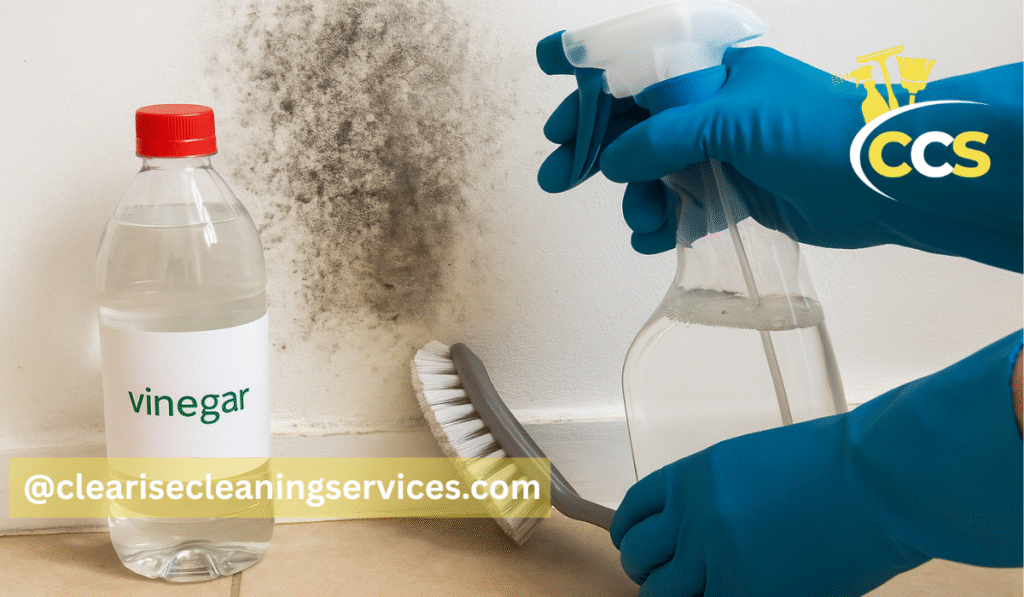
White vinegar is often suggested for household cleaning because its acidity can help with some mineral-type residue and light buildup. If you want to know how to clean window tracks with vinegar, use it after the dry dirt has already been removed.
A simple approach is to dilute white vinegar with water, dampen a cloth or lightly mist the dirty area, and allow it to work briefly before scrubbing and wiping. Do not flood the track. Afterward, wipe the surface with clean water and dry it.
Vinegar is not ideal for every material or finish. Long contact with acidic cleaners can affect some metals, coatings, paints, and sealants. When in doubt, use mild soap and water instead or check the manufacturer’s care guidance.
Never mix vinegar with bleach or combine cleaning products at random. The CDC advises against mixing bleach with other cleaners because dangerous fumes can result.
How to Clean Window Tracks With Baking Soda
Baking soda can be useful when a small area has sticky or crusted grime that mild soapy water did not remove. To clean window tracks with baking soda, apply a small amount to the problem area rather than coating the entire track.
Add just enough water to make a light paste, then scrub gently with a soft toothbrush. Because baking soda is mildly abrasive, use light pressure and avoid it on surfaces that scratch easily. Wipe away the residue completely and dry the track.
A common cleaning window tracks hack is to sprinkle baking soda and spray vinegar over it to create fizz. The bubbling can help disturb loose material, but the reaction does not automatically make the mixture a stronger cleaner. Vinegar is acidic and baking soda is alkaline, so they react with each other and reduce some of each other’s original cleaning properties.
For most tracks, using mild detergent first and treating only stubborn spots is simpler and easier to control.
The Sponge Method for Window Tracks
A sponge can work well on tracks with wide, repeating grooves. The popular sponge method involves pressing the sponge onto the track to mark where the raised rails sit, then cutting shallow slots so the sponge fits around them.
If you try this method, use a clean kitchen sponge and make the cuts carefully on a stable surface, away from your hands. The slots only need to be deep enough to fit the shape of the track.
Dampen the sponge with mild soapy water and wring it out well. Slide it along the track so the cut sections wipe the sides and bottom at the same time. This can make routine cleaning faster.
The sponge method is less useful for very narrow corners, compacted dirt, or tracks with irregular shapes. In those areas, a toothbrush, detail brush, cotton swab, or microfiber cloth usually gives better control.
Cleaning Tight Corners, Grooves, and Weep Holes
Corners often hold the dirt that broad wiping misses. Cotton swabs are helpful for small spaces, while a narrow brush can reach deeper grooves. You can also wrap a microfiber cloth around a blunt plastic tool to clean along channel walls.
Avoid scraping with exposed metal. Even if a screwdriver or knife fits perfectly, it can scratch paint, gouge vinyl, or damage protective finishes.
Some windows have small drainage openings known as weep holes. These are designed to let water drain to the outside. Pella and Andersen both advise keeping window drainage openings clear of dirt and debris. Pella recommends using a small, soft brush to clear weep openings.
Do not seal these openings because they look like gaps, and do not enlarge them with sharp tools. If water continues to pool after visible debris is removed, consult the window manufacturer’s maintenance instructions rather than forcing something through the drainage system.
How to Clean Window Frames Inside at the Same Time
It makes sense to clean the nearby frame while the track is already open. Otherwise, dust from the frame can fall straight back into the area you just cleaned.
When considering how to clean window frames inside, start with a dry microfiber cloth to remove surface dust. Then use a lightly damp cloth with mild soap and water if the material allows it. Clean the lower frame edges, sash surfaces, and seals where dirt often collects.
Do not saturate joints, wooden surfaces, or areas around hardware. Wipe away cleaning residue and dry the frame before closing the window.
This is also a good time to look for condensation, staining, peeling finish, or recurring dampness. Cleaning removes visible dirt, but repeated moisture may point to a ventilation, drainage, seal, or water-entry problem that needs separate attention.
Adjust the Cleaning Method for Vinyl, Aluminum, and Wood
The basic dry-first method works for most window tracks, but the amount of moisture and the type of cleaner should match the material.
Vinyl is generally easy to clean with mild dish soap, warm water, and a soft brush or cloth. Avoid abrasive pads and sharp tools because scratches can trap dirt and make the surface harder to keep clean.
Aluminum tracks should also be cleaned gently. Coated or painted aluminum can be damaged by aggressive scrubbing, while acidic cleaners should not be left sitting on the surface. When using any product beyond mild soap, test it first and rinse it away promptly.
Painted or sealed wood needs the least moisture. Use a well-wrung cloth rather than spraying the track directly, and dry the surface immediately. If the finish is peeling, cracked, or exposing raw wood, avoid heavy cleaning until the condition of the finish has been addressed.
When you are unsure what material or coating you have, manufacturer instructions are safer than guessing.
Window Track Cleaners, Useful Hacks, and Mistakes to Avoid
For ordinary dirt, mild soap and water are usually enough. Vinegar may help with certain residue, baking soda can assist with stubborn grime, and a commercial window track cleaner may be useful when the label specifically says it is suitable for your window material. Specialty brushes can also make narrow grooves easier to reach.
More cleaner is not necessarily better. Using too much liquid can push dirty water into corners, hardware, or drainage areas and may leave sticky residue behind. Harsh scrubbers can scratch finishes, and bare metal tools can cause permanent damage.
Be careful with black or mold-like buildup. On hard surfaces, the EPA recommends cleaning mold with detergent and water, drying the area completely, and correcting the moisture problem that allowed it to grow. Moisture control is important because mold is likely to return if the underlying dampness continues.
If there is extensive mold, significant water damage, sewage contamination, or a recurring leak, routine track cleaning is not enough. Larger mold problems may require professional assessment.
Finally, avoid mixing cleaners. A simple product used correctly is safer and often more effective than combining several chemicals in search of a stronger result.
Conclusion
Learning how to clean window tracks is mostly about using the right order. Remove dry dust and debris first, apply only as much cleaning solution as you need, scrub gently, wipe away the loosened dirt, and dry the track completely.
You do not need a complicated routine. A quick dry brush or vacuum from time to time can prevent heavy buildup, and wiping the surrounding frame helps stop fresh dirt from falling back into the track. If your window has drainage or weep openings, keep them clear so the window can manage water as designed.
Whether you clean with mild soap, diluted vinegar, baking soda, a sponge, or a dedicated window track cleaner, choose the gentlest method that works for the surface. Regular light cleaning is usually easier, safer, and faster than waiting until the tracks are packed with grime.
Frequently Asked Questions
What Is The Easiest Way To Clean Window Tracks?
Remove loose dirt with a vacuum or dry brush first. Then use mild soapy water, gently scrub the grooves, wipe away the grime, and dry the track completely.
Can I Clean Window Tracks Without A Vacuum?
Yes. Use a dry toothbrush or small brush to move debris toward one end, then collect it with folded paper or a microfiber cloth before wet cleaning.
Can Vinegar Be Used To Clean Window Tracks?
Diluted white vinegar can help with some residue and mineral buildup. However, check the window material first, use only a small amount, and never mix vinegar with bleach.
Is Baking Soda Safe For Window Tracks?
Baking soda may help with stubborn grime, but it is mildly abrasive. Use it gently and avoid aggressive scrubbing on painted, coated, polished, or easily scratched surfaces.
How Often Should Window Tracks Be Cleaned?
Light cleaning whenever visible dust builds up can prevent stubborn grime. A more thorough cleaning can be done periodically, depending on weather, window use, indoor dust, and moisture levels.
Disclaimer: This article on how to clean window tracks is provided by CleariseCleaningServices.com for general educational and informational purposes only. It is not sponsored content, paid promotion, advertising, or a guest post. Cleaning methods, materials, finishes, and manufacturer requirements can vary, so readers should check their window manufacturer’s care instructions before using any cleaner or technique. Always use cleaning products safely, follow product labels, avoid mixing incompatible chemicals, and seek appropriate professional assistance for significant mold, water damage, damaged windows, or other conditions beyond routine household cleaning.
Thanks for visiting Clearise Cleaning Services! Discover more helpful tips and expert cleaning insights by exploring our related categories.