
Buying replacement windows starts with understanding what you actually need, because a window is not just glass in a frame. It affects comfort, daylight, draughts, noise, security and the look of your home, so a rushed choice can be disappointing for years.
This guide explains the whole buying process in plain language. It covers the signs that windows need replacing, how to measure, the main window types and frame materials, glass and energy features, the difference between full-frame and insert replacement, what affects cost, and what to expect on installation day. By the end, you should feel confident comparing options and asking good questions, without needing any technical background.

What Replacement Windows Actually Are
Replacement windows are new window units fitted into an existing home to take the place of old, damaged or poorly performing windows, usually without rebuilding the whole wall opening. They are made to order for the size of each opening, so they should fit neatly and work smoothly.
There are two broad approaches, explained later in this guide: insert replacement, where the new window fits inside the existing frame, and full-frame replacement, where the old frame is removed completely. Both count as replacement windows, and the right choice depends on the condition of your existing frames and the look you want. The key point is that you are replacing the working window, not rebuilding the wall around it.
Signs You Need Replacement Windows
You may need replacement windows when your current windows no longer do their basic jobs: keeping weather out, letting light in, opening and closing easily, and helping your home stay comfortable. One problem alone may be repairable, but several together usually point to replacement.
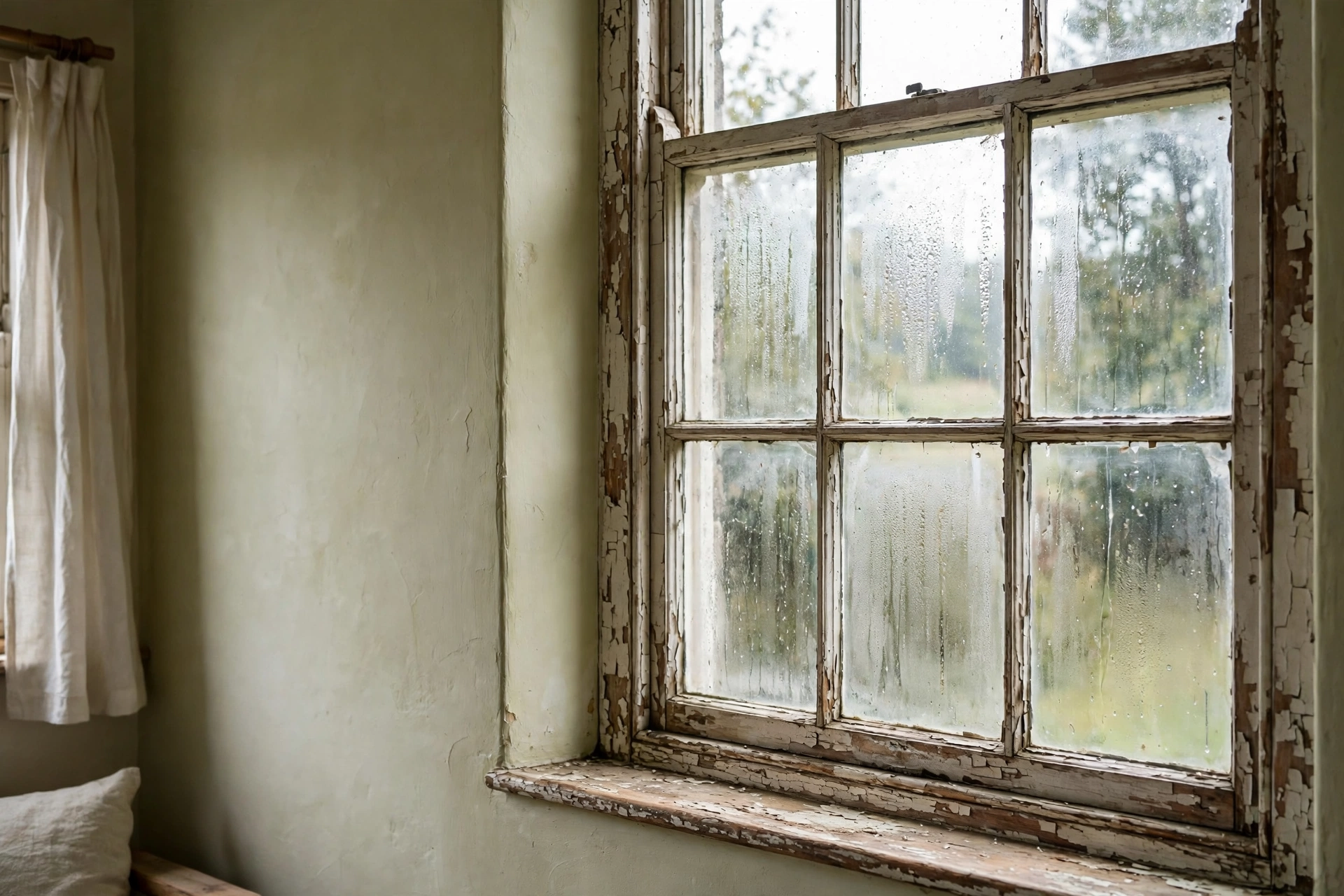
Look for draughts you can feel near a closed window, condensation trapped between panes, frames that are warped, cracked or rotting, and sashes that stick, jam or will not stay open. Rising difficulty with locking, visible gaps around the frame, and rooms that feel cold in winter or hot in summer despite heating and cooling can also be signs. Outside noise that seems louder than it used to be, and curtains or furniture fading near a window, can be further clues that the glazing and seals are no longer doing their job. If several windows show the same problems, replacing them together often makes more sense than repairing each one separately, and it usually gives a more even look across the house.
Measuring Your Windows Before You Shop
Measuring windows for replacement means recording the width, height and depth of each opening accurately, because replacement windows are usually made to fit the opening they will go into. Good measurements help suppliers quote correctly and help installers fit the new window without forcing it.
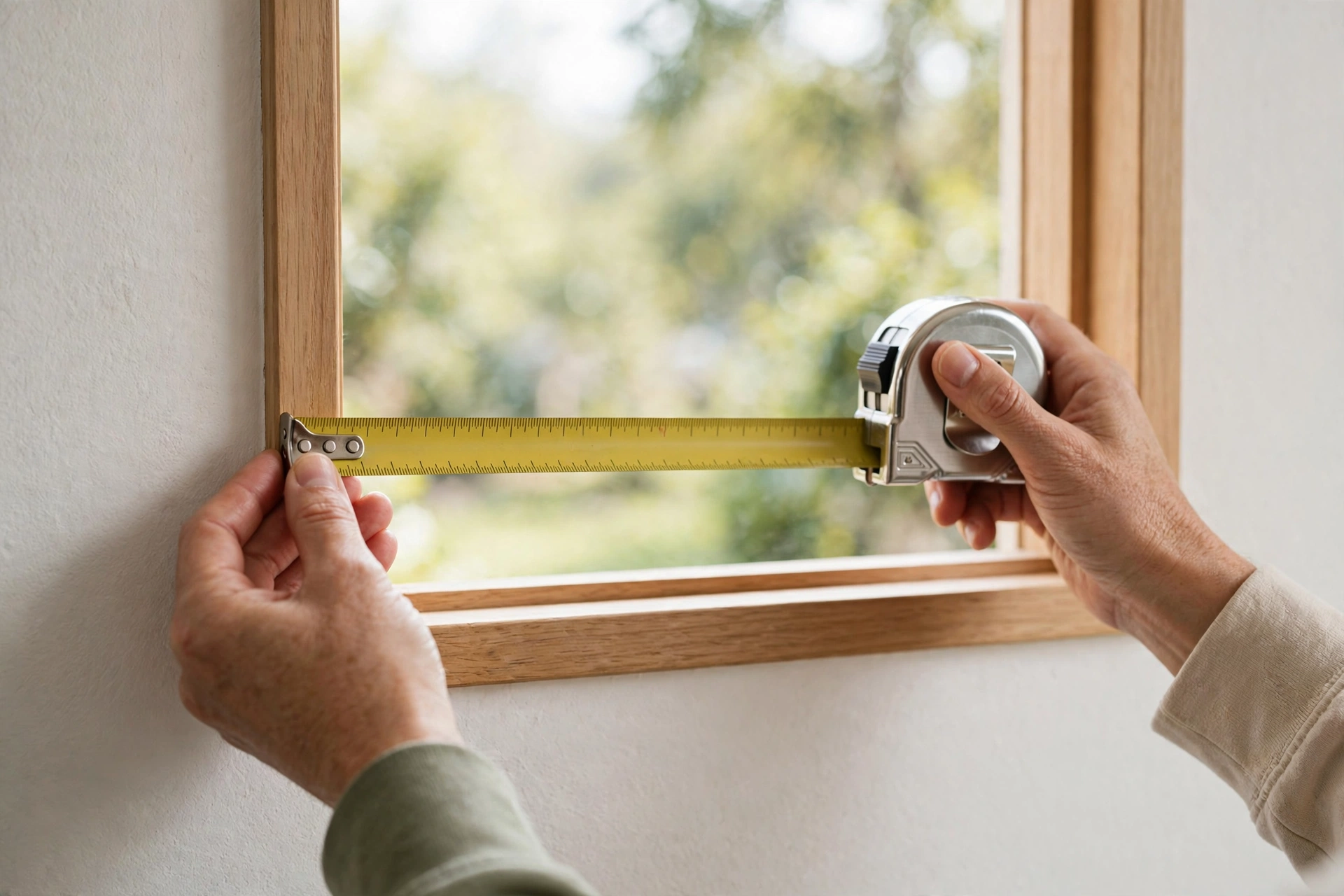
Measure the width in three places, at the top, middle and bottom of the opening, and the height on the left, middle and right, then use the smallest figure for each, since openings are rarely perfectly square. Also note the depth of the frame, so the new window sits properly, and check whether the opening is square by comparing diagonal measurements. Write down every measurement with the room and window name, and measure each window separately, even if they look identical, because small differences between openings are common in older homes. Take a photo of each window with its measurements noted beside it, which makes later conversations with a supplier much easier. If you are unsure, ask the supplier or installer to measure, because a wrong measurement can delay the whole job.
Window Types Explained Simply
Window types differ mainly in how they open, and that affects ventilation, cleaning, space and cost, so it helps to know the main types before you shop. The most common types for homes are double-hung, casement, sliding, picture and bay windows, and each suits different rooms.
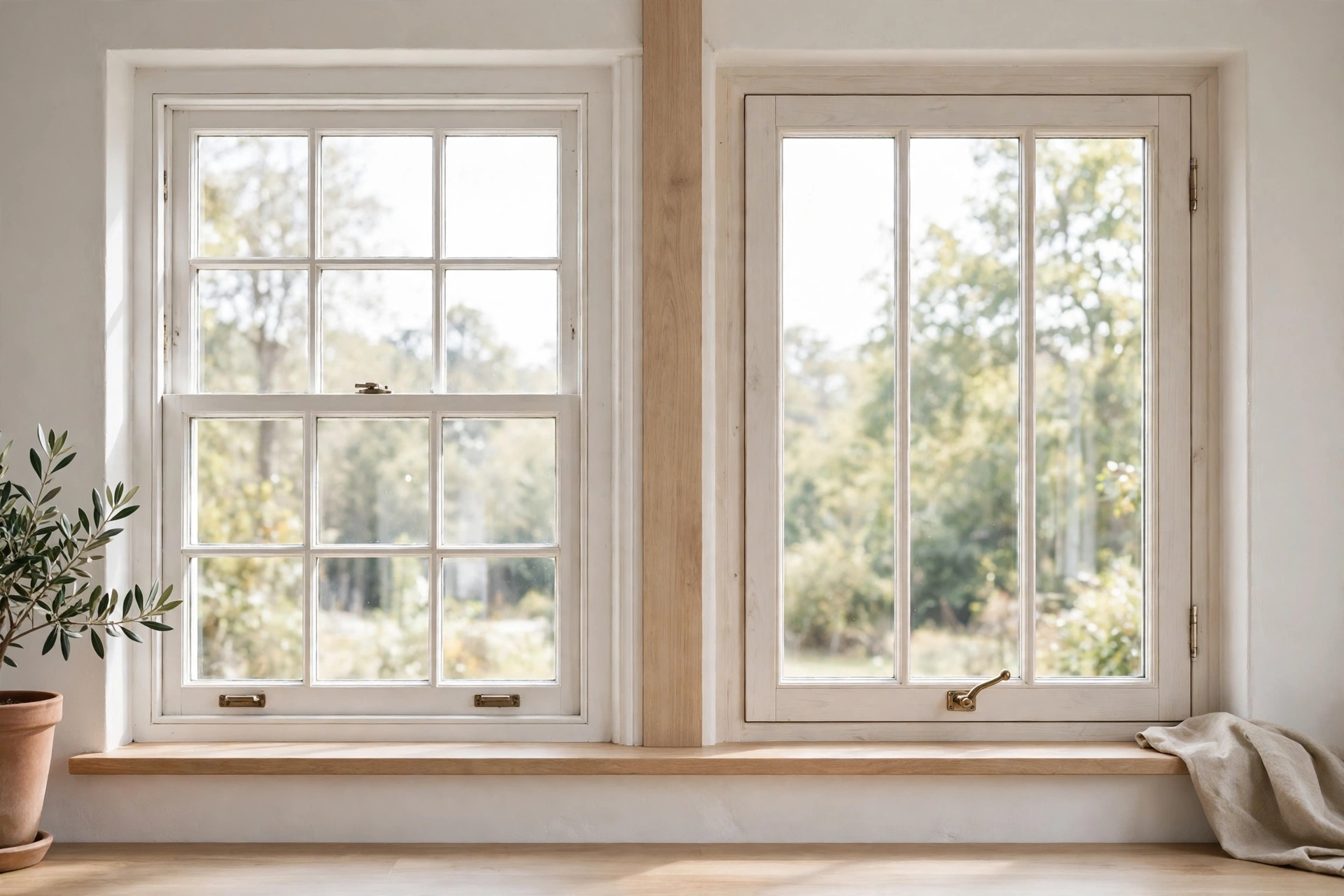
Double-hung windows have two sashes that slide up and down, so you can open the top, the bottom, or both, and many tilt inwards for cleaning, which suits upper floors well. Casement windows are hinged at the side and open outwards like a door, which gives good airflow and a clear view, though you should check that nothing outside blocks the swing. Sliding windows move sideways along a track and suit wide, short openings, and they are easy to operate where space in front of the window is tight. Picture windows do not open at all and are chosen for light and views, so they are often paired with an opening window nearby for ventilation. Bay windows project outwards from the wall, creating extra space and light from several angles, and they can make a room feel noticeably larger.
Frame Materials Compared
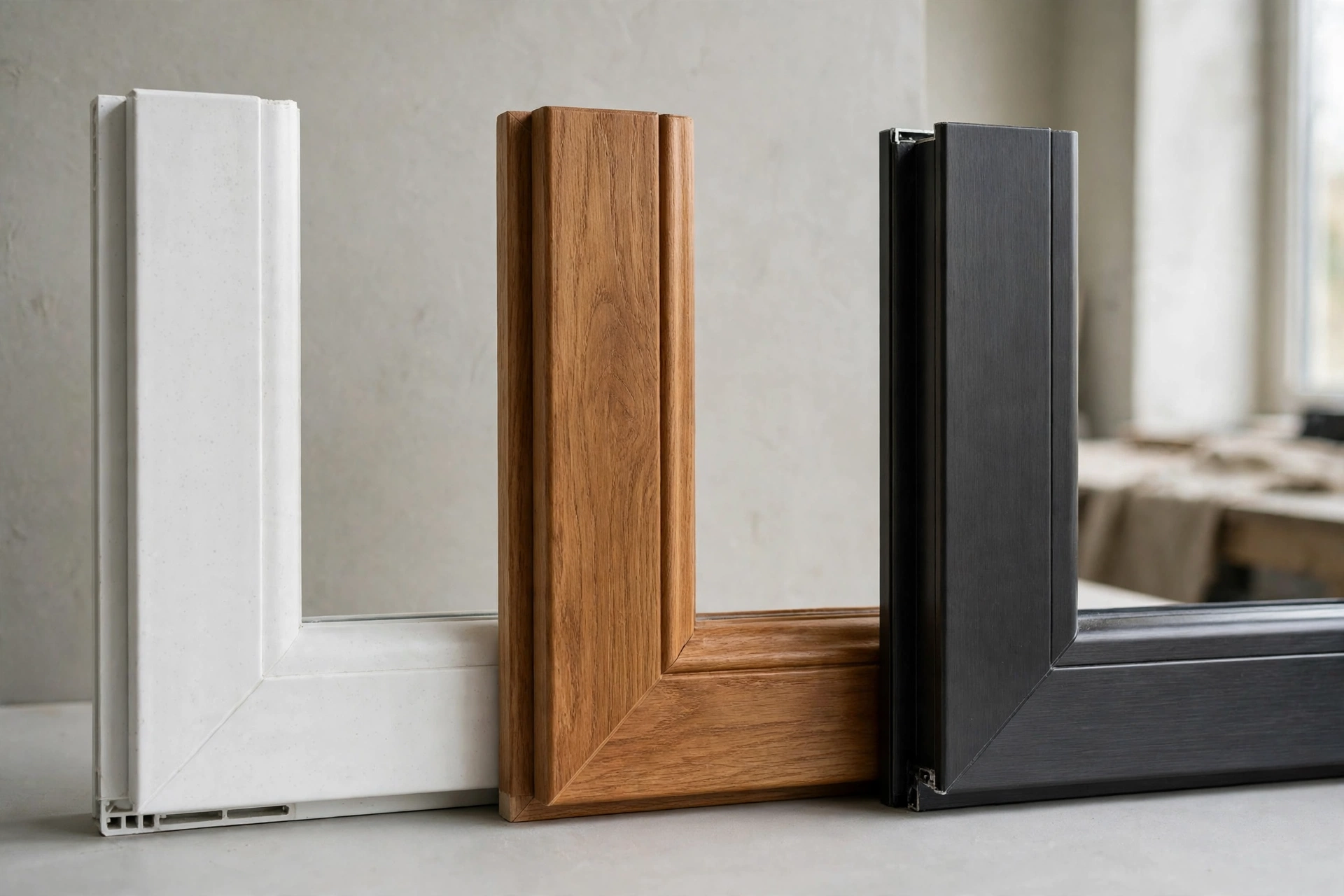
Frame materials matter because they decide how a window looks, how much care it needs, and how well it handles weather over time, with vinyl, wood, fibreglass and aluminium the most common choices. No single material is best for every home, so the comparison below is a useful starting point.
Vinyl frames are low maintenance, resist moisture and are widely used, though colour choices can be limited. Wood frames look warm and traditional and insulate well, but they need regular painting or sealing to protect them from weather. Fibreglass frames are strong, stable in changing temperatures and low maintenance, and they can be painted. Aluminium frames are slim, strong and modern-looking, but they conduct heat more readily unless they have a thermal break. Your climate, budget, home style and willingness to maintain the frames should all shape the choice.
| Frame material | Look and feel | Maintenance | Strengths | Watch out for |
|---|---|---|---|---|
| Vinyl | Clean, modern, many whites and some colours | Low | Resists moisture, simple care | Limited colour range, can expand in heat |
| Wood | Warm, traditional, paintable | Higher | Good insulation, classic appearance | Needs painting or sealing, can rot if neglected |
| Fibreglass | Neat, paintable, slim profiles | Low | Strong, stable in temperature changes | Fewer suppliers in some areas |
| Aluminium | Slim, modern, strong | Low | Strong, suits large panes | Conducts heat unless thermally broken |
Glass Options in Plain Language
Glass options for replacement windows go beyond a single clear pane, and the main choices are about how many panes, what fills the space between them, and whether a special coating is applied. Understanding these basics helps you compare quotes fairly, because two windows can look alike and perform very differently.
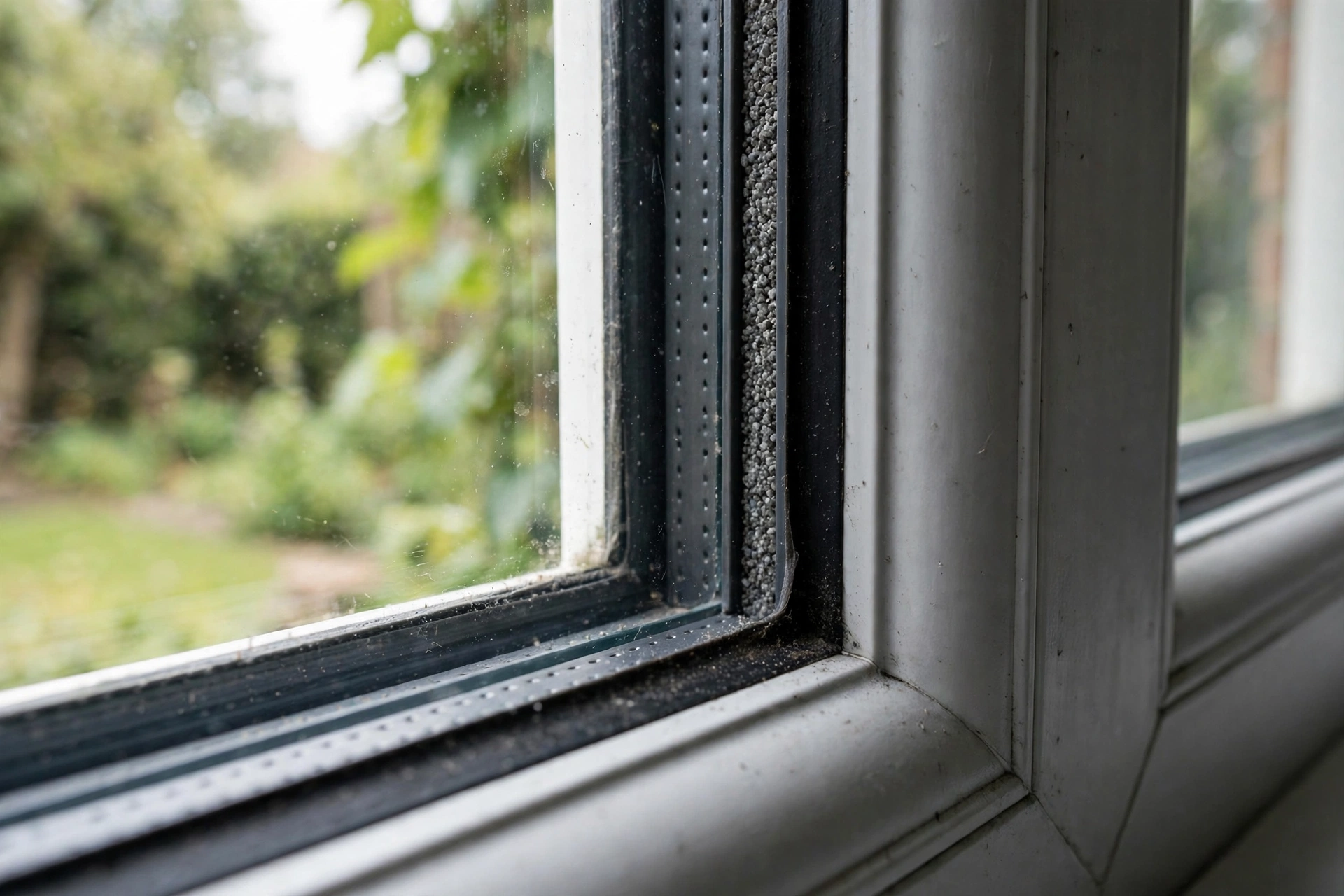
Most replacement windows today use double glazing, meaning two panes with a sealed gap between them, which insulates better than a single pane. Some use triple glazing, with three panes, for extra insulation and quieter rooms, though the units are heavier and the frames must be strong enough to carry them. The gap is often filled with an invisible gas that insulates better than plain air. A low-emissivity coating, a very thin layer on the glass, reflects heat back into the room in winter and helps keep heat out in summer, without noticeably darkening the glass. Toughened or laminated glass is another option worth asking about, especially for large panes, low windows, or homes where safety and security matter more than usual.
Energy Features Worth Understanding
Energy features on replacement windows are the details that decide how much heat escapes in winter, how much unwanted heat enters in summer, and how comfortable a room feels near the glass. You do not need to master the technical ratings, but you should know what to ask about.
Ask how well the window insulates, how much sunlight and heat it lets through, and whether it blocks draughts around the sash and frame. Good weather seals, a well-fitted frame and quality glazing all matter more than any single feature on its own, and a window that is poorly fitted will waste even the best glass. Also consider the direction each window faces: a sun-facing window may benefit from different glass than a shaded one, and rooms used mainly in the evening have different needs from rooms used all day. A supplier should explain these features in plain language for your home and climate, and be wary of anyone who promises savings without looking at your windows first or explaining how the figures were worked out.
Full-Frame vs Insert Replacement
Full-frame replacement and insert replacement are the two main ways a new window is fitted, and the difference comes down to whether the old frame stays or goes. In insert replacement, the new window is fitted inside the existing frame, which is quicker and less disruptive, provided the old frame is sound and square.
In full-frame replacement, the entire old window, including its frame, is removed down to the rough opening, and a completely new window and frame are fitted. This takes longer and disturbs more of the wall and trim, but it lets the installer fix hidden damage, improve insulation around the opening, and change the window size or style more freely. If your old frames are damaged, rotten or out of square, full-frame is usually the better choice, even though it costs more in time and work.
What Affects the Cost
The cost of replacement windows is affected by several factors, and understanding them helps you compare quotes fairly instead of choosing on the headline figure alone. Size is the most obvious factor, since larger windows use more material and glass, and unusual shapes or custom sizes usually cost more than standard ones.
Material and glass choices matter too, as do the number of panes, special coatings, and hardware such as locks and handles. The fitting method affects cost as well, with full-frame work usually involving more labour than insert fitting, and extra finishing work to trims and walls. Access can add to the work, for example windows above a conservatory or on an upper floor where scaffolding or special equipment is needed. Finally, the condition of the existing opening matters: hidden rot or damage found during fitting may need extra work, so ask how such surprises are priced before work starts. A clear written quote should list each of these separately, so you can see exactly what is included and what is not.

Questions to Ask a Supplier or Installer
Asking good questions before you buy replacement windows protects you from vague quotes and surprise extras, and a good supplier should welcome them. Start with the window itself, then move on to fitting, guarantees and aftercare, and write down the answers so you can compare suppliers fairly.
- What frame material and glass combination do you recommend for my home, and why?
- Is this an insert or a full-frame replacement, and what happens to the old frame?
- Does the quote include measuring, fitting, finishing trim, and removing old windows?
- What guarantees cover the window, the glass seal, and the installation work?
- How long will fitting take, and what disruption should I expect?
- Who do I contact if a window sticks, draughts or mists up afterwards?
If answers are vague, or pressure is put on you to decide on the spot, take time to compare another supplier. A window purchase should never feel rushed.

What to Expect on Installation Day
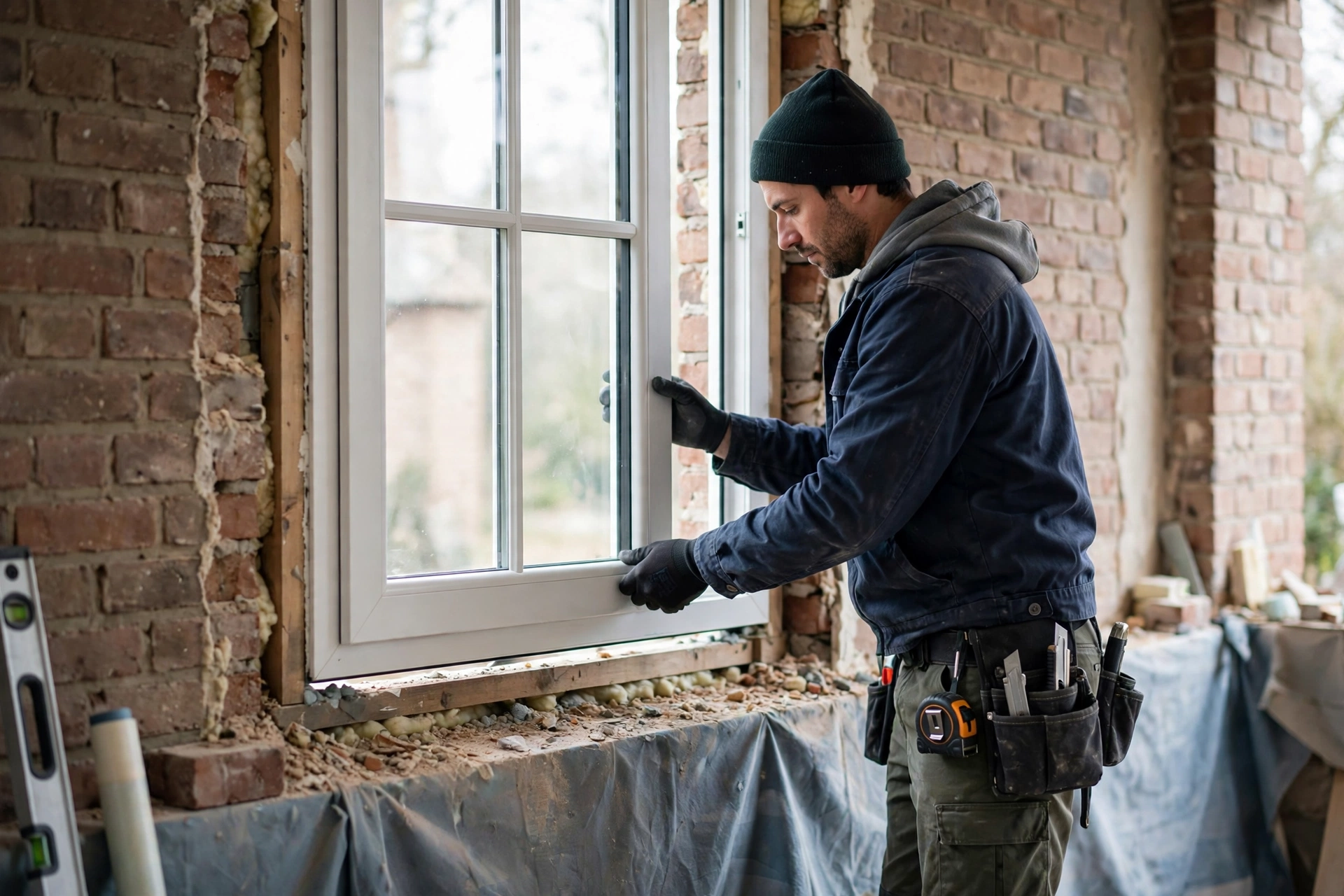
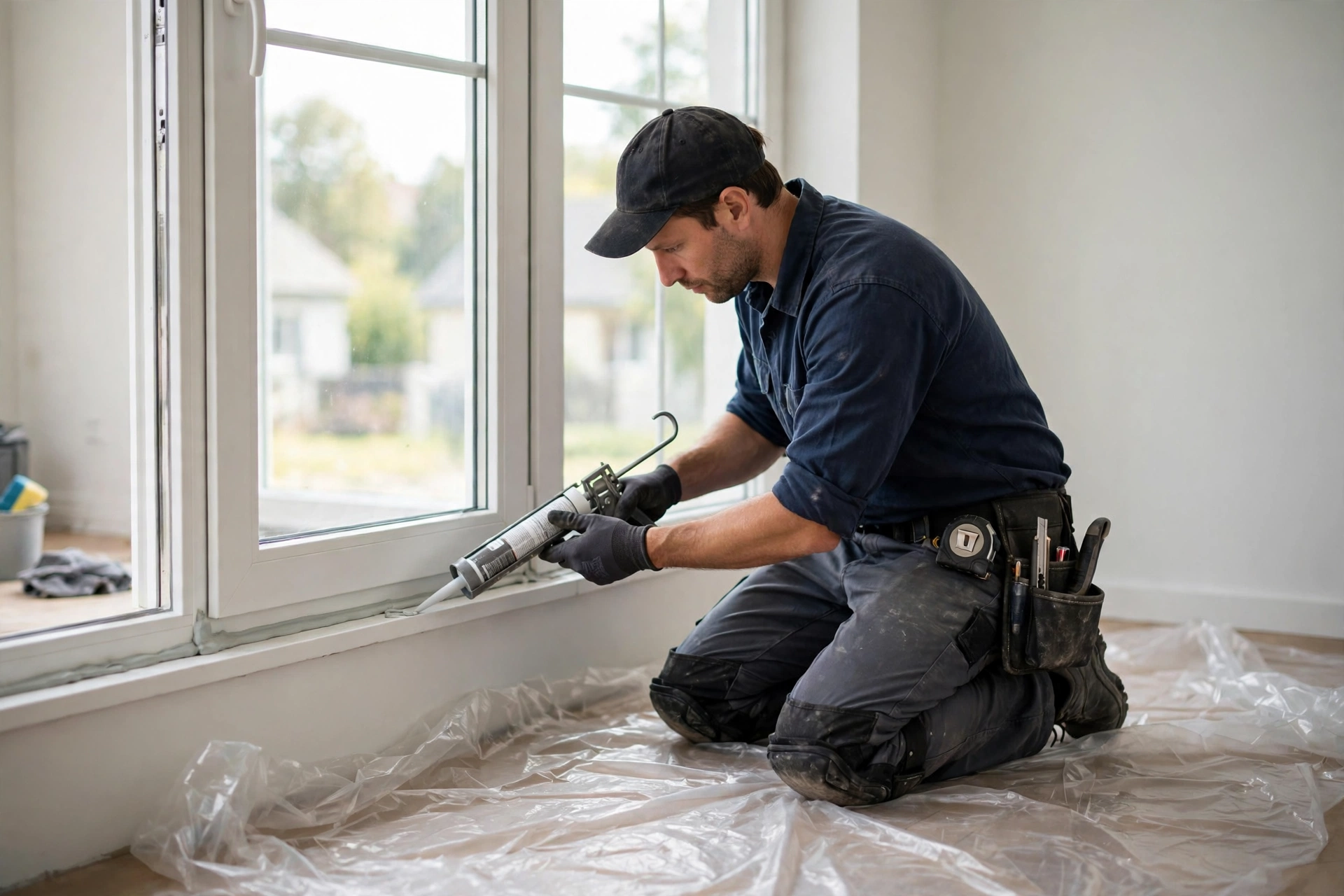
On installation day, expect the fitters to protect floors and furniture near each window, remove the old window, fit the new one, seal and insulate around it, and test that it opens, closes and locks properly. The work usually proceeds one window at a time, so your home is never left wide open for long.
A typical day follows a simple order. First, the area around the window is prepared and protected, and nearby furniture is moved or covered. Second, the old sash and, for full-frame work, the old frame are removed carefully, with dust kept as contained as possible. Third, the new window is set in place, levelled and fixed, and checked for square before it is sealed. Fourth, gaps are insulated and sealed, and interior and exterior trim is finished. Finally, the fitter should show you how the window works, including locks, vents and any tilt or cleaning features, clean up debris, and take the old windows away if that was agreed. If anything looks wrong, raise it before the fitters leave, while it is still easy to put right.
Common Mistakes to Avoid
Common mistakes when buying replacement windows are usually avoidable, and most come from rushing the decision or comparing quotes that do not cover the same work. One frequent mistake is choosing on the lowest price alone, without checking what glass, material and fitting method the price actually includes.
Another is measuring carelessly or assuming all windows in a room are the same size, which can lead to delays or poor fits. A third is ignoring the condition of the existing frame, especially for insert replacement, where a damaged frame undermines a new window. A fourth is ordering without checking guarantees for the window, the glass seal and the fitting work separately. Finally, avoid signing under pressure: a good supplier will let you compare quotes and sleep on the decision.
Conclusion
Buying replacement windows well comes down to a simple order: notice the signs, measure carefully, understand the types and materials, compare glass and energy features fairly, choose between insert and full-frame fitting, and ask clear questions before you commit. Each step protects the next, and skipping one usually shows up later as a poor fit or a disappointing result.
Take your time, compare written quotes that cover the same work, and choose a supplier who explains options plainly and answers questions without pressure. Done that way, replacement windows should bring more comfort, less draught, easier operation and a fresher look to your home for years to come.
Frequently Asked Questions
How do I know if I need replacement windows?
You may need them if windows draught, stick, mist between panes, or show warped, cracked or rotting frames, especially when several windows share the same problems.
Should I choose insert or full-frame replacement?
Choose insert replacement when the existing frame is sound and square, and full-frame replacement when frames are damaged, rotten or out of square, or you want a size change.
What is the best frame material for replacement windows?
There is no single best material. Vinyl is low maintenance, wood looks traditional, fibreglass is strong and stable, and aluminium suits slim modern designs.
Do replacement windows really help with draughts?
Well-fitted replacement windows with good seals and glazing usually reduce draughts noticeably, though results depend on fitting quality and the condition of the opening.
How long does window replacement take?
Timing varies with the number of windows and the fitting method, but installers usually work through one window at a time and should give a clear schedule before starting.
Disclaimer: This article is provided for general information only. It is not professional window, building, or installation advice, and it does not promote any brand, product, or service. Window types, materials, and suitability vary by home and location, so always check the guidance for your own home and seek qualified advice before making a purchase or installation decision.
Thanks for visiting Clearise Cleaning Services! Discover more helpful tips and expert cleaning insights by exploring our related categories.