Learning how to clean a leather couch may sound simple, but doing it the right way makes a big difference. A leather couch is not just another piece of furniture—it adds style, comfort, and value to your home. But without proper care, it can quickly lose its shine, develop cracks, or even start to smell.
Proper cleaning matters for three main reasons. First, it keeps your couch looking fresh and attractive. Second, it helps extend the life of the leather, saving you money in the long run. Third, it improves hygiene by removing dust, bacteria, and everyday dirt that builds up over time.
Many people make common mistakes when cleaning leather. Some use too much water, while others apply harsh cleaners that damage the surface. Even something as simple as scrubbing too hard can leave marks or fade the color. These small mistakes can lead to permanent damage.
In this guide, you will learn how to clean a leather couch safely and effectively at home. From basic cleaning methods to handling stains and odors, everything is explained in simple, practical steps so you can take care of your couch with confidence.
How to Clean Leather Couch (Step-by-Step)
| Step | What to Do | Key Tip |
| 1 | Vacuum the couch | Use soft brush to avoid scratches |
| 2 | Prepare mild soap solution | Use baby soap or Dove in water |
| 3 | Wipe gently with cloth | Keep cloth slightly damp, not wet |
| 4 | Remove soap residue | Use clean damp cloth |
| 5 | Dry immediately | Prevent water spots |
| 6 | Apply conditioner (optional) | Keeps leather soft and crack-free |
Understanding Your Leather Couch Before Cleaning
Before you start cleaning, it is important to understand what type of leather your couch is made from. Not all leather is the same, and using the wrong method can cause damage.
Finished leather is the most common type. It has a protective coating that makes it more resistant to stains and easier to clean. Unfinished leather, often called aniline leather, is softer and more natural but also more delicate. It absorbs liquids quickly and requires extra care. Bonded leather is made from leftover leather pieces and is less durable. Faux leather, on the other hand, is not real leather and behaves more like plastic.
Each type needs slightly different care. For example, finished leather can handle mild cleaning solutions, while unfinished leather needs very gentle handling with minimal moisture. Understanding this helps you avoid using the wrong products.
Before applying any cleaner, always check your couch carefully. Look for tags or labels that mention cleaning instructions. If there are none, test your cleaning solution on a small hidden area. This simple step can prevent discoloration or damage.
Basic Cleaning Method for Leather Couch at Home
If you are wondering how to clean leather sofa at home safely, the good news is that the process is simple when done correctly.
Start by removing loose dirt and dust. Use a vacuum cleaner with a soft brush attachment to clean the surface, including the creases and seams. This step prevents dirt from scratching the leather during cleaning.
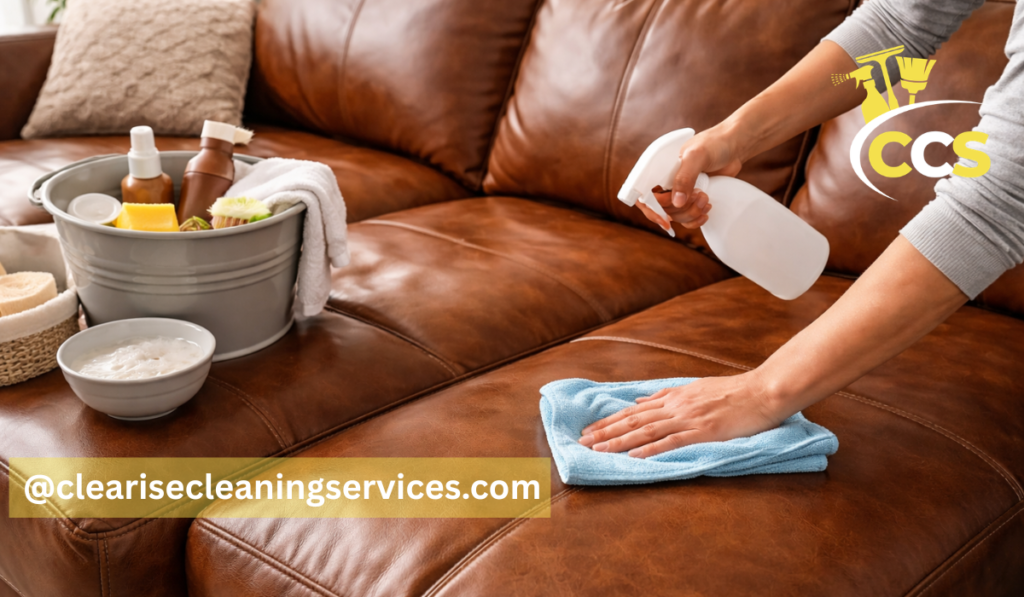
Next, prepare a gentle cleaning solution. Mix a few drops of mild soap with distilled water. Avoid strong detergents or chemical cleaners. Dip a microfiber cloth into the solution and wring it out so it is only slightly damp.
Gently wipe the couch using small, circular motions. Do not scrub or press too hard. The goal is to clean the surface without damaging it. After wiping, use another clean cloth dampened with plain distilled water to remove any soap residue.
Finally, dry the couch immediately using a soft, dry towel. Leaving moisture on leather can cause stains or damage over time.
How to Clean Leather Couch Naturally Without Harsh Chemicals
Many people prefer natural methods when learning how to clean leather couch without leather cleaner. Natural cleaning can be effective and safer for both your furniture and your home environment.
One of the simplest methods is using a mild soap and water mixture. Another option is using a slightly damp cloth with a few drops of natural oil soap. These solutions are gentle and help maintain the leather’s natural look.
Natural cleaning works best for light dirt and regular maintenance. However, for deep stains or heavy buildup, commercial leather cleaners may be more effective. The key is to choose what suits your couch’s condition.
If you want to clean your couch naturally, always use minimal moisture and avoid soaking the leather. Gentle cleaning is always better than aggressive methods.
Quick Comparison: Cleaning Methods
| Method | Best For | Safe for Leather | Risk Level |
| Mild Soap + Water | Regular cleaning | Yes | Low |
| Vinegar Solution | Light stains, odor | Limited use | Medium |
| Natural Cleaning | Gentle care | Yes | Low |
| Commercial Cleaner | Deep cleaning | Yes | Low |
| Harsh Chemicals | None | No | High |
Using Mild Soap Solutions Like Dove or Baby Soap
Using mild soap is one of the safest ways to clean leather furniture. Many people use products like Dove or baby soap because they are gentle and do not strip natural oils from the leather.
To clean leather couch with Dove soap, mix a very small amount with water. The solution should be light and not overly soapy. Dip a microfiber cloth into the mixture and squeeze out excess water.
Wipe the surface gently, focusing on areas that need cleaning. Avoid applying too much pressure. After cleaning, remove any soap residue with a clean, damp cloth.
It is important not to use too much soap. Excess soap can leave a film on the leather, making it look dull. Always keep the cleaning process light and controlled.
How to Clean Leather Couch with Vinegar (Safe Method)
Vinegar is another option people use when learning how to clean leather couch naturally. However, it should be used carefully.
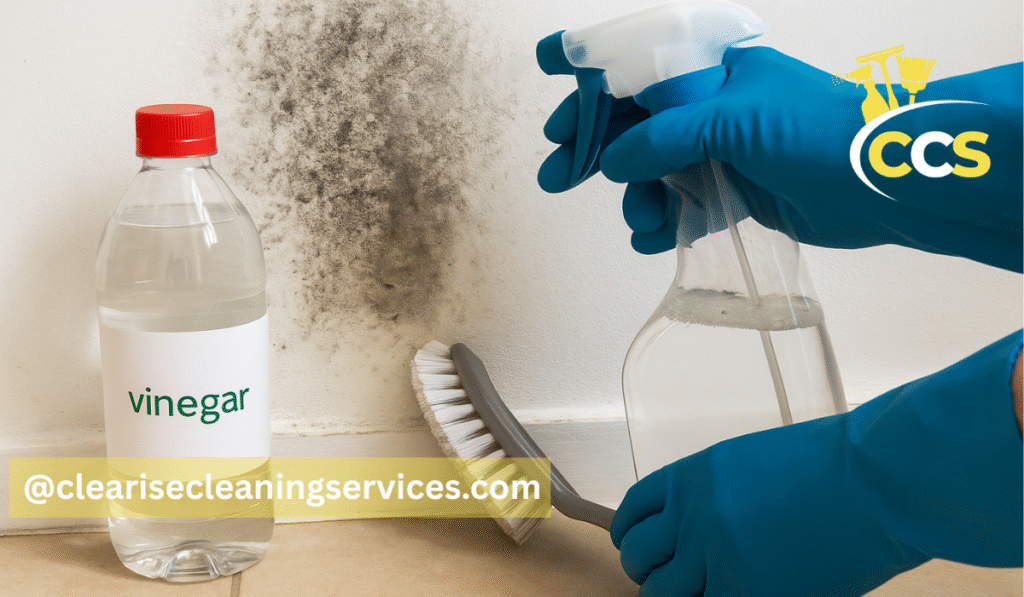
Mix equal parts of white vinegar and distilled water. This creates a mild solution that can help remove dirt and light stains. Apply it using a soft cloth and wipe gently.
Vinegar works well for cleaning and removing mild odors, but it should not be used frequently. Overuse can dry out the leather and cause it to lose its natural oils.
If you decide to use vinegar, always follow up with a dry cloth and consider applying a leather conditioner afterward to keep the surface soft.
How to Clean Leather Couch Stains Without Ruining the Surface
Stains are one of the biggest concerns when it comes to leather furniture. Knowing how to clean leather couch stains properly can help you avoid permanent marks.
The general rule is to act quickly. The sooner you address a stain, the easier it is to remove. Always blot the stain gently instead of rubbing it.
For oil or grease stains, sprinkle a small amount of baking soda or cornstarch on the area. Let it sit for several hours to absorb the oil, then wipe it away gently.
Ink stains can be tricky. Use a cotton swab with a small amount of rubbing alcohol and dab lightly on the stain. Be careful not to spread the ink.
For liquid spills, wipe immediately with a dry cloth, then clean gently with a damp cloth if needed. Always dry the area afterward.
Removing Odors from a Leather Couch
Sometimes, leather couches develop unpleasant smells due to spills, humidity, or lack of cleaning. Knowing how to clean a leather couch that smells is important for maintaining comfort.
Odors often come from trapped moisture or bacteria. Start by cleaning the surface gently using a mild solution. This removes the source of the smell.
You can also use baking soda as a natural deodorizer. Sprinkle a small amount on the couch, leave it for a few hours, and then vacuum it off.
Fresh air also helps. Place the couch in a well-ventilated area if possible. Avoid using strong air fresheners, as they can damage the leather.
Drying and Conditioning Leather After Cleaning
Drying your couch properly is just as important as cleaning it. Leather does not react well to moisture, so it should always be dried immediately after cleaning.
Use a clean, dry cloth to remove any remaining moisture. Avoid using heat sources like hair dryers or heaters, as they can cause the leather to crack.
Conditioning is an important step that many people skip. Leather needs moisture to stay soft and flexible. Applying a leather conditioner every few months helps prevent cracks and fading.
Choose a good-quality conditioner and apply it in small amounts. This keeps your couch looking fresh and extends its lifespan.
Professional vs DIY Leather Sofa Cleaning
While many people prefer to clean their couch at home, there are times when professional cleaning is the better option.
Learning how to clean leather sofa professionally can help you understand when to seek expert help. Professionals use specialized tools and products that can handle deep cleaning without damaging the leather.
DIY cleaning is suitable for regular maintenance and light dirt. It is cost-effective and easy to manage. However, for tough stains, strong odors, or delicate leather, professional cleaning may be worth the cost.
Balancing both methods ensures your couch stays in the best condition.
Common Mistakes to Avoid When Cleaning Leather Couch
Many problems occur because of simple mistakes. Using too much water is one of the most common issues. Leather absorbs moisture, which can lead to swelling or damage.
Harsh chemicals like bleach or ammonia should never be used. These products strip the leather’s natural oils and cause permanent damage.
Another mistake is using heat to dry the couch. Direct sunlight or heaters can make the leather brittle and cause cracks over time.
Avoiding these mistakes can save your couch from unnecessary damage.
Routine Maintenance to Keep Your Leather Couch Looking New
Regular care is the key to keeping your leather couch in good condition. Dusting the surface weekly with a soft cloth helps prevent dirt buildup.
Cleaning the couch lightly every few weeks keeps it fresh and clean. Avoid waiting until it looks dirty, as this can make cleaning more difficult.
Keep your couch away from direct sunlight and heat sources. This helps maintain its color and texture.
Long-term care also includes conditioning the leather and handling spills quickly. These small habits make a big difference over time.
Conclusion
Understanding how to clean leather couch the right way can help you protect your furniture and keep it looking beautiful for years. Simple methods like gentle cleaning, proper drying, and regular maintenance go a long way.
By avoiding harsh chemicals, limiting moisture, and taking care of stains quickly, you can maintain the quality of your leather couch without stress. Regular care not only improves appearance but also extends the life of the material.
With the right approach, cleaning your leather couch becomes easy and safe. Following these simple steps will help you enjoy a clean, comfortable, and long-lasting piece of furniture in your home.
FAQs
How Often Should I Clean A Leather Couch?
You should lightly clean your leather couch every 2–4 weeks and do a deeper cleaning every 2–3 months. Regular dusting helps prevent buildup, keeping the leather fresh and extending its life.
Can I Clean A Leather Couch Without A Leather Cleaner?
Yes, you can clean a leather couch without a leather cleaner by using mild soap and water or natural methods. Just make sure the cloth is slightly damp and always avoid soaking the leather.
Is Vinegar Safe For Cleaning Leather Couches?
Vinegar can be used in small amounts mixed with water for light cleaning, but it should not be used often. Overuse can dry out leather and cause damage, so always follow with conditioning.
What Is The Best Way To Remove Stains From A Leather Couch?
The best way is to act quickly. Blot the stain gently, then use a mild cleaning solution. For oil stains, baking soda works well, while ink stains can be treated carefully with rubbing alcohol.
Why Does My Leather Couch Smell And How Can I Fix It?
Leather couches can smell due to moisture, spills, or bacteria buildup. Clean the surface gently and use baking soda to absorb odors. Proper ventilation also helps remove unwanted smells naturally.
Disclaimer: This article is for general informational purposes only. Always test any cleaning method on a hidden area first, as different leather types may react differently. For delicate or expensive furniture, consider professional cleaning advice.
Thanks for visiting Clearise Cleaning Services! Discover more helpful tips and expert cleaning insights by exploring our related categories.