Vinyl flooring has become a popular choice in modern homes because it is affordable, durable, and easy to maintain. Whether you have vinyl planks, sheets, or tiles, this type of flooring is designed to handle daily wear while still looking clean and attractive. However, many people assume that vinyl floors can handle anything, which often leads to cleaning mistakes that reduce their lifespan.
Learning how to clean vinyl flooring properly is important if you want to keep its shine and avoid long-term damage. While vinyl is known for being low maintenance, it still needs the right care. Using too much water, harsh chemicals, or the wrong tools can cause fading, warping, or a dull appearance over time.
A common mistake people make is thinking that more water equals better cleaning. In reality, soaking vinyl floors can damage the adhesive underneath or allow moisture to seep into seams. Another mistake is using strong cleaners like bleach or ammonia, which may clean quickly but can harm the protective layer of the floor.
In this guide, you will learn simple and effective ways to clean vinyl flooring safely. From everyday cleaning to deep cleaning and stain removal, this article will walk you through modern, proven methods that protect your floors while keeping them spotless.
How to Clean Vinyl Flooring Properly
| Step | What to Do | Why It Matters |
| 1 | Sweep or vacuum (no beater bar) | Removes dirt that can scratch the surface |
| 2 | Prepare a mild cleaner (pH-neutral or vinegar mix) | Prevents damage to the protective layer |
| 3 | Use a damp microfiber mop (not wet) | Avoids water seeping into seams |
| 4 | Mop gently in sections | Ensures even cleaning without streaks |
| 5 | Rinse lightly with clean water | Removes residue buildup |
| 6 | Dry with cloth or air dry | Prevents water spots and dullness |
Understanding Vinyl Flooring and Why It Needs Gentle Cleaning
Vinyl flooring is different from materials like wood or tile. It is made from synthetic materials and usually has a protective wear layer on top. This top layer is what gives the floor its shine and protects it from scratches, stains, and moisture.
Because of this protective layer, vinyl flooring does not need aggressive cleaning. In fact, harsh methods can damage it. The wear layer is strong but not indestructible. Once it is worn down, the floor can lose its shine and become more prone to damage.
Excess water is one of the biggest risks. Vinyl may be water-resistant, but that does not mean it is waterproof in every situation. Water can seep into the edges or seams, especially in click vinyl flooring, causing swelling or weakening the glue underneath.
Heat is another concern. Steam mops may seem like a good idea, but the heat can warp the vinyl and damage its structure. Similarly, strong chemicals can break down the finish and lead to discoloration.
This is why gentle cleaning is always the best approach. When you understand how vinyl flooring works, it becomes easier to choose the right cleaning method and avoid costly mistakes.
Essential Tools and Products for Cleaning Vinyl Flooring
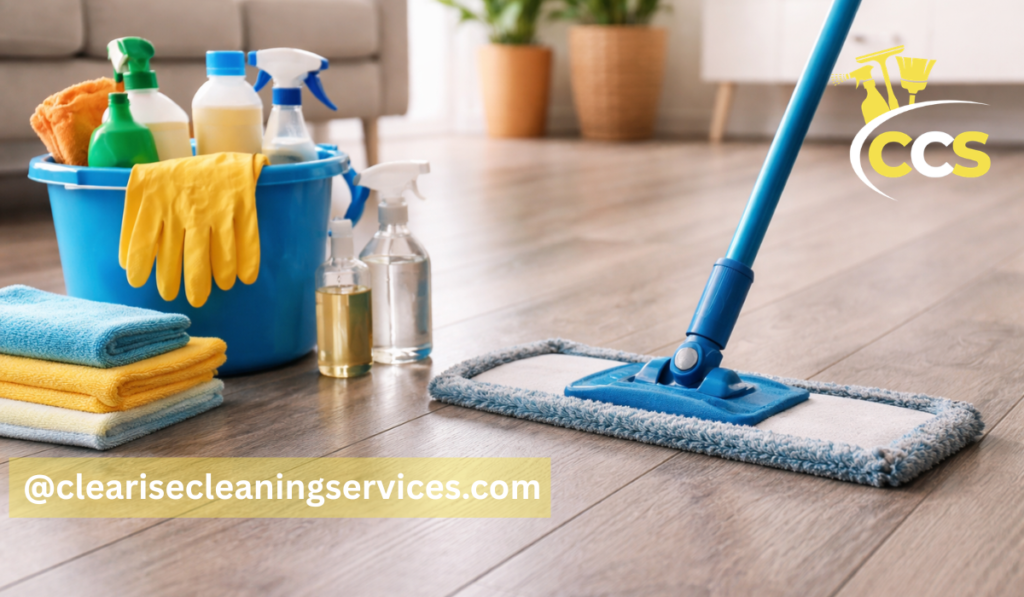
To clean vinyl flooring safely, you need the right tools and products. One of the most important tools is a microfiber mop. A microfiber mop is soft, effective, and designed to pick up dirt without scratching the surface. Unlike rough brushes or traditional mops, it cleans gently while still being efficient.
Choosing the right cleaner is equally important. A pH neutral vinyl floor cleaner is the safest option because it does not harm the protective layer. These cleaners are specially made for vinyl surfaces and leave no residue behind. Many homeowners prefer trusted products like Bona vinyl floor cleaner because they are designed for daily use and are easy to apply.
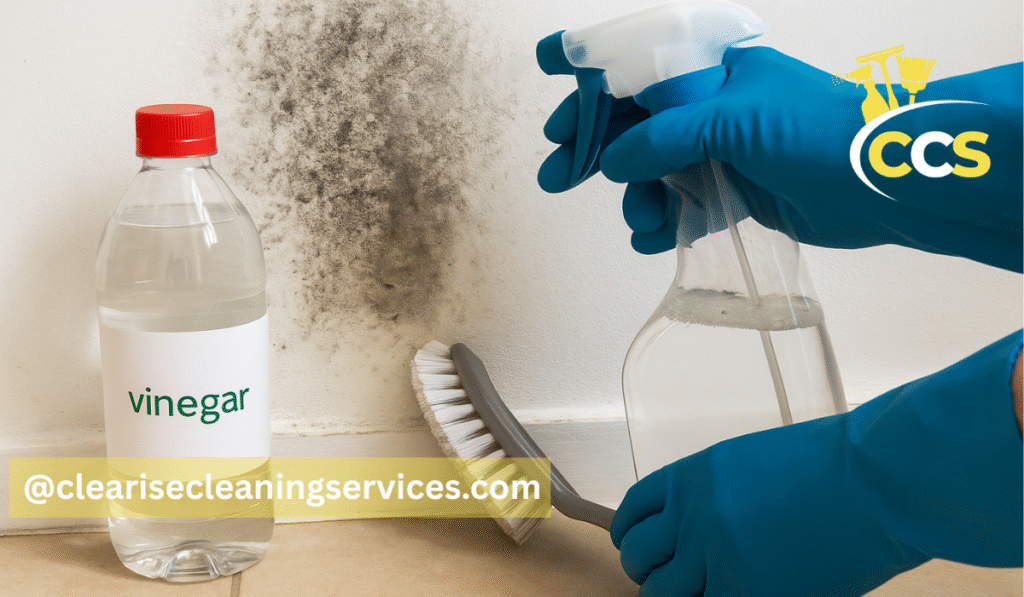
If you prefer a DIY option, a simple mixture of vinegar and water can work well. This is especially useful for light cleaning and removing mild dirt. However, it is important to use the correct ratio and avoid overusing vinegar, as too much acidity can affect the finish over time.
The key is to keep things simple. You do not need expensive or complicated tools. A good microfiber mop, a gentle cleaner, and a soft cloth are enough to keep your vinyl flooring clean and well-maintained.
Cleaning Methods for Vinyl Flooring
| Method | Safe or Not | Best Use | Notes |
| Microfiber Mop + pH Cleaner | ✅ Safe | Daily cleaning | Best overall method |
| Vinegar + Water | ✅ Safe (limited use) | Light dirt & grease | Do not overuse |
| Steam Mop | ❌ Not Safe | Never recommended | Heat damages vinyl |
| Bleach / Ammonia | ❌ Not Safe | Avoid completely | Causes discoloration |
| Abrasive Scrubbers | ❌ Not Safe | Never use | Scratches surface |
Step-by-Step Process: How to Clean Vinyl Flooring Properly
Cleaning vinyl flooring the right way does not require a lot of effort, but it does require the correct steps. The process begins with removing loose dirt and debris. Dust, sand, and small particles can scratch the surface if left on the floor. Sweeping with a soft broom or using a vacuum in bare floor mode is the safest way to start.
Once the floor is free of loose dirt, the next step is preparing a cleaning solution. This can be a commercial vinyl floor cleaner or a DIY mixture like vinegar and warm water. The important thing is to avoid strong chemicals and stick to gentle solutions.
After that, you can begin mopping. The key here is to use a damp mop, not a soaking wet one. Dip your microfiber mop into the solution and wring it out thoroughly. The mop should be slightly damp, not dripping. This prevents water from getting into seams or damaging the adhesive.
Finally, go over the floor again with clean water if needed to remove any residue. Drying the floor with a clean cloth or allowing it to air dry helps prevent streaks and keeps the surface looking fresh.
How to Deep Clean Vinyl Floors Without Causing Damage
Sometimes regular cleaning is not enough, especially in high-traffic areas. Deep cleaning becomes necessary when dirt builds up over time or when the floor starts to look dull.
To deep clean vinyl floors safely, you should follow a gentle approach. Start by thoroughly sweeping or vacuuming the floor. Then use a slightly stronger but still safe cleaning solution. A pH neutral cleaner works well for this purpose.
Focus on areas that collect more dirt, such as corners, edges, and seams. These spots often require extra attention because dirt can settle there unnoticed. Using a soft cloth or a gentle scrub can help remove buildup without damaging the surface.
It is important to avoid aggressive scrubbing or excessive water during deep cleaning. The goal is to lift dirt while protecting the floor’s structure. With the right method, deep cleaning can restore the floor’s appearance without causing harm.
How to Clean Vinyl Floors With Ground-In Dirt
Ground-in dirt can be more challenging to remove because it becomes embedded in the surface over time. This often happens in busy areas like hallways or kitchens.
The first step is to loosen the dirt gently. Using a damp microfiber mop with a suitable cleaner can help break down the dirt without scratching the floor. Letting the solution sit for a short time can also make it easier to remove stubborn grime.
For tougher spots, a soft cloth or sponge can be used to rub the area lightly. It is important to avoid using abrasive tools, as they can leave permanent marks on the vinyl.
Regular cleaning can prevent dirt from becoming embedded in the first place. By staying consistent, you can avoid the need for more intensive cleaning later on.
How to Clean Vinyl Flooring With Vinegar Safely
Vinegar is a popular and affordable cleaning solution for vinyl flooring. When used correctly, it can help remove dirt and leave the floor looking clean without leaving residue.
The correct ratio is usually one cup of vinegar mixed with one gallon of warm water. This creates a mild solution that is strong enough to clean but gentle enough to protect the surface.
Vinegar works best for everyday cleaning and light dirt. It is especially useful for removing grease and mild stains. However, it should not be used too frequently or in high concentrations, as it can slowly affect the finish of the floor.
If your vinyl flooring has a special coating or manufacturer recommendations, it is always best to follow those guidelines. Vinegar is helpful, but it is not always the best choice for every situation.
Best Cleaner for Vinyl Plank Floors and Click Vinyl Flooring
Modern vinyl flooring often comes in the form of planks or click systems. These floors are designed to look like wood while offering the benefits of vinyl.
When choosing the best cleaner for vinyl plank floors, it is important to select a product that is specifically made for this type of surface. A good vinyl floor cleaner liquid should be gentle, residue-free, and safe for regular use.
Click vinyl flooring requires extra care because of its seams. Water can easily seep between the planks if too much is used. This is why damp mopping is always recommended instead of wet mopping.
Using the right cleaner and method ensures that your vinyl plank flooring stays in good condition and maintains its appearance over time.
How to Clean White Vinyl Floors Without Yellowing or Stains
White vinyl floors can make a space look bright and clean, but they also show dirt more easily. Even small stains or dust can become noticeable.
To keep white vinyl floors looking fresh, regular cleaning is essential. Using a gentle cleaner and a microfiber mop helps remove dirt without causing damage. It is also important to clean spills quickly to prevent staining.
Avoid using harsh chemicals or products that can cause discoloration. Over time, these can lead to yellowing or dullness. Instead, stick to safe cleaning methods and products designed for vinyl flooring.
With proper care, white vinyl floors can stay bright and attractive for years.
How to Remove Common Vinyl Flooring Stains Effectively
Stains are a common issue, but they can usually be removed with the right approach. The key is to treat each type of stain carefully.
For food spills, a simple mixture of baking soda and water can help lift the stain without damaging the floor. Grease can be removed with a mild dish soap solution. Scuff marks can often be buffed away using a soft cloth or even a tennis ball.
For tougher stains like ink or lipstick, rubbing alcohol can be effective. Apply it gently using a soft cloth and avoid scrubbing too hard.
Knowing how to clean vinyl flooring stains properly can make a big difference in maintaining the overall look of your floors.
Common Mistakes to Avoid When Cleaning Vinyl Flooring
Many cleaning problems come from simple mistakes. One of the most common is using too much water. Excess water can seep into seams and cause damage over time.
Steam mops are another mistake. While they are effective for some surfaces, the heat can warp vinyl and weaken its structure. Abrasive tools like steel wool or hard brushes can also scratch the surface permanently.
Using harsh chemicals such as bleach or ammonia may seem effective, but they can damage the finish and lead to discoloration. Wax-based products can leave a sticky residue that attracts more dirt.
Avoiding these mistakes is just as important as using the right cleaning methods.
Simple Maintenance Tips to Keep Vinyl Flooring Looking New
Maintaining vinyl flooring does not have to be complicated. Simple habits can make a big difference in how your floors look over time.
Regular sweeping or vacuuming helps prevent dirt from building up. Using doormats can reduce the amount of debris brought into the home. Cleaning spills quickly prevents stains from setting in.
Protecting the floor from scratches is also important. Using furniture pads and avoiding dragging heavy items can help preserve the surface.
Consistent care ensures that your vinyl flooring stays clean, shiny, and durable for years.
Conclusion
Learning how to clean vinyl flooring the right way is essential for keeping it in good condition. By using gentle methods, the right tools, and safe cleaning solutions, you can protect the surface and maintain its shine.
Avoiding common mistakes like using too much water or harsh chemicals can prevent long-term damage. Regular cleaning and simple maintenance habits go a long way in preserving the beauty of your floors.
With the right approach, vinyl flooring can remain a practical and attractive choice for any home. Consistent, careful cleaning ensures that it continues to look fresh and last for many years.
FAQs
What Is The Best Way To Clean Vinyl Flooring Daily?
The best way is to sweep or vacuum first, then use a damp microfiber mop with a pH-neutral cleaner. Avoid soaking the floor, as too much water can damage seams and weaken the adhesive underneath.
Can I Use Vinegar To Clean Vinyl Flooring?
Yes, vinegar can be used in a diluted form, usually one cup per gallon of water. It works well for light cleaning, but frequent use may affect the finish, so it’s best to alternate with a pH-neutral cleaner.
How Do I Remove Tough Stains From Vinyl Flooring?
For tough stains, use gentle solutions like baking soda paste for food stains or rubbing alcohol for ink and lipstick. Always clean gently with a soft cloth to avoid scratching the surface.
Is A Steam Mop Safe For Vinyl Floors?
No, steam mops are not safe for vinyl flooring. The heat can warp the material and damage the adhesive, leading to long-term problems like bubbling or lifting of the floor.
How Often Should I Deep Clean Vinyl Floors?
Deep cleaning is usually needed once every few weeks or when the floor looks dull. High-traffic areas may need more frequent cleaning, but always use gentle methods to avoid damaging the surface.
Disclaimer: This content is for general informational purposes only. Cleaning methods may vary depending on your flooring type and manufacturer guidelines. Always test products on a small area first and follow the specific care instructions provided by your flooring manufacturer.
Thanks for visiting Clearise Cleaning Services! Discover more helpful tips and expert cleaning insights by exploring our related categories.