Room cleaning tips are practical steps for cleaning one room at a time, in a sensible order, so each room is finished before you move on, without one exhausting day. Cleaning room by room works because it gives you a clear start, a clear finish, and a visible result in every room.
A house often feels messy even when it is not dirty, because every room is half-tidy and half-cluttered. Room-by-room cleaning fixes that by focusing on one space at a time. You declutter, dust, wipe, and finish the floor in that room, then close the door on a finished space and move on, instead of carrying clutter from room to room all day.
This guide walks through the rooms in a normal home, giving each room its own priorities and shortcuts. It also covers a finishing pass for floors and shared spaces, and a short daily routine that keeps rooms tidy between deeper cleans.
Start With a Room-by-Room Plan
To clean room by room, list the rooms in order, decide how much time each room gets, gather supplies in one caddy, and finish one room completely before starting the next. A short plan prevents half-cleaned rooms and wasted trips between floors.
Start with the rooms that bother you most, or the rooms guests will see first, if visitors are coming. Either order works, as long as you do not jump between rooms. Set a time limit for each room, such as twenty minutes for a bathroom and thirty minutes for a living room, and stop when the time ends. You can always return to a room later, but a time limit keeps the whole house moving.
Carry supplies in one caddy, so you do not fetch cloths and cleaners room by room. Keep a rubbish bag in the caddy, so clutter leaves each room as you clean it. If you live with others, share the room list, because room-by-room cleaning is much faster when rooms are split between people.

Kitchen: Clear, Wipe, and Finish the Floor
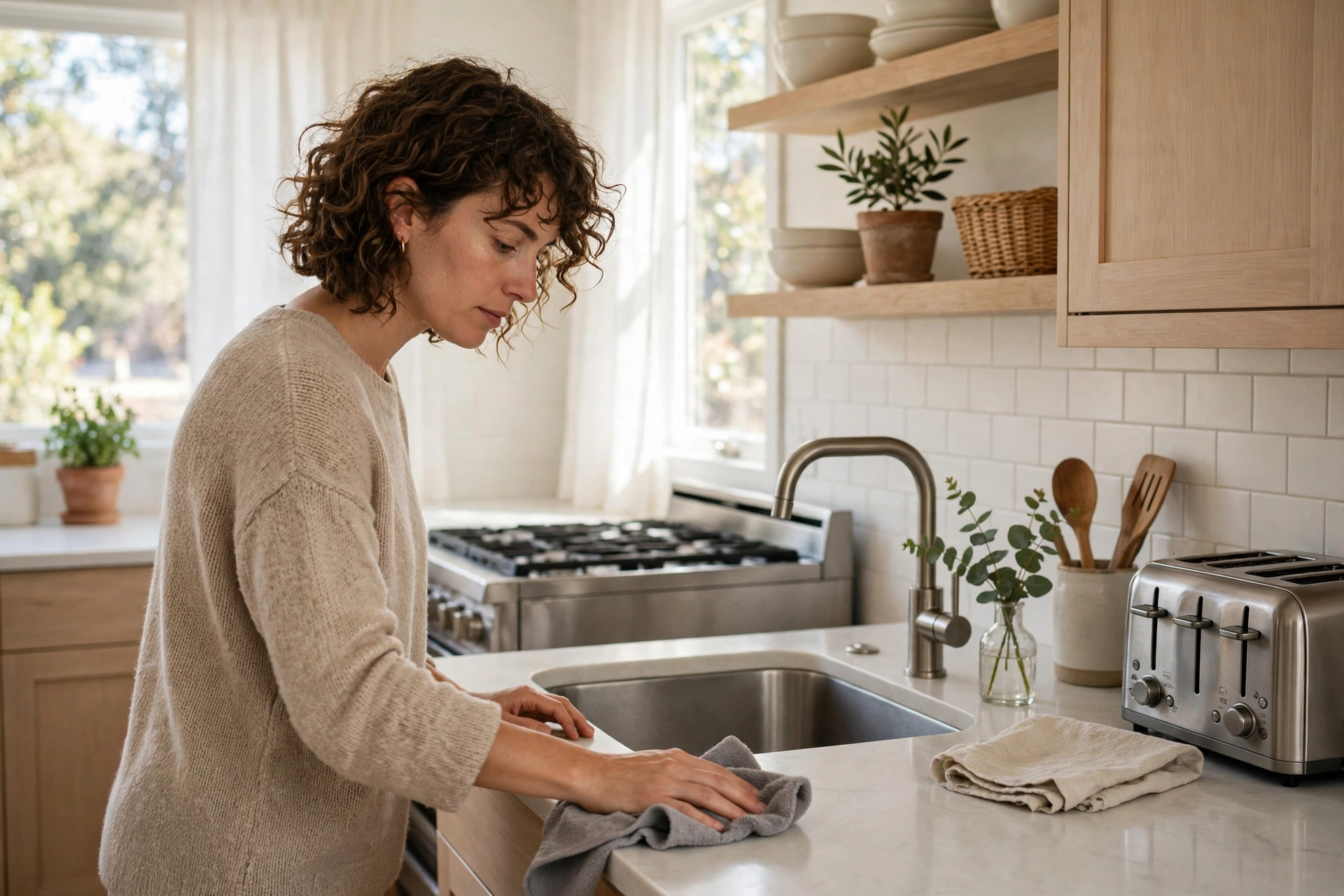
To clean a kitchen room well, clear the counters, wipe them with a cleaner suited to the material, clean the sink and taps, wipe appliance fronts and cabinet doors, take out rubbish, and sweep the floor. A clear counter makes the whole kitchen look cleaner at once, so start there.
Put dishes away, clear small appliances you do not use daily, and throw away empty packaging. Wipe counters from the cleanest area toward the stove, where grease collects, rinse, and dry them. Clean the sink with dish soap or baking soda paste, descale the tap if mineral marks are present, and wipe the outside of the refrigerator, oven, and microwave.
Wipe cabinet fronts and handles, especially near the stove, and take out rubbish and recycling. Sweep the floor, and mop only if it needs it, since a full floor wash can be part of a deeper kitchen clean. If time is short, skip the inside of cabinets and the oven, and focus on counters, sink, and floor, which give the biggest visible result.
Bathroom: Wet Zones First, Floor Last
To clean a bathroom room well, spray the shower and toilet first, let the cleaner sit, wipe the mirror and sink, scrub and rinse, dry the glass and taps, and mop the floor last. Letting the cleaner sit first means less scrubbing and a faster bathroom clean.
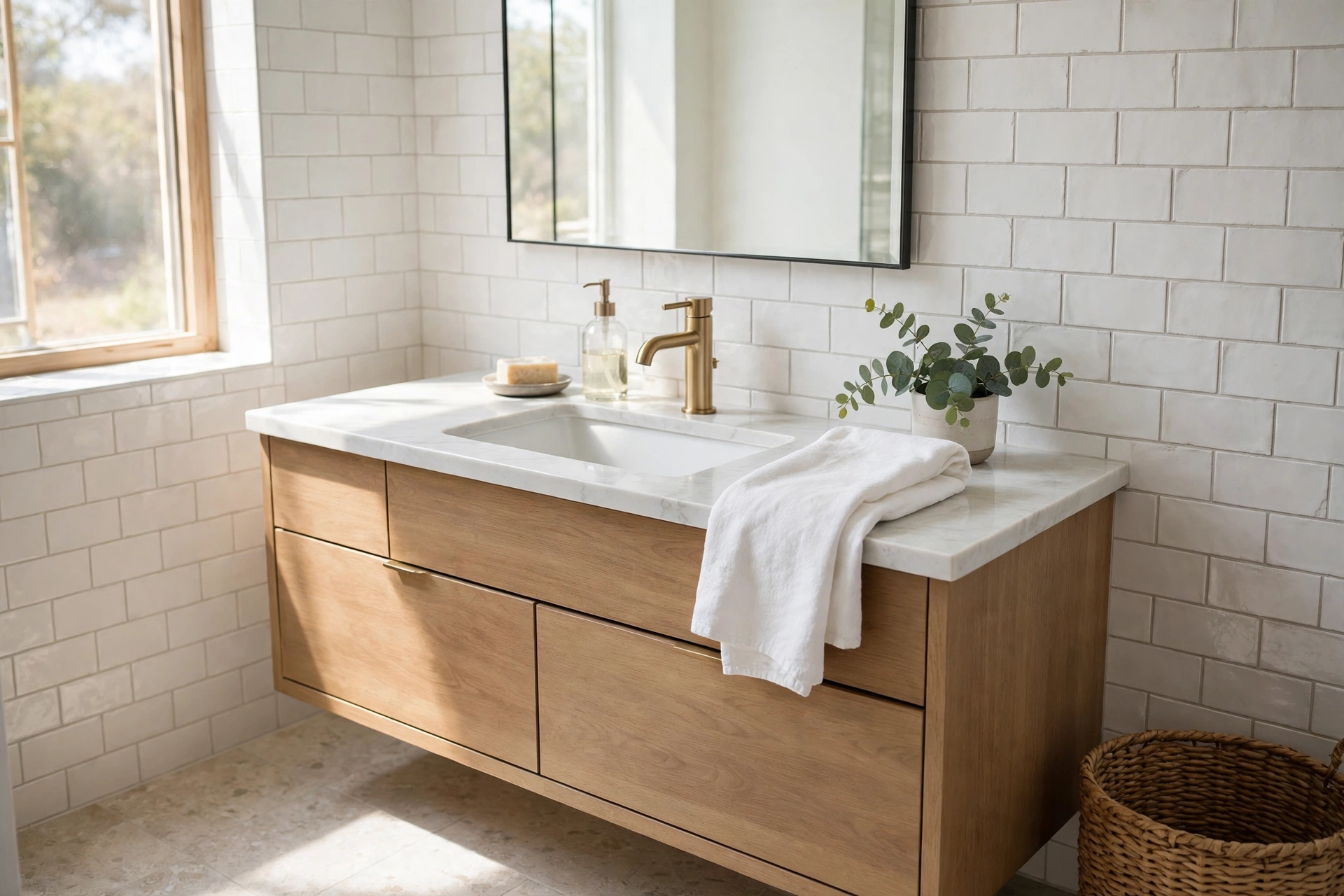
Apply bathroom cleaner to the shower walls and toilet bowl first, so it can work while you clean the mirror and sink. Wipe the mirror with a cloth and buff it dry, clean the basin and taps with warm soapy water, and wipe vanity fronts and handles. Scrub the toilet bowl, wipe the seat, lid, handle, and base with a separate cloth, and flush.
Rinse the shower well, dry the glass if you can, and sweep and mop the floor, working toward the door. Replace hand towels with clean ones, take out the bin, and leave the fan on until the room is dry. If time is short, skip grout and cabinet insides, and focus on the toilet, sink, mirror, and floor, which matter most for daily use.
Living Room: Order, Dust, and Soft Furnishings
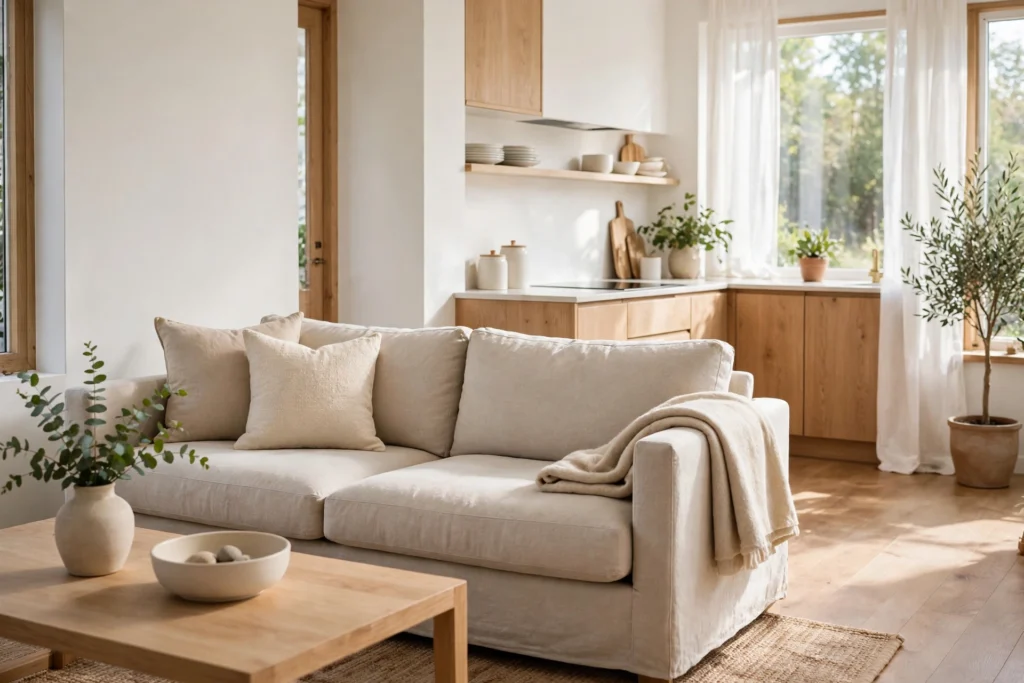
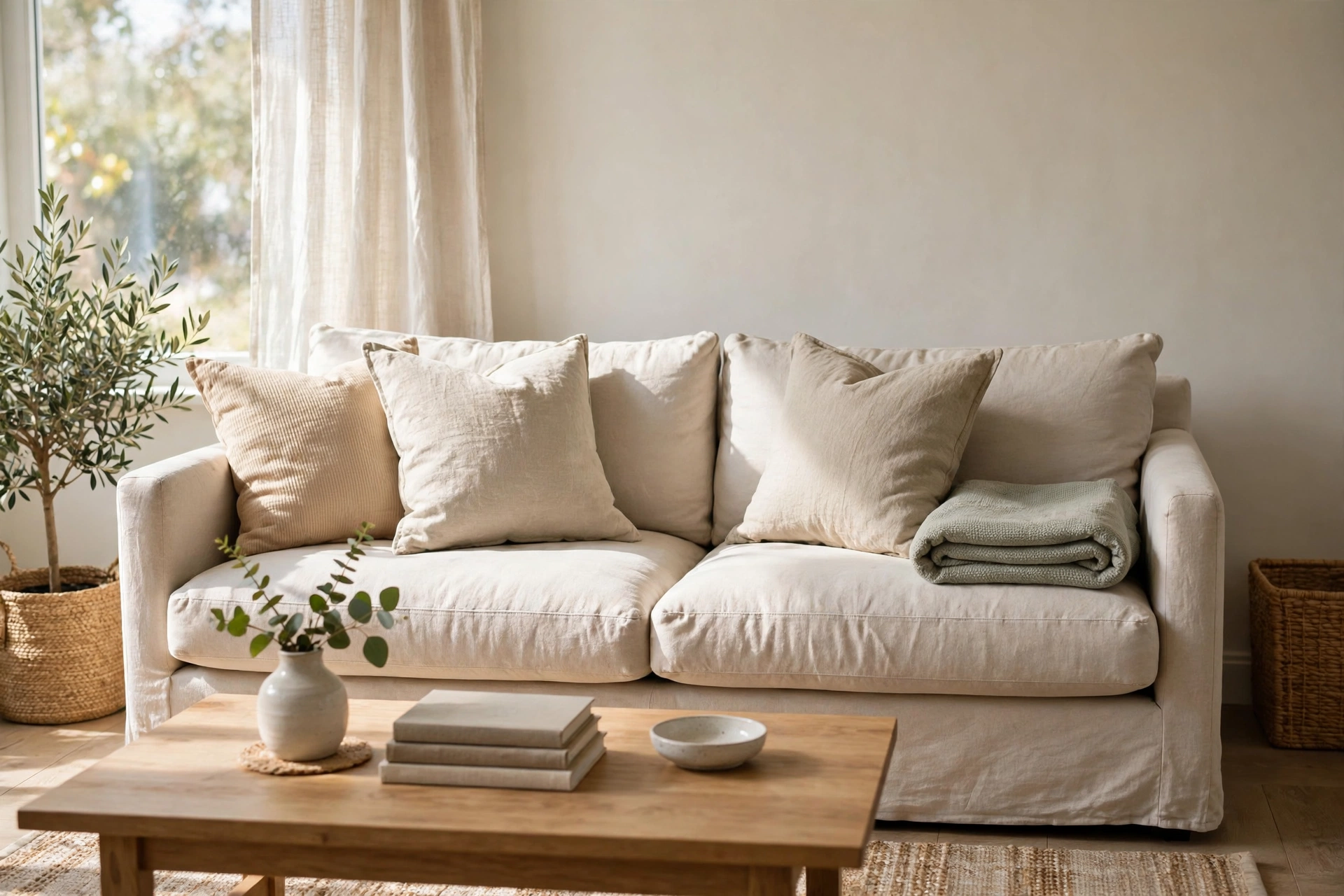
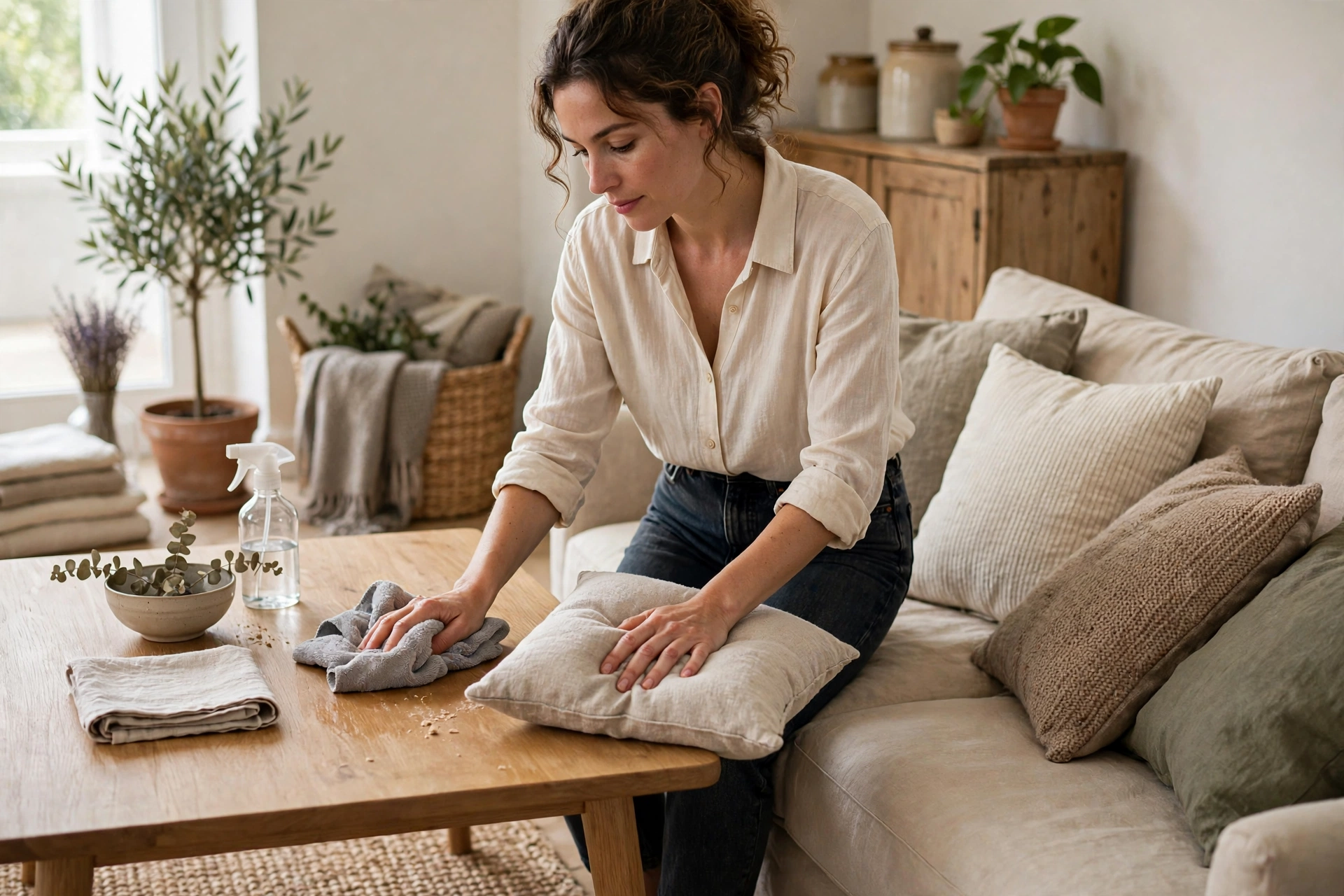
To clean a living room well, clear surfaces, dust furniture, vacuum soft furnishings, fluff cushions, fold throws, and put away books, chargers, and toys, so the room feels calm and finished. Living rooms are mostly about order and dust, not scrubbing, so they move quickly once clutter is gone.
Start with the sofa: remove cushions, vacuum crumbs from seams, and put cushions back neatly. Dust shelves, tables, and electronics with a soft, dry cloth, wipe light switches and door handles, and fold blankets. Put books on shelves, chargers in one spot, and toys in their box, rather than stacking them in a corner.
Vacuum rugs and carpets slowly, and mop hard floors if the room needs it. Open windows briefly for fresh air where weather allows, and finish by checking the room from the doorway, which shows what you would otherwise miss. If time is short, focus on the sofa, main surfaces, and floor, and leave shelves and drawers for a deeper session.
Bedroom: Bed First, Surfaces Second
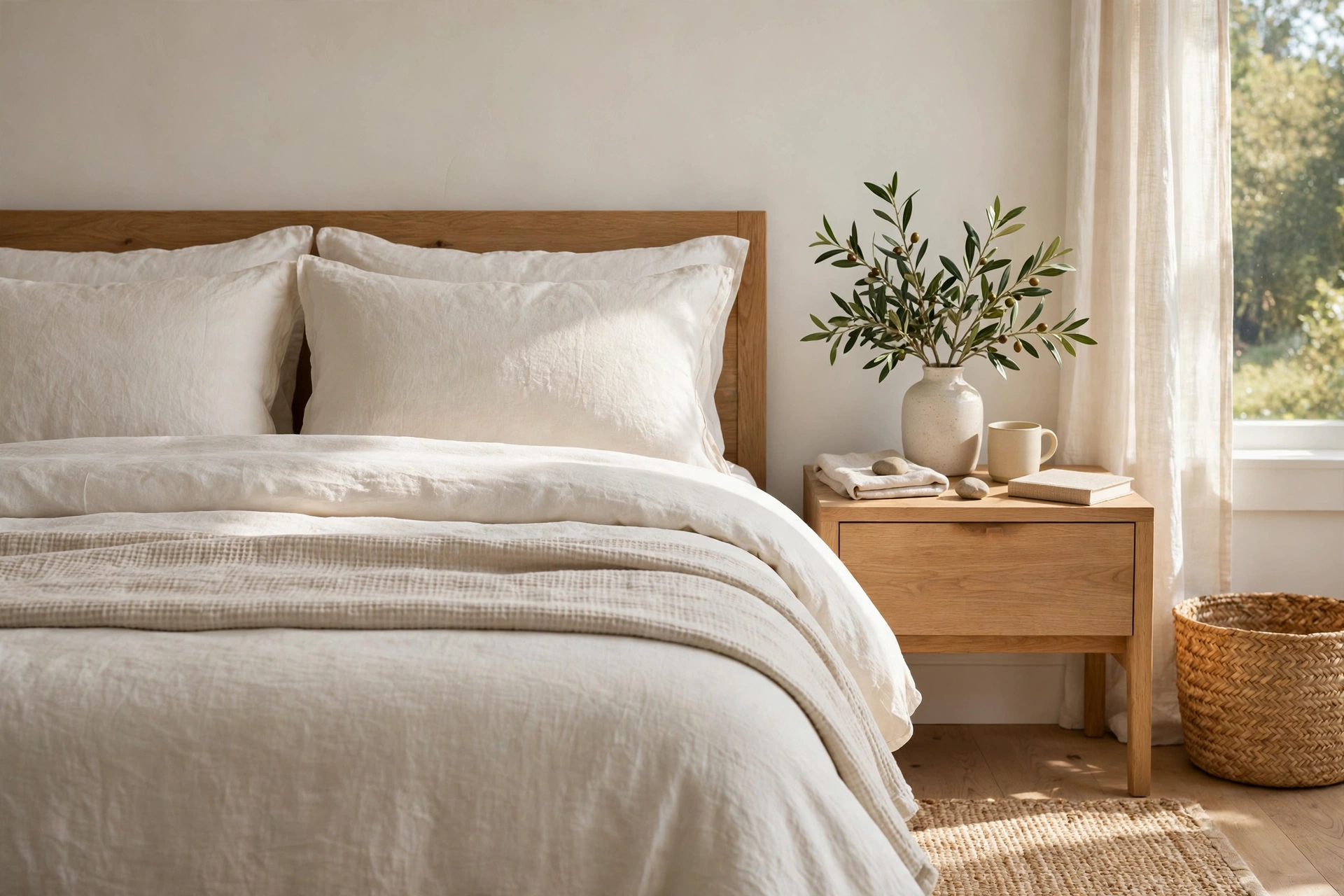
To clean a bedroom well, make the bed first, clear bedside tables and dressers, dust furniture, put laundry away, vacuum or mop the floor, and leave the room calm and uncluttered. A made bed changes how the whole room looks, so it is the fastest visible win in any bedroom.
Strip and remake the bed with clean bedding if it is laundry day, or simply smooth and straighten the bedding if it is not. Clear bedside tables of books, glasses, and chargers, dust them, and put back only what you use daily. Put laundry in the basket, hang or fold clean clothes, and return items to their rooms instead of stacking them on a chair.
Dust dressers, mirrors, and light fittings with a soft cloth, wipe handles and switches, and vacuum rugs or mop hard floors. Open a window briefly for fresh air if weather allows. If time is short, focus on the bed, main surfaces, and floor, and leave wardrobes and drawers for a separate sorting session.
Home Office and Study: Desk, Screens, and Paper
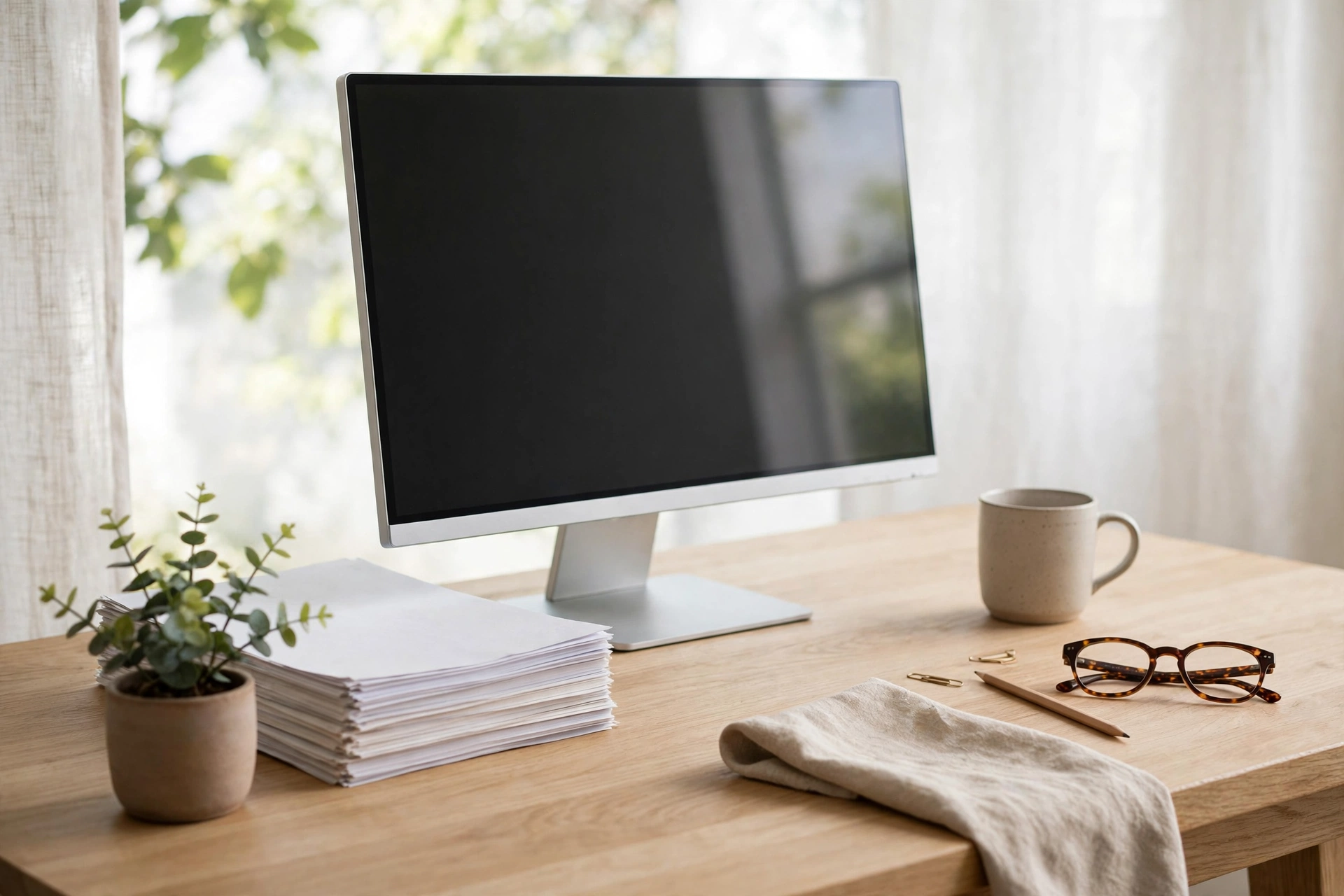
To clean a home office or study well, clear the desk, dust screens and shelves, sort paper into keep, file, and recycle piles, wipe keyboards and handles, and tidy cables, so the room supports focused work instead of distracting from it. Offices collect paper and dust faster than most rooms, so sorting matters more than scrubbing.
Start by removing everything from the desk, wiping it with a suitable cleaner, and putting back only what you use daily. Dust screens with a soft, dry cloth, following the maker’s guidance, and avoid spraying cleaner directly onto screens. Sort paper in one pass: keep what you need, file what belongs elsewhere, and recycle the rest, so piles do not simply move to another surface.
Wipe keyboards, mice, and door handles with a damp cloth, and dry them well. Tidy cables with ties or a tray, dust shelves and bookcases, and vacuum or mop the floor. If time is short, focus on the desk, screens, and paper, because a clear desk alone makes an office feel clean and usable again.
Entryway and Hallway: First Impressions, Less Dirt
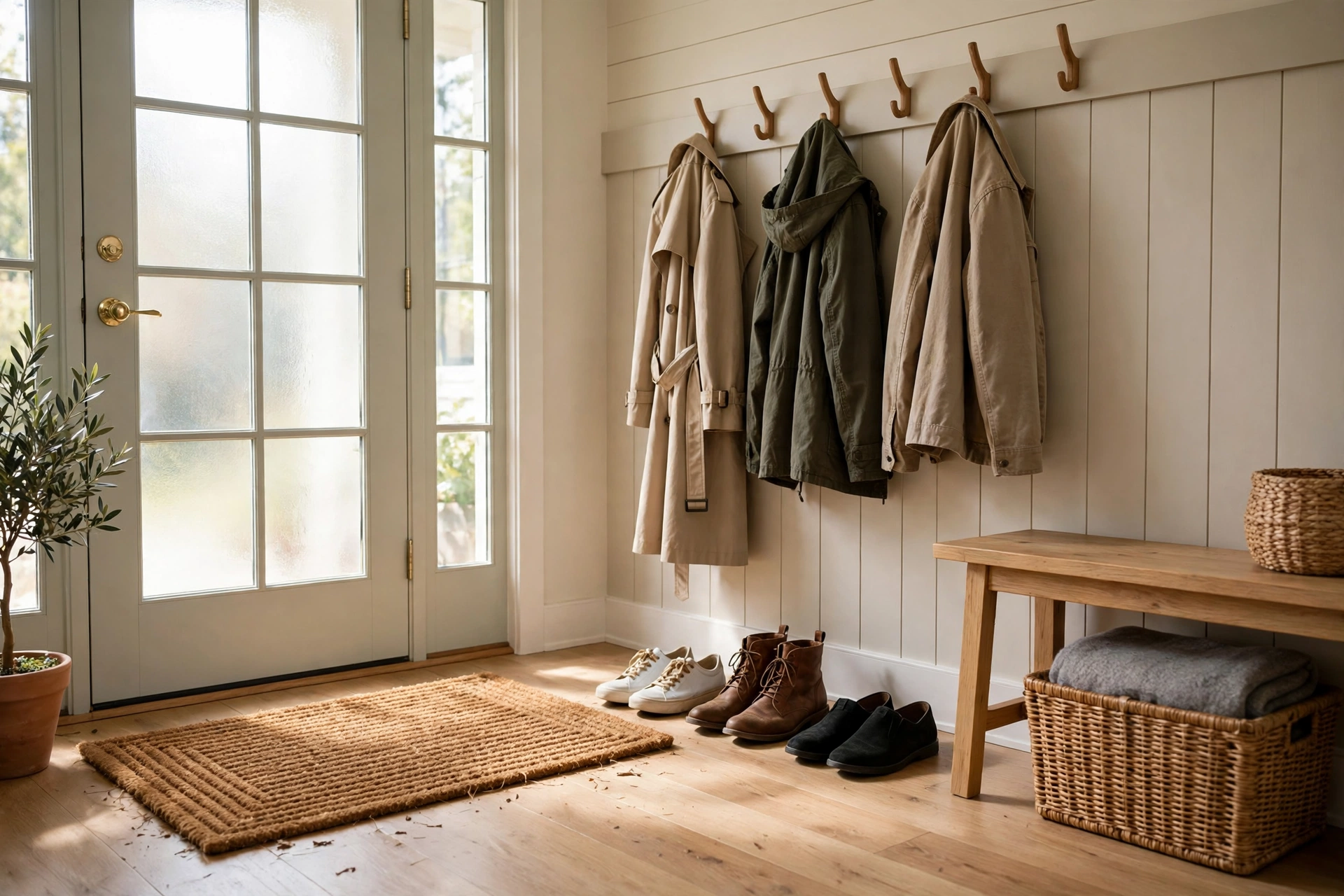
To clean an entryway and hallway well, clear shoes and coats, wipe door handles and light switches, dust consoles and mirrors, sweep and mop the floor, and put a mat by the door to catch dirt before it spreads. Entries collect more dirt than any other part of the house, because every trip outside ends there.
Remove shoes, bags, and parcels, and put coats on hooks or in a cupboard. Wipe the front door handle, inside and out, and light switches, because hands touch them every day. Dust the console or shelf, clean the mirror if there is one, and check the post and key bowl for clutter that can be filed or recycled.
Sweep the floor well, including corners and under the mat, then mop hard floors or vacuum runners. A clean, dry mat by the door catches much of the dirt that would otherwise travel through the house, so shake or wash it regularly. If the entry still looks busy, limit it to one pair of shoes per person and a single hook per person, which keeps the space usable.
Dining Room: Table, Chairs, and Light
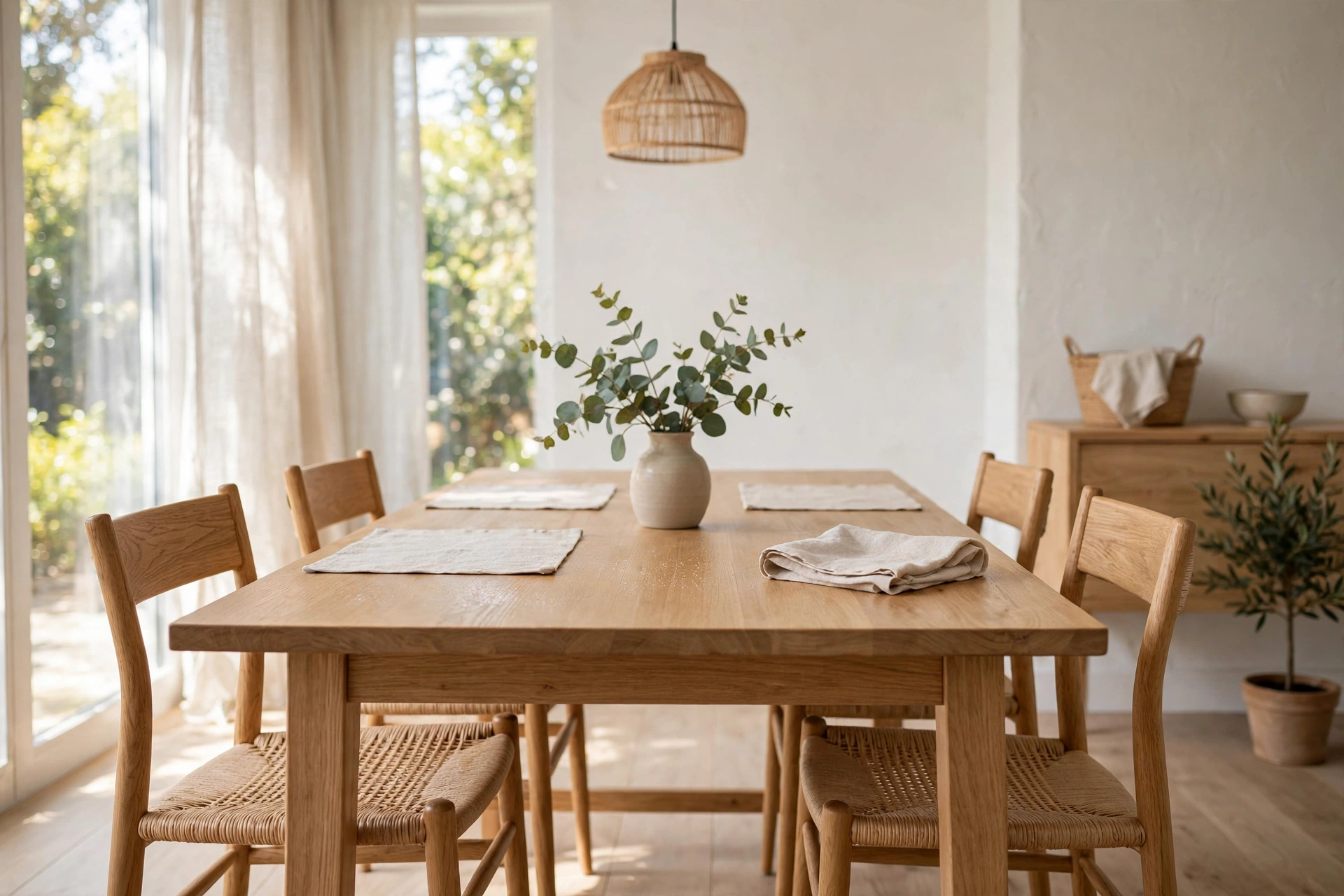
To clean a dining room well, clear the table, wipe it with a suitable cleaner, dust chairs and light fittings, vacuum or mop the floor, and put tableware away, so the room is ready for the next meal instead of holding yesterday’s clutter. Dining rooms are simple to clean, because the table is the main surface.
Clear the table completely, including placemats, centrepieces, and stray items, and wipe it from the centre outward, rinsing the cloth often. Dust chairs, including the backs and legs, and wipe the light fitting only when lights are off and cool. Put tableware, napkins, and serving items back in their cupboard, and throw away any rubbish or expired items found in drawers.
Vacuum rugs under the table slowly, because crumbs collect there, or mop hard floors, working toward the door. Open curtains or blinds for light, and finish by checking the room from the doorway. If time is short, focus on the table, chairs, and floor, and leave sideboards and drawers for a deeper session.
Laundry Room: Machines, Surfaces, and Supplies
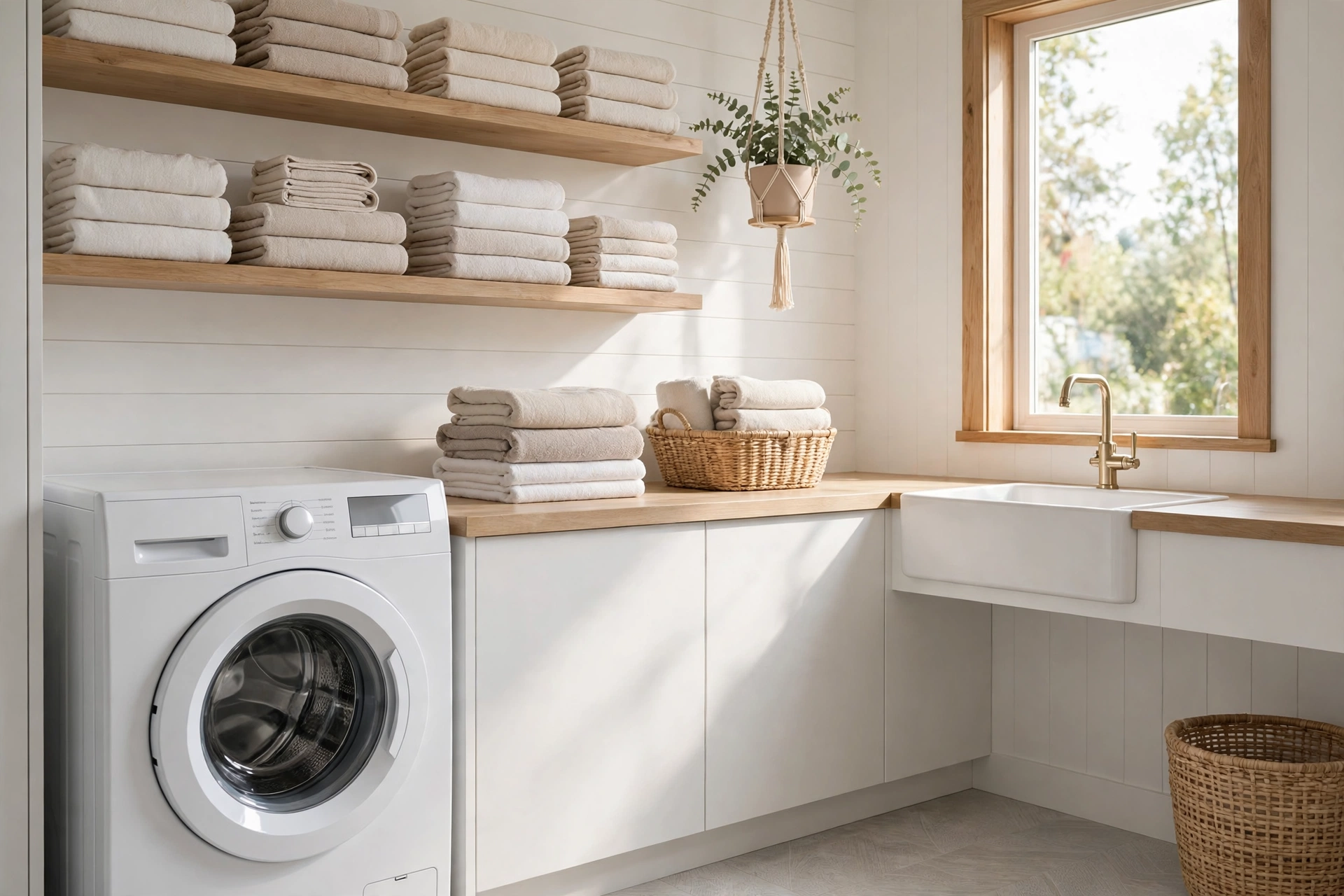
To clean a laundry room well, wipe machine fronts and lids, clean detergent drawers and lint filters as the maker directs, wipe counters and sinks, sort supplies, and sweep and mop the floor. Laundry rooms collect lint, detergent spills, and damp smells, so drying and ventilation matter here.
Start by clearing counters and putting supplies in one spot. Wipe machine fronts and lids with a damp cloth, and clean detergent drawers and lint filters following the maker’s instructions, because clogged filters and drawers affect how machines work. Wipe the sink and taps, and check hoses for leaks or damage, seeking professional help if you find a problem.
Sort supplies, throw away empty bottles, and keep daily detergents within reach. Sweep the floor, including behind machines if you can reach safely, and mop hard floors, working toward the door. Leave the machine doors open briefly after use if the maker advises it, and leave the room ventilated until it is dry, so damp smells do not build up.
Guest Room and Kids’ Room: Simple and Safe
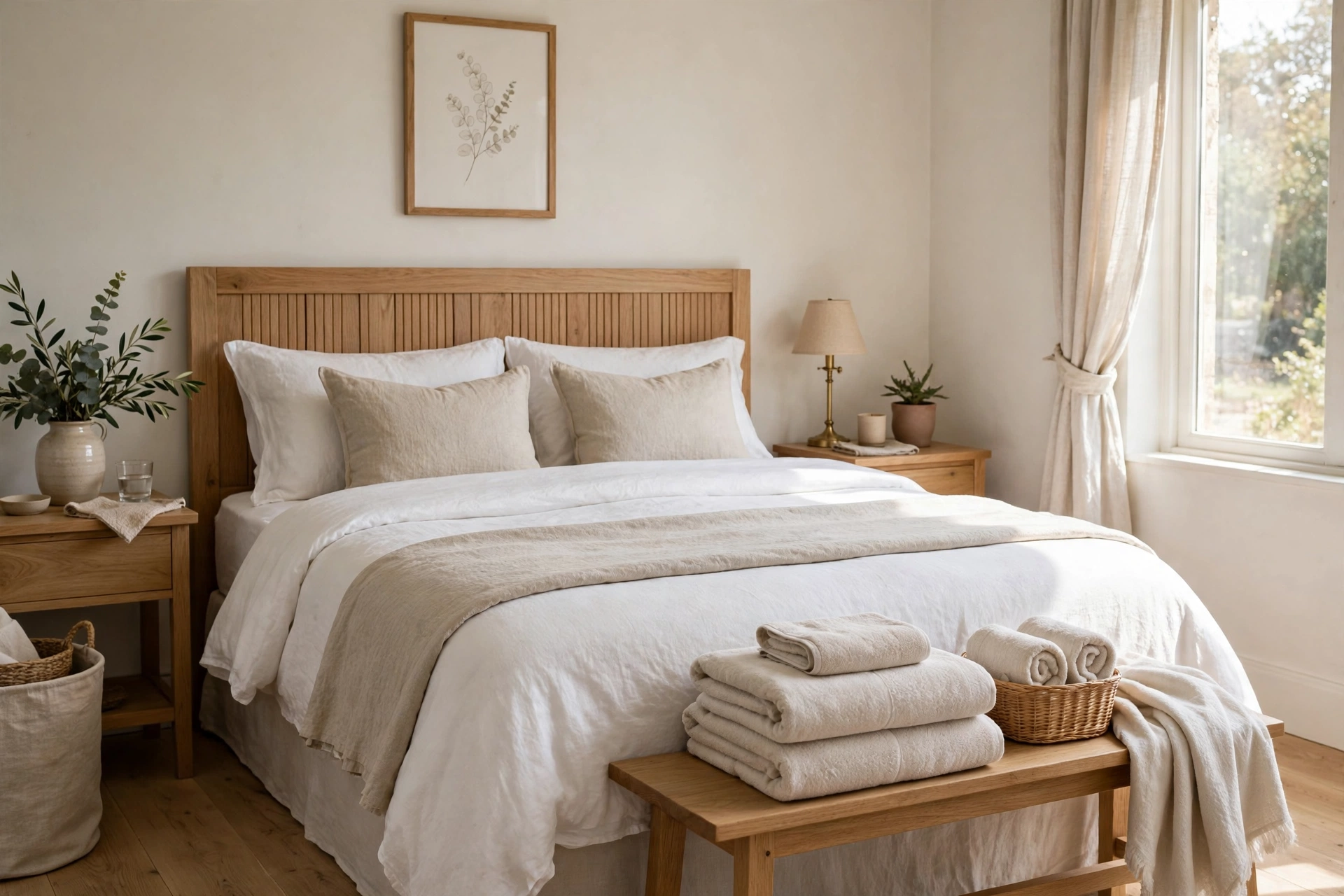
To clean a guest room or kids’ room well, make the bed, clear floors and surfaces, dust furniture, put toys and books away, vacuum or mop the floor, and check that the room is safe and welcoming. These rooms need order and safety more than deep scrubbing, so focus on clear floors and clean surfaces.
In a guest room, make the bed with clean bedding, clear bedside tables, dust furniture, and put fresh towels out if guests are coming. In a kids’ room, put toys in boxes, books on shelves, and clothes in drawers or the laundry basket, and check the floor for small items that could be a hazard. Dust shelves and furniture with a soft cloth, and wipe handles and switches.
Vacuum rugs or mop hard floors, and open a window briefly for fresh air if weather allows. Keep cleaning products out of reach in kids’ rooms, and store them safely after use. If time is short, focus on the bed, floor, and main surfaces, and leave cupboards and toy boxes for a separate sorting session.
Finishing Pass: Floors, Air, and Shared Spaces
To finish a room-by-room clean, do a final pass over floors, shared spaces, and air: vacuum or mop any floors not yet done, wipe shared handles and switches, take out all rubbish and recycling, and ventilate rooms briefly. A finishing pass catches what room-by-room cleaning misses, such as hallways and shared handles.
| Room | Priority when time is short | Skip for a deeper session |
|---|---|---|
| Kitchen | Counters, sink, floor | Cabinet insides, oven |
| Bathroom | Toilet, sink, mirror, floor | Grout, cabinet insides |
| Living room | Sofa, main surfaces, floor | Shelves, drawers |
| Bedroom | Bed, main surfaces, floor | Wardrobes, drawers |
| Office | Desk, screens, paper | Shelves, cables |
| Entryway | Floor, handles, mat | Cupboards, console drawers |
Take out all bins, replace liners, and put recycling out as local rules direct. Wipe shared handles, switches, and stair rails, which hands touch every day. Open windows briefly where weather allows, or run fans until rooms feel fresh. Check each room once from the doorway, and put tools and supplies away clean and dry, so the next clean starts easily.
Keep Rooms Tidy With a Short Daily Routine
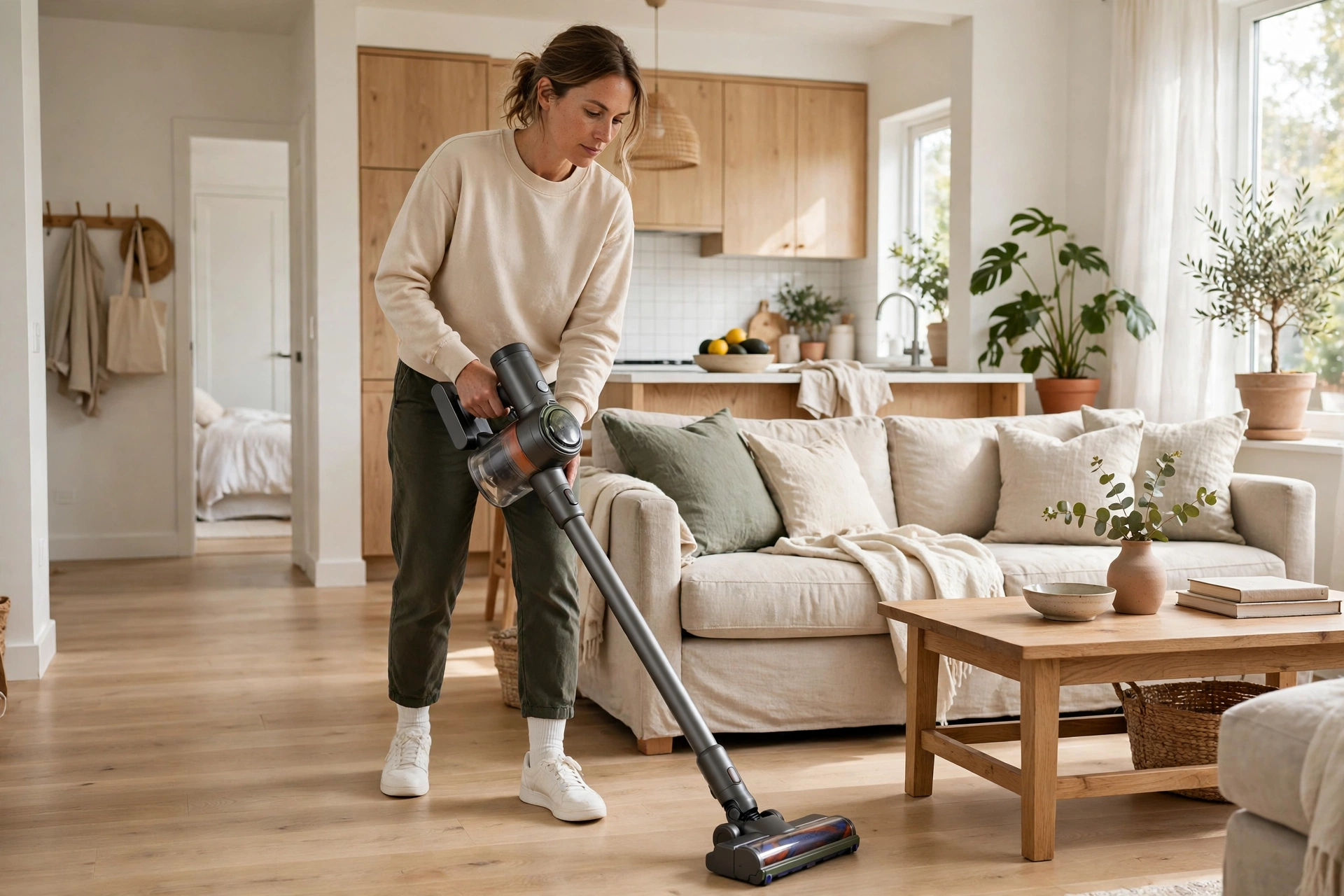
To keep rooms tidy between deeper cleans, use a short daily routine: make beds, wipe kitchen counters after cooking, put things back where they belong, take out rubbish, and spend ten minutes on one room each day. Small, daily habits prevent rooms from becoming cluttered again all at once.
A ten-minute daily reset works better than waiting for a full clean. Choose one room each day, such as the bathroom on one day and the entry on another, and do only its main surfaces and floor. After cooking, wipe the stove and counters while spills are fresh. Before bed, put loose items away, so mornings start in a tidy home.
Involve everyone in the home, giving each person one room or one daily task, because rooms stay tidy when the work is shared. Keep a small caddy of supplies in an easy spot, so a quick wipe does not feel like a project. If a room feels messy again, a short reset, not a full deep clean, is usually enough to restore it.
Conclusion
Room-by-room cleaning works because it gives every room its own priority, a clear finish, and a habit that keeps it tidy. Clean one room completely, move on, and finish with floors and shared spaces. With a short daily routine, each room stays pleasant to use, and the next full clean becomes much shorter.
FAQs
What is the best order for cleaning rooms?
Finish one room completely before starting the next, and clean dry rooms before wet rooms, with floors last in each room. This order prevents dirt from travelling into rooms you have already cleaned.
How long should cleaning one room take?
Most rooms take twenty to forty minutes for a normal clean, depending on size and clutter. Bathrooms and kitchens usually take longer than bedrooms and living rooms.
Which room should I clean first?
Start with the room that bothers you most, or the room guests will see first. Either order works, as long as you finish one room before moving on to the next.
How do I keep rooms tidy between cleans?
Use a short daily routine: make beds, wipe kitchen counters, put things away, and spend ten minutes on one room each day. Small habits prevent clutter from building up again.
Should I clean the whole house in one day?
Not necessarily. Splitting rooms across two or three days works just as well, and it is easier to keep up. The key is finishing each room, not finishing the whole house at once.
Disclaimer: This article is for general information only and does not provide professional cleaning, plumbing, electrical, or appliance advice. Always follow the instructions for your surfaces, appliances, and cleaning products, keep cleaning products away from children and pets, ventilate rooms when using strong cleaners, and seek qualified help for leaks, damaged wiring, mould, or appliance problems. Clearise Cleaning Services does not offer guest posting, paid promotion, or advertising through this article.
Thanks for visiting Clearise Cleaning Services! Discover more helpful tips and expert cleaning insights by exploring our related categories.