

Knowing how to clean house means removing dust, dirt, and clutter from every room in a sensible order, from high surfaces to floors, leaving each room tidy and easy to keep clean. Done with a plan, a whole-home clean takes a few focused sessions rather than one exhausting day.
A house feels hard to clean when there is no order. People often start in the kitchen, move to a bedroom, then return to the kitchen because a spill appeared, and the day ends with several half-cleaned rooms. The problem is rarely effort. It is that cleaning without a plan means the same surfaces get dirty again while you are still working.
This guide gives you one order that works in a flat or a large house: plan first, declutter, dust high to low, clean wet rooms, then floors last. You will learn how to split the work across days, what to do in each room, and how to keep the result with small weekly habits.
What Cleaning a Whole House Really Means
Learning how to clean house means cleaning every room to the same basic standard: surfaces dusted and wiped, floors swept or vacuumed and mopped where needed, wet rooms scrubbed, and clutter put away, so no room is left to undo the work in another. It is a reset of the whole home, not a deep clean of one room.
A whole-home clean is different from daily tidying. Daily tidying means making beds, washing dishes, and putting things away. A whole-home clean goes further: it reaches high shelves, light fittings, skirting boards, and the tops of doors, and it checks storage, bins, and laundry. It also means finishing each room before moving on, so dust does not travel from a dirty room into a clean one.
Think of the house in three groups: dry rooms, such as bedrooms and living rooms; wet rooms, such as kitchens and bathrooms; and floors and entries, which connect them all. Clean dry rooms first, wet rooms next, and floors last in each room, and the whole job stays in order from start to finish.
Make a Simple Plan Before You Start
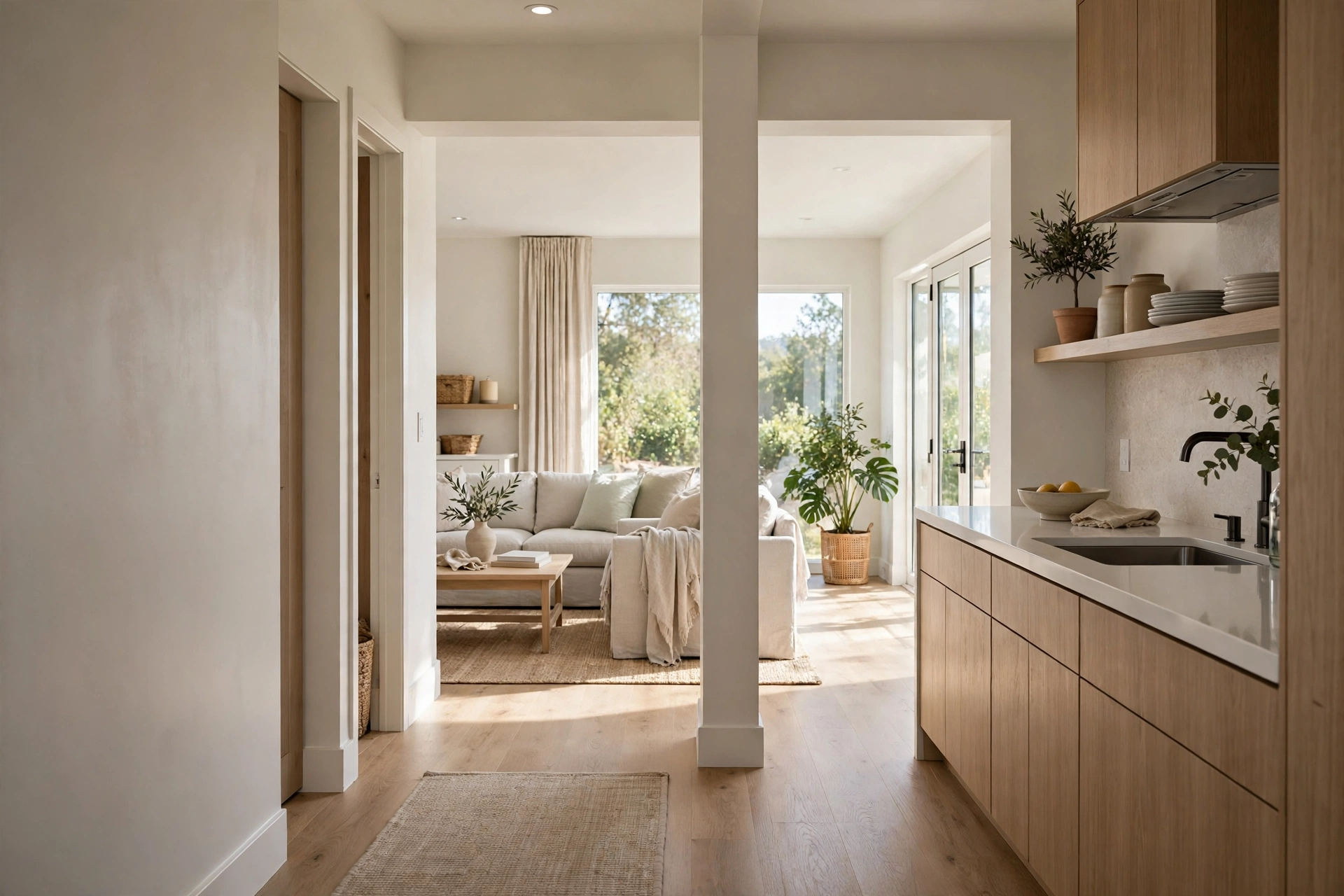
Before you clean a house, make a simple plan: list the rooms in order, decide how much time each room gets, gather supplies in one caddy, and choose whether to finish in one day or split the work across two or three days. A short plan prevents half-cleaned rooms and wasted trips between floors.
Walk through the house once with a notebook or phone and note what each room needs most, such as dusting, laundry, or a floor wash. Put the rooms that are used least first if you want quick wins, or the rooms guests see first if visitors are coming. Either order works, as long as you finish one room before starting the next.
Set a time limit for each room, such as thirty minutes for a bedroom and an hour for a kitchen, and stop when the time ends. You can always return to a room later, but a time limit keeps the whole house moving. If you live with others, share the list, because a whole-home clean is much faster when rooms are split between people.

Gather Supplies for the Whole House
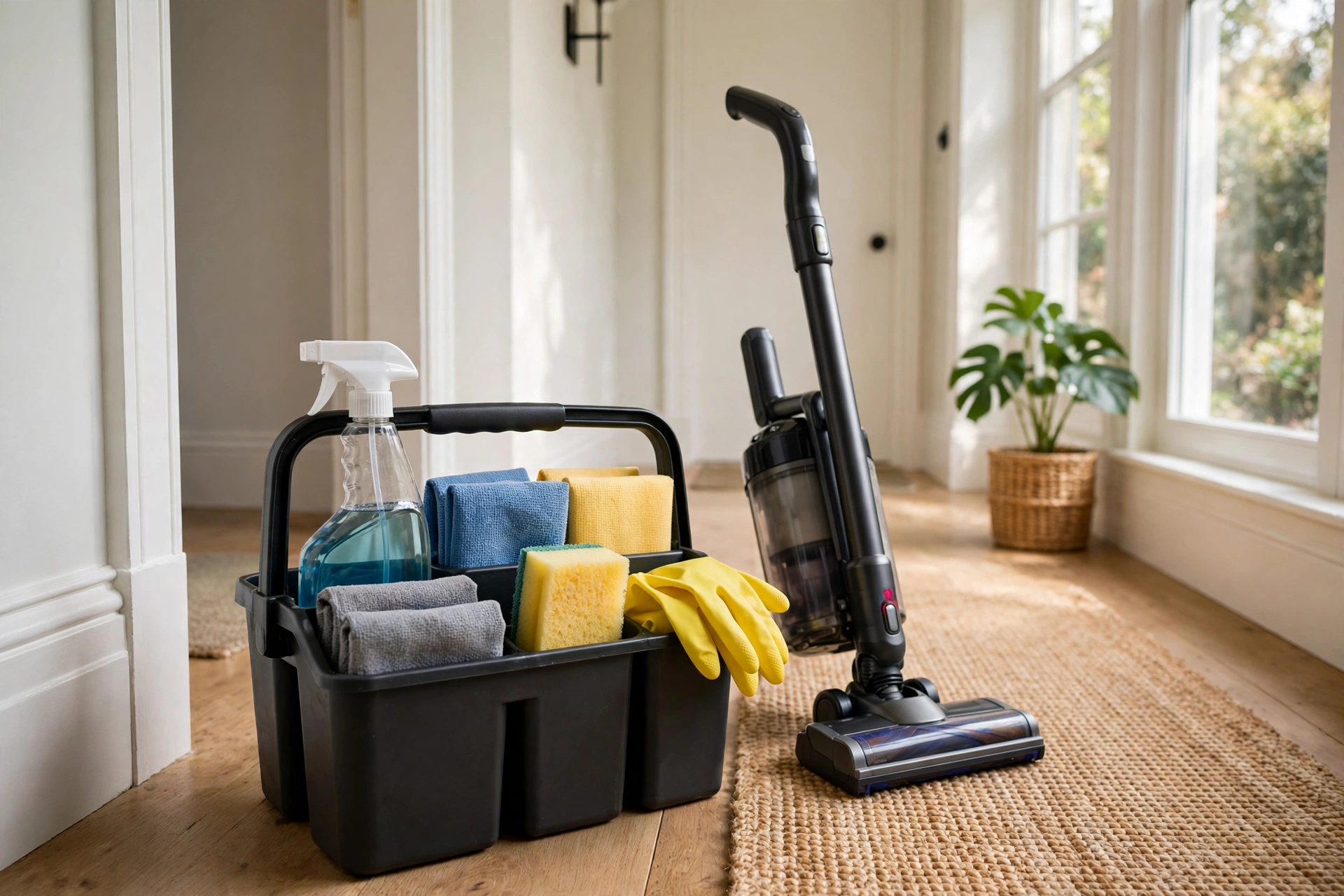
Before you clean a house, gather an all-purpose cleaner, dish soap, baking soda, white vinegar, microfibre cloths, a duster, a non-scratch sponge, a vacuum cleaner, a mop, a bucket, rubber gloves, and bags for rubbish and recycling. One caddy for the whole house saves time, because you carry supplies with you instead of fetching them room by room.
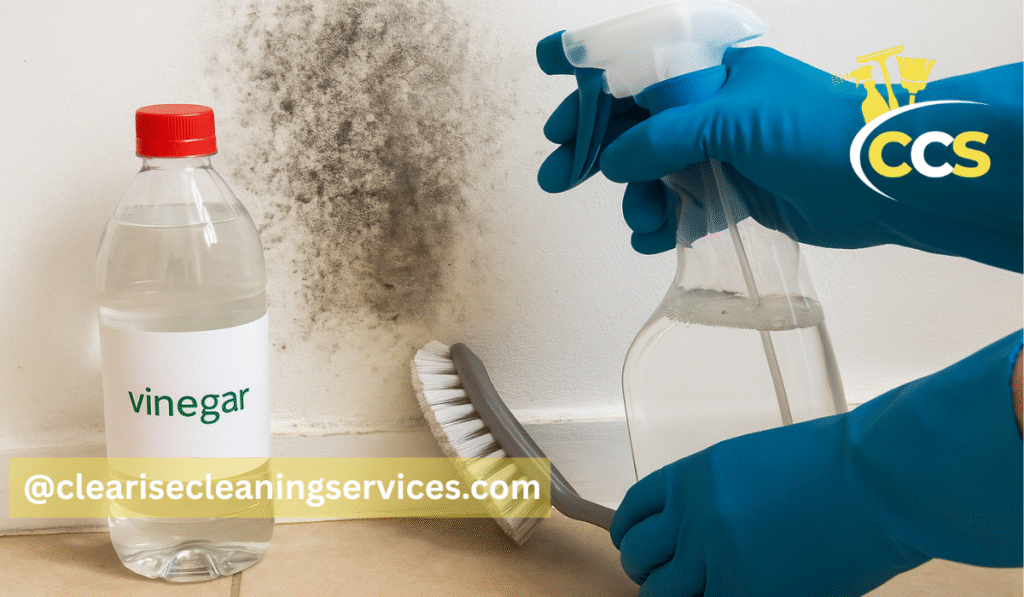
An all-purpose cleaner handles most surfaces, while dish soap in warm water works well for many wipes. Baking soda makes a gentle paste for sinks and grout, and white vinegar helps with mineral marks where the maker allows it. Always read product labels, never mix bleach with vinegar or other cleaners, and keep cleaning products away from children and pets.
Keep a separate cloth for bathrooms and kitchens, and a dry cloth for mirrors and polished surfaces. Wear gloves for wet rooms, open windows when you use a strong cleaner, and keep a rubbish bag in the caddy so clutter leaves each room as you clean it. Replace worn cloths and sponges regularly, because a dirty cloth spreads dirt instead of removing it.
- All-purpose cleaner, dish soap, baking soda, and white vinegar
- Microfibre cloths, a duster, a non-scratch sponge, and an old toothbrush
- Vacuum cleaner, mop, bucket, gloves, and rubbish and recycling bags
- A caddy or bucket to carry supplies from room to room
Declutter First, Clean Second
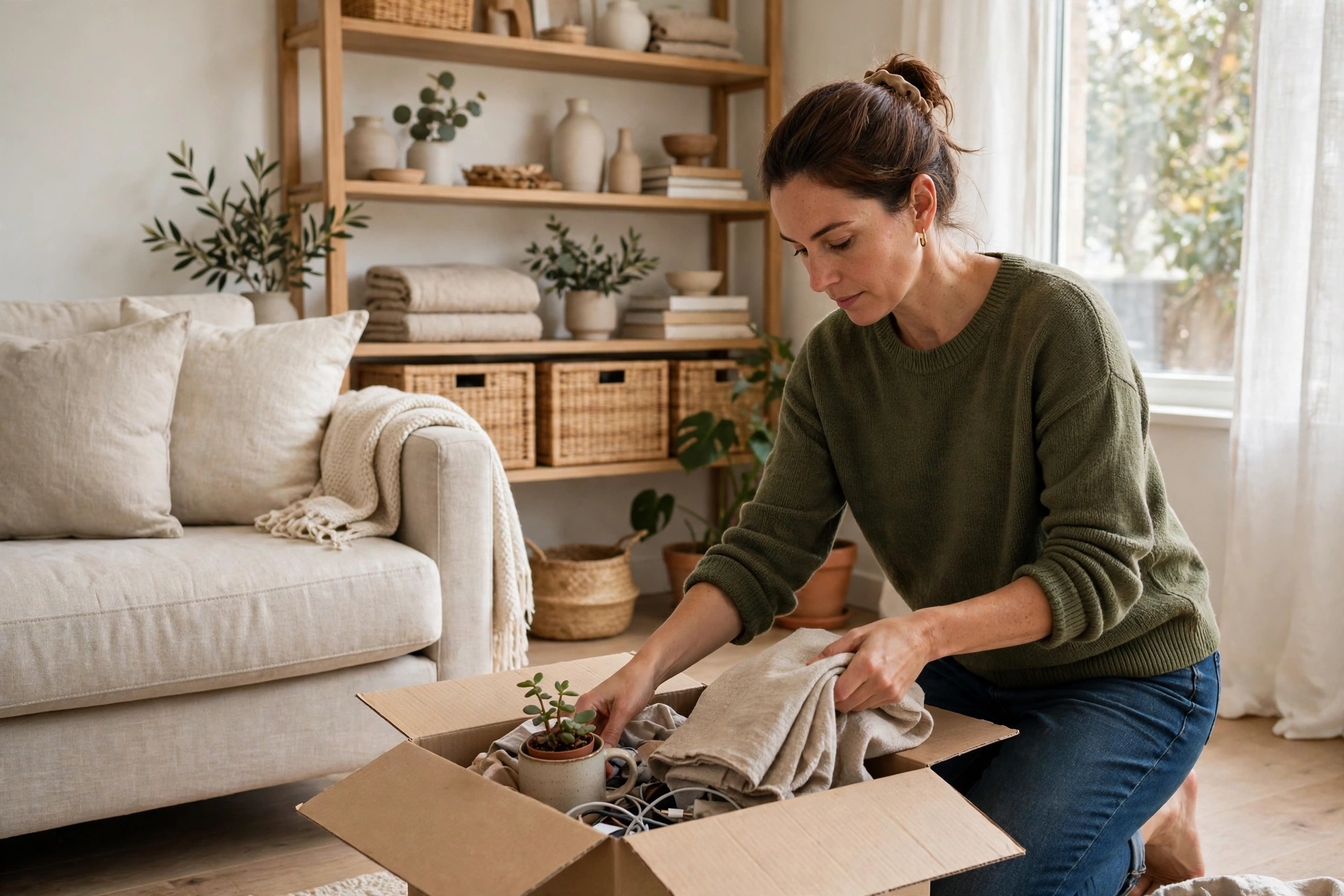
To clean a house well, declutter first: walk into each room with a bag, remove rubbish, put loose items where they belong, and take laundry and dishes out before you dust or wipe anything. Cleaning around clutter only moves dirt from one pile to another.
Decluttering does not mean sorting the whole house at once. It means clearing surfaces so you can actually clean them. Put books on shelves, clothes in the laundry basket, and dishes in the kitchen. Throw away broken items and empty packaging, and set aside a box for things to donate or recycle, so they leave the house instead of moving to another room.
Work room by room, and finish the declutter in one room before you clean it. If a drawer or cupboard is very full, leave the inside for a separate session, and clean only the outside today. A clear surface is the fastest way to make a room look clean, and it makes every later step, from dusting to mopping, much quicker.
Dust From High to Low
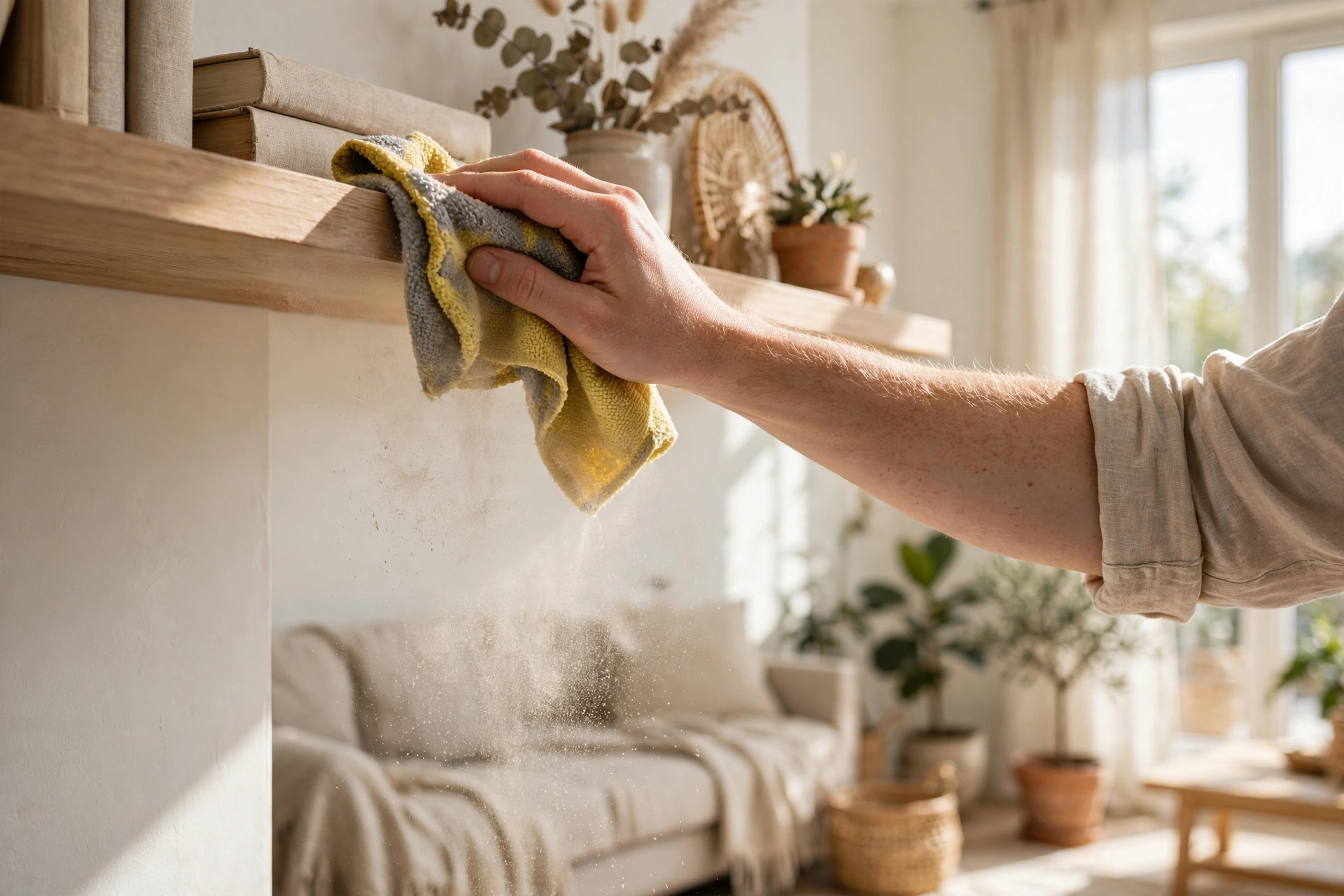
To dust a house properly, start with high surfaces such as ceiling corners, light fittings, and tall shelves, then work down to tables and skirting boards, so dust falls onto surfaces you have not cleaned yet. Dusting low surfaces first means dust from above lands on them again.
Use a dry microfibre cloth or a duster for most surfaces, and a damp cloth for sticky or heavy dust. Wipe light fittings only when lights are off and cool, and follow the maker’s instructions for removing covers. Dust picture frames, mirrors, and electronics with a soft, dry cloth, and avoid spraying cleaner directly onto screens or vents.
Pay attention to the spots people miss: the tops of doors, window frames, shelves, and the backs of furniture. Dust skirting boards last in each room, because dust from above settles there. If you or someone in the home has allergies, dust with a damp cloth where possible, ventilate the room, and wash cloths after use, rather than shaking dust into the air.
Clean the Kitchen as Part of the House
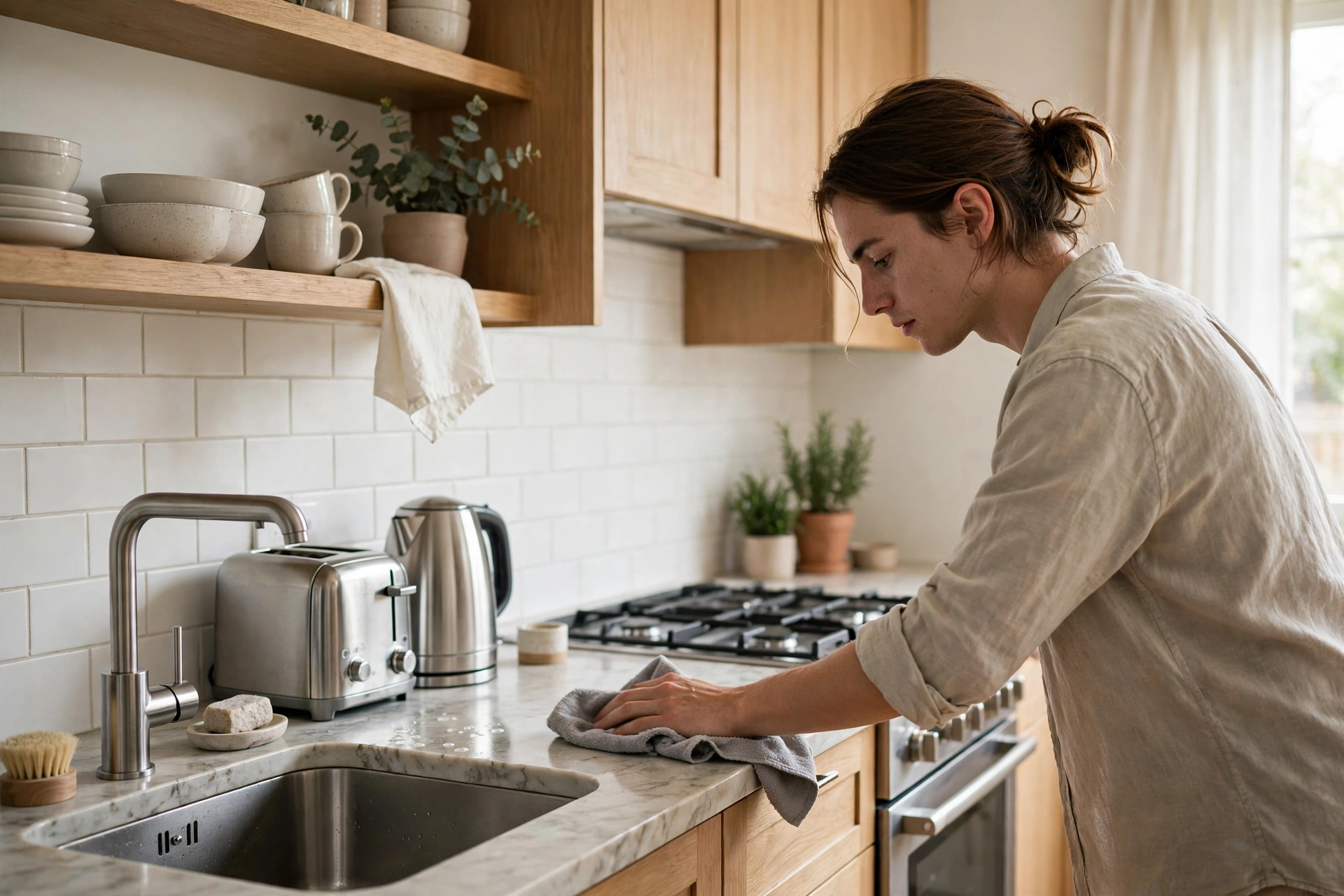
To clean a kitchen as part of a whole-home clean, clear and wipe countertops, clean the sink and taps, wipe appliance fronts and cabinet doors, take out rubbish, and sweep the floor, leaving deeper tasks for a separate kitchen deep clean. A whole-home pass keeps the kitchen usable without turning it into a full-day job.
Start by clearing the counters and putting dishes away, because a clear counter makes every other step faster. Wipe counters with a cleaner suited to the material, rinse, and dry them. Clean the sink with dish soap or baking soda paste, descale the tap if mineral marks are present, and wipe the outside of the refrigerator, oven, and microwave.
Wipe cabinet fronts and handles, especially near the stove, where grease collects, and take out rubbish and recycling. Sweep the floor and mop only if it needs it, since the floor will be done properly in the final floor pass. If the kitchen needs a full deep clean, schedule it as its own session, and use the whole-home pass only to keep it tidy in between.
Clean Bathrooms Without Slowing the Whole House
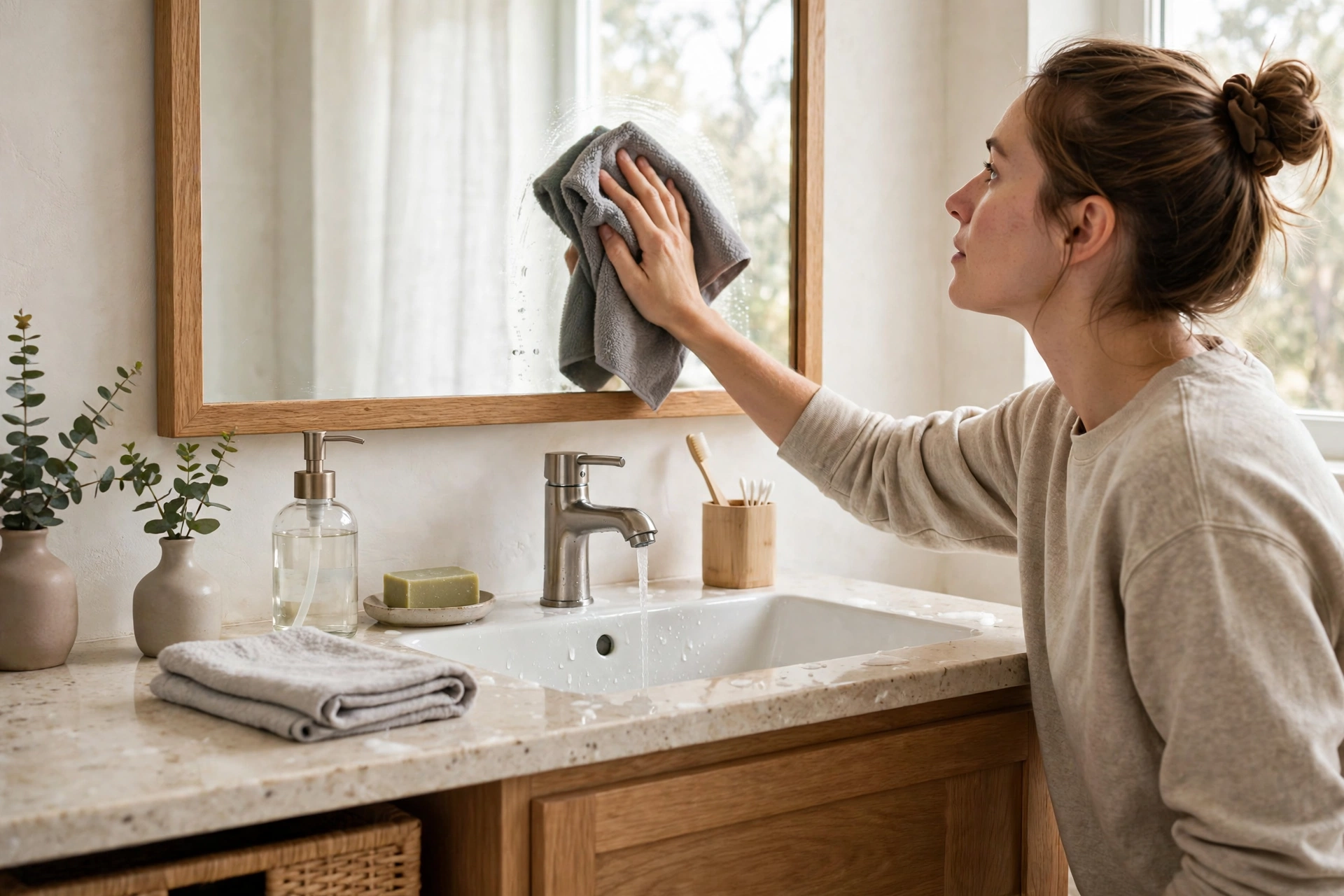
To clean a bathroom as part of a whole-home clean, spray the shower, toilet, and sink, let the cleaner sit while you wipe mirrors and taps, scrub and rinse, then dry the surfaces and mop the floor last. Letting the cleaner sit first means less scrubbing and a faster bathroom pass.
Apply bathroom cleaner to the shower walls and toilet bowl first, so it can work while you clean the mirror and sink. Wipe the mirror with a cloth and buff it dry, clean the basin and taps with warm soapy water, and wipe the vanity fronts and handles. Scrub the toilet bowl, wipe the seat, lid, handle, and base with a separate cloth, and flush.
Rinse the shower well, dry the glass if you can, and sweep and mop the floor, working toward the door. Replace hand towels with clean ones, take out the bin, and leave the fan on until the room is dry. A bathroom pass like this usually takes twenty to thirty minutes, and it keeps the wettest room in the house from slowing the rest of the clean.
Refresh Living Areas and Bedrooms
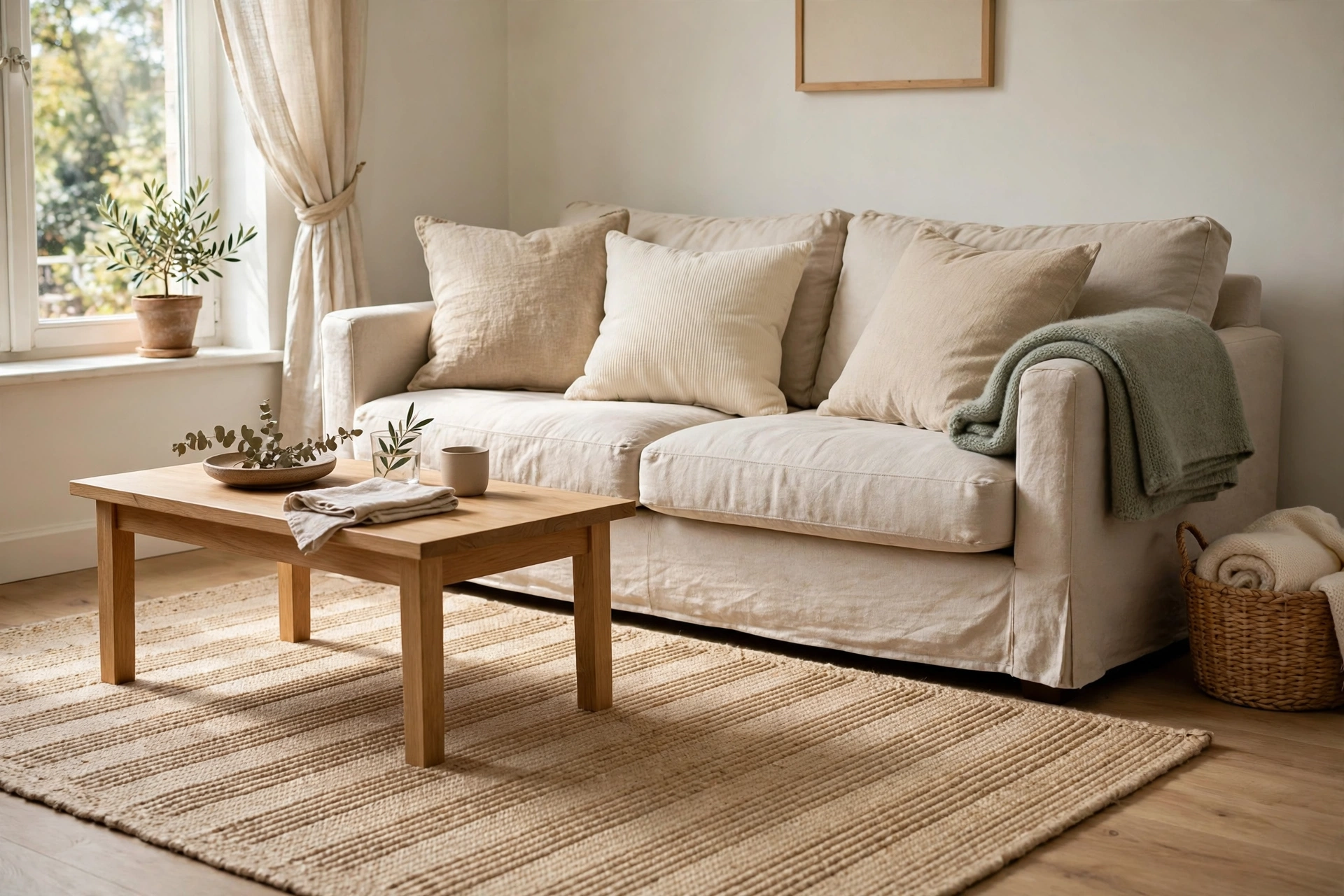
To refresh living areas and bedrooms, make beds, clear surfaces, dust furniture, fluff cushions, fold throws, vacuum soft furnishings, and put away clothes, books, and chargers, so each room feels calm and finished. These rooms are mostly about order and dust, not scrubbing, so they move quickly once clutter is gone.
In living rooms, start with the sofa: remove cushions, vacuum crumbs from seams, and put cushions back neatly. Dust shelves, tables, and electronics with a soft cloth, wipe light switches and door handles, and fold blankets. In bedrooms, make the bed first, because a made bed changes how the whole room looks, then clear bedside tables and dressers.
Put laundry in the basket, hang or fold clean clothes, and return items to their rooms instead of stacking them in a hallway. Vacuum rugs and carpets, and mop hard floors if the room needs it. Open windows briefly for fresh air where weather allows, and finish each room by checking it from the doorway, which shows what you would otherwise miss.
Clean Floors Room by Room
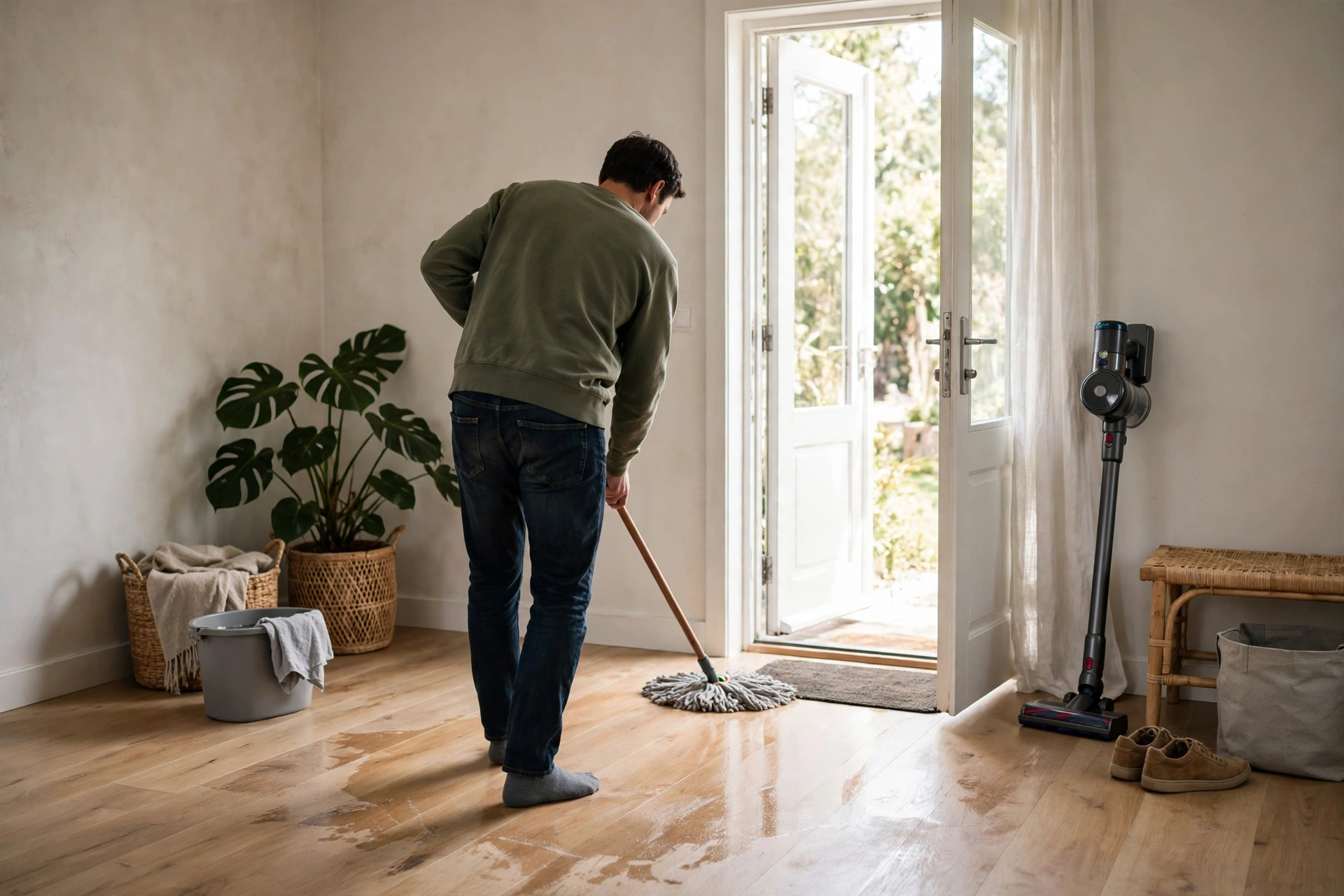
To clean house floors well, vacuum or sweep each room first to remove dust and grit, mop hard floors with a cleaner suited to the floor type, work from the far corner toward the door, and let floors dry fully before walking on them. Mopping over dry grit can scratch floors and spread dirt.
| Floor type | First step | Mopping guidance |
|---|---|---|
| Hardwood or laminate | Vacuum or sweep gently | Lightly damp mop only, dry standing water at once |
| Tile | Sweep, then mop | Damp mop with a suitable floor cleaner, brush grout if needed |
| Vinyl | Sweep or vacuum | Damp mop with a maker-approved cleaner |
| Carpet and rugs | Vacuum slowly, in both directions | Spot-clean spills promptly; deep clean separately |
Vacuum carpets slowly and in both directions, because a quick pass leaves dust deep in the pile. For hard floors, use only a lightly damp mop on wood and laminate, and dry any standing water promptly. For tile, a damp mop with a suitable cleaner usually works well, and grout lines may need a brush.
Clean the floor in each room as you finish that room, rather than leaving all floors to the end, unless you prefer one final pass. Either way, work toward the door, wipe skirting boards while floors dry, and replace mats and rugs only when floors are dry, so damp mats do not trap moisture.
Tackle Entries, Hallways, and High-Traffic Spots
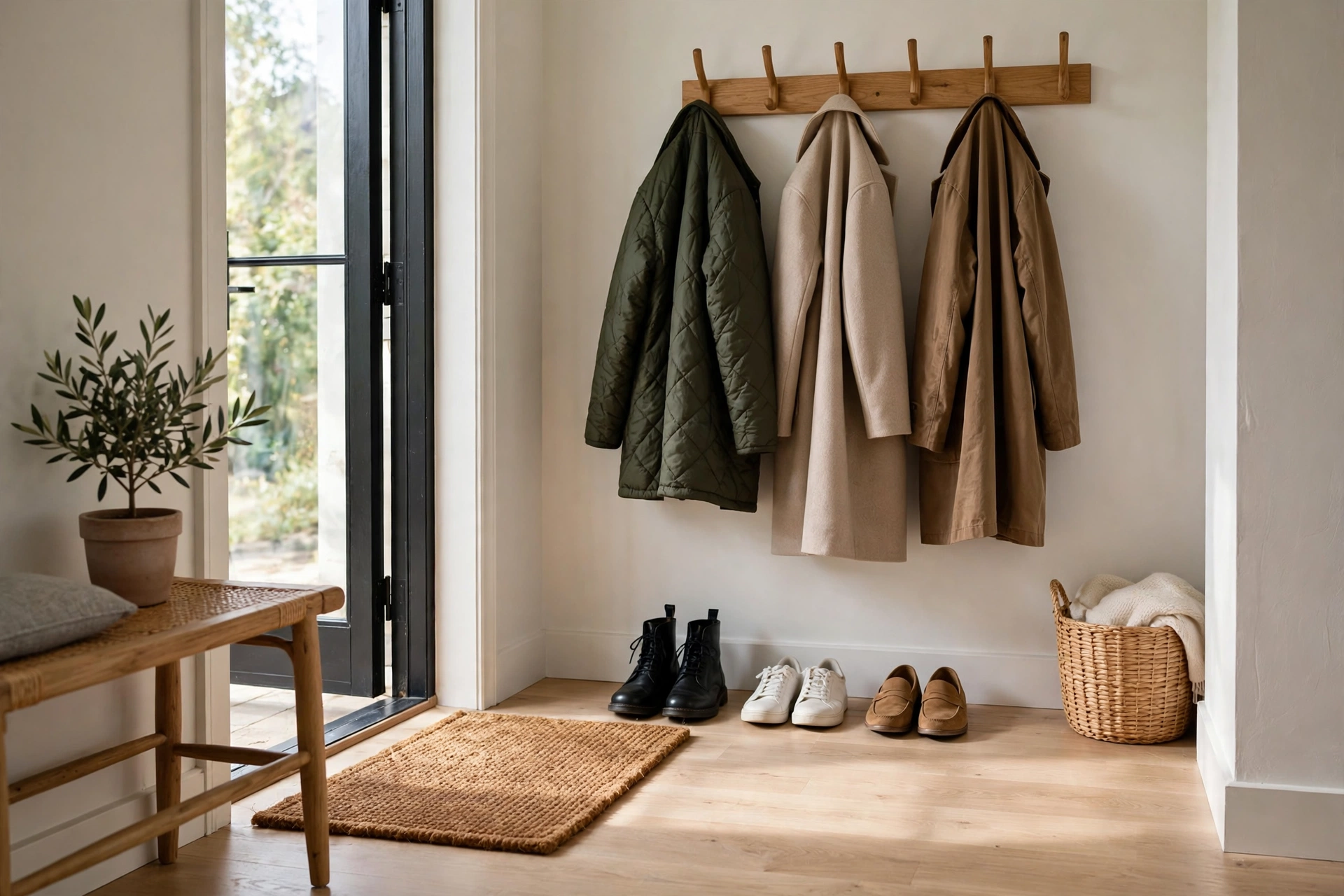
To clean entries and hallways, clear shoes and coats, wipe door handles and light switches, dust consoles and mirrors, sweep and mop the floor, and put a mat by the door to catch dirt before it spreads. Entries collect more dirt than any other part of the house, because every trip outside ends there.
Start by removing shoes, bags, and parcels, and putting coats on hooks or in a cupboard. Wipe the front door handle, inside and out, and light switches, because hands touch them every day. Dust the console or shelf, clean the mirror if there is one, and check the post and key bowl for clutter.
Sweep the floor well, including corners and under the mat, then mop hard floors or vacuum runners. A clean, dry mat by the door catches much of the dirt that would otherwise travel through the house, so shake or wash it regularly. If the entry still looks busy, limit it to one pair of shoes per person and a single hook per person, which keeps the space usable.
Change Bedding and Handle Laundry
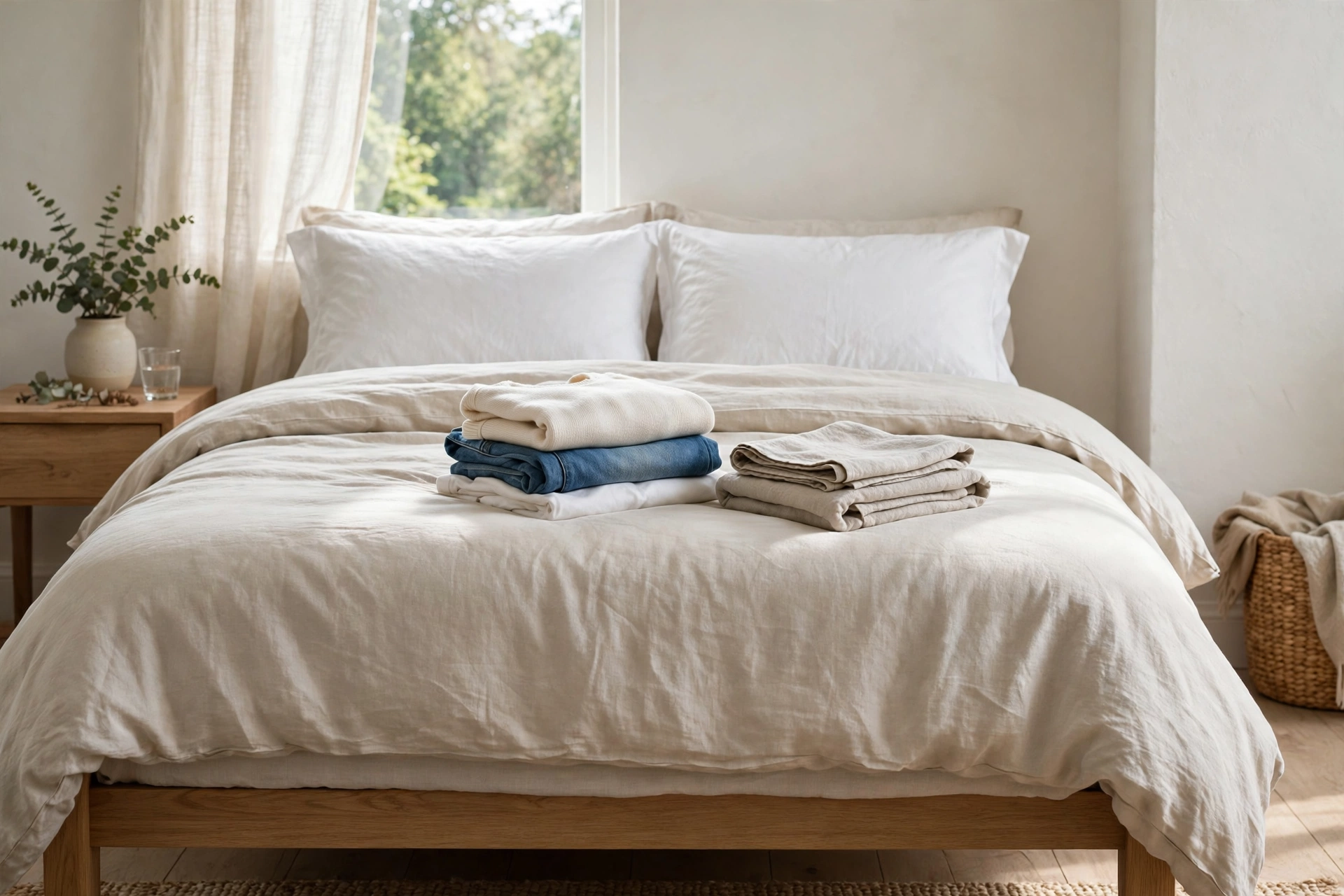
To handle bedding and laundry during a whole-home clean, strip beds on laundry day, start one load before you clean other rooms, and put clean bedding and clothes away as soon as they are dry. Laundry that runs while you clean saves time, because the house and the washing finish together.
Change bedding weekly in most homes, or more often if someone is ill or sweats heavily at night. While bedding washes, dust the bed frame and headboard, which are easy to reach when the bed is stripped. Fold clean laundry promptly, because clothes left in a pile become clutter again, and put each item in its own room rather than stacking it in a hallway.
Keep It Clean With a Weekly House Routine
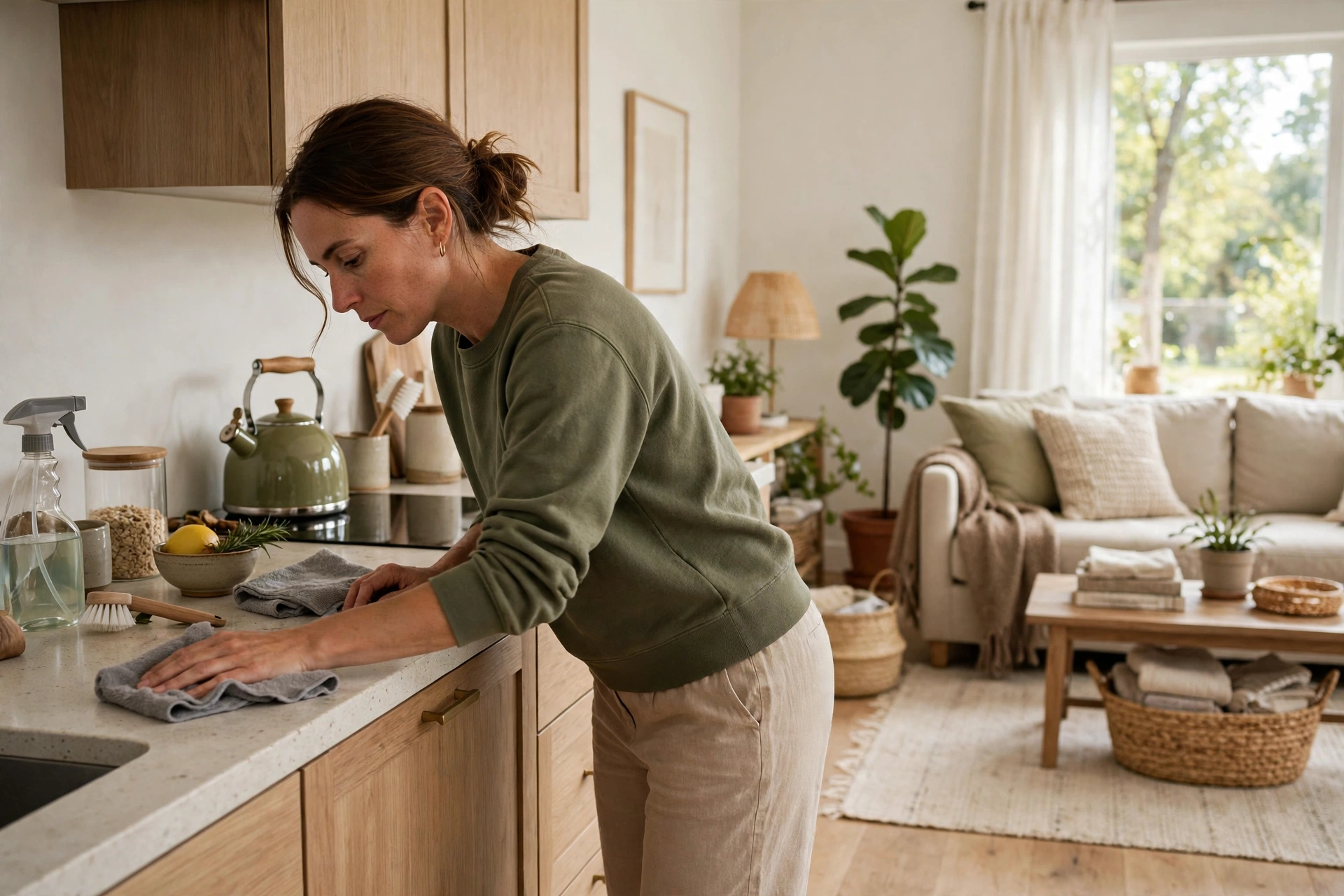
To keep a cleaned house clean, give each room one small weekly habit: wipe kitchen counters after cooking, clean the bathroom sink weekly, vacuum high-traffic rooms weekly, and change bedding weekly, with one deeper task each month. Small, regular habits prevent the same heavy buildup from returning all at once.
A simple weekly plan works better than a perfect plan you cannot keep. Choose one room per day if that suits you, or one hour on a set day for the whole house, and keep the same day each week so the routine becomes a habit. After cooking, wipe the stove and counters while spills are fresh. Once a week, dust main surfaces, vacuum, and take out rubbish and recycling.
Once a month, pick one deeper task, such as one set of cabinets, the oven door, or a grout section, so deep work stays spread out. Keep cleaning supplies in one easy spot, replace cloths and sponges regularly, and involve everyone in the home, because a house stays clean when the work is shared, not left to one person.
Conclusion
A clean house is not about perfection for one day; it is about a simple order, one finished room at a time, and a routine that keeps the result. Plan first, declutter, dust high to low, clean wet rooms, and finish with floors. With small weekly habits, the next whole-home clean will be shorter and simpler.
FAQs
How long does it take to clean a whole house?
A normal home usually takes three to five hours for a whole-home clean, depending on size, clutter, and how many wet rooms it has. Splitting the work across two or three days makes it easier without losing progress.
How often should I clean my whole house?
Most homes benefit from a weekly clean of main surfaces and floors, with a deeper whole-home clean every month. Busy homes, pets, or allergies may need the main clean more often.
What is the best order for cleaning a house?
Plan first, declutter, then dust from high to low, clean kitchens and bathrooms, and finish with floors last in each room. Finishing one room before starting the next prevents rework.
Should I clean room by room or task by task?
Room by room usually works better for a whole home, because each room is finished before you move on. Task by task, such as dusting the whole house first, can work in a small flat.
How can I clean a house faster?
Declutter first, carry supplies in one caddy, set a time limit per room, and clean high to low. Sharing rooms between people in the home also makes the whole job much faster.
Disclaimer: This article is for general information only and does not provide professional cleaning, plumbing, electrical, or pest-control advice. Always follow the instructions for your surfaces, appliances, and cleaning products, keep cleaning products away from children and pets, ventilate rooms when using strong cleaners, and seek qualified help for leaks, damaged wiring, mould, or appliance problems. Clearise Cleaning Services does not offer guest posting, paid promotion, or advertising through this article.
Thanks for visiting Clearise Cleaning Services! Discover more helpful tips and expert cleaning insights by exploring our related categories.

Pingback: How to Deep Clean Kitchen: Room-by-Room Reset