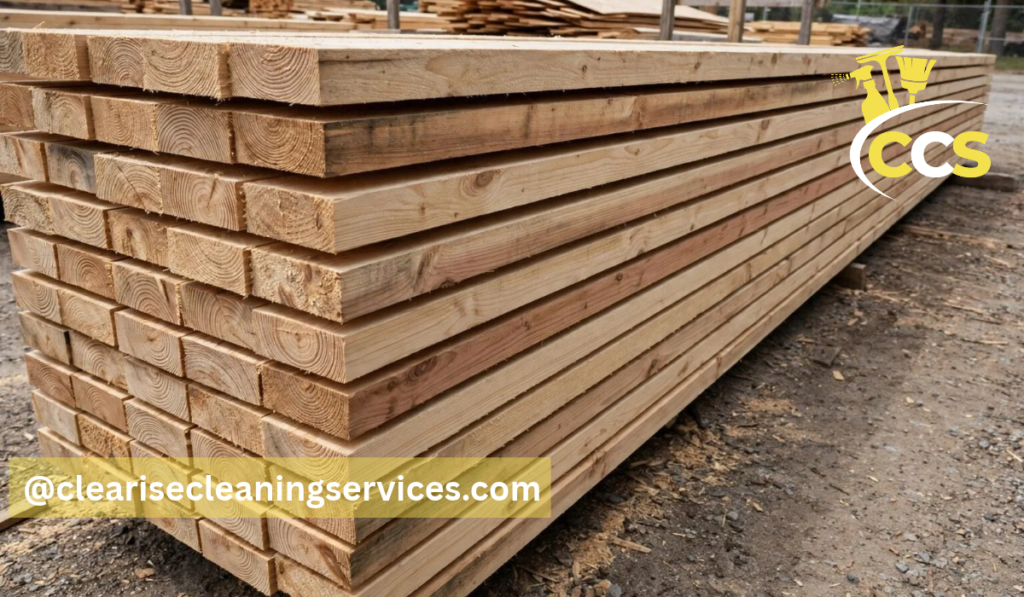
Walk into any lumber yard and you will see stacks of boards labelled 2x8x12, but the first surprise for many beginners is that the board in your hands does not measure 2 inches by 8 inches. Understanding its real size, its uses, and how to pick a good one saves wasted money and wobbly projects.
What a 2x8x12 Board Actually Is
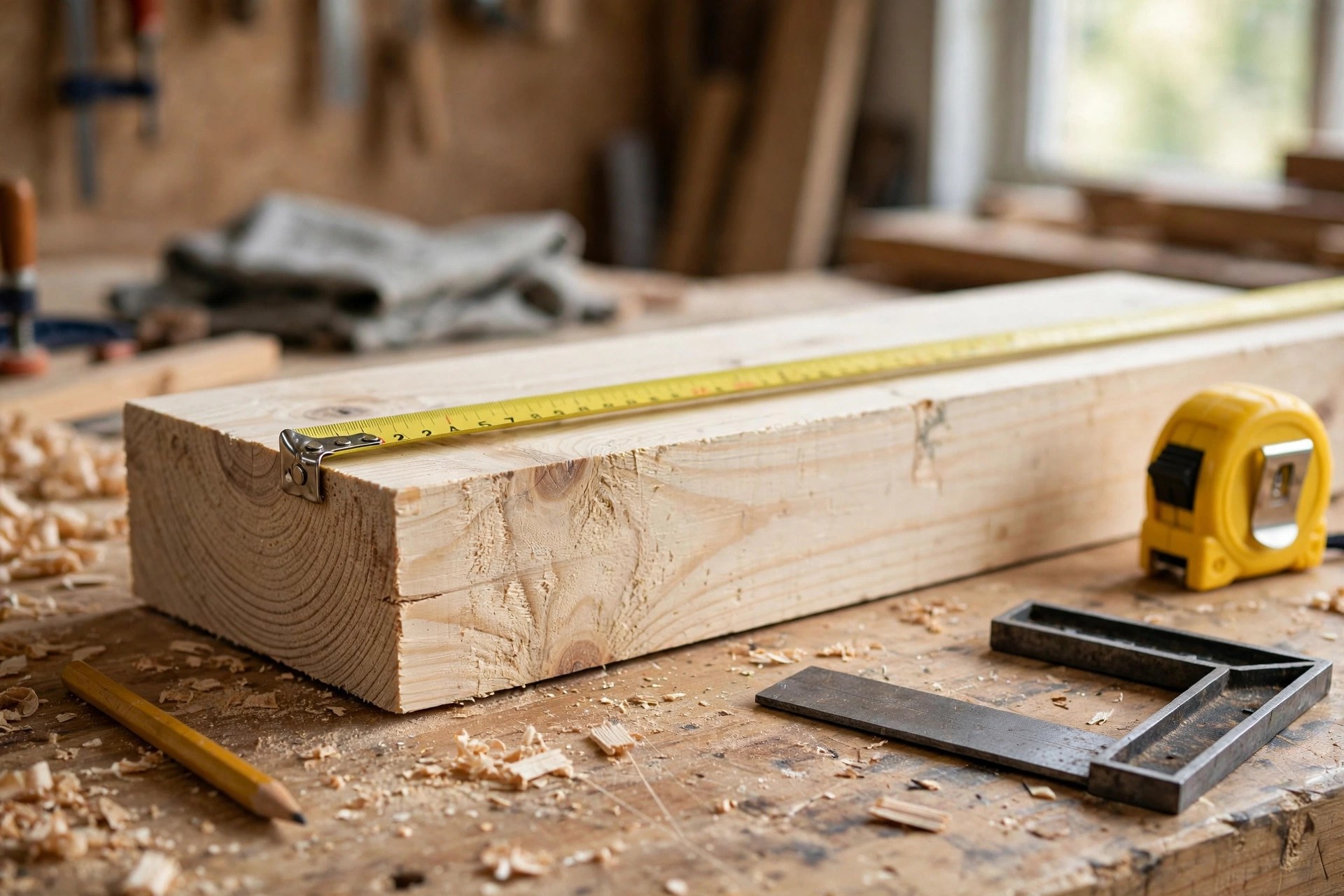
A 2x8x12 is a softwood dimensional lumber board that is 12 feet long and sold under the nominal size of 2 inches thick by 8 inches wide, though the finished board is actually smaller. The three numbers tell the story: 2 is the nominal thickness, 8 the nominal width, and 12 the length in feet.
Dimensional lumber is the standard framing lumber used in house building across North America, usually cut from softwoods such as pine, spruce, or fir. The 12-foot length suits floor joists, rafters and deck framing, yet is short enough to carry without special equipment.
Nominal vs Actual Size: The 1.5 x 7.25 Inch Truth
The actual size of a 2x8x12 is 1.5 inches thick by 7.25 inches wide, because the nominal size describes the rough-cut board before it is dried and planed smooth at the mill. The 12-foot length, by contrast, is true to size: only the thickness and width shrink during processing.
When a log is first sawn, the board really is close to 2 inches by 8 inches. Then it is dried, which shrinks the wood as moisture leaves the fibres, and surfaced on all four sides, a process known as S4S, which planes the faces smooth and removes more material. The result is a finished board of 1.5 by 7.25 inches, or 38 by 184 millimetres, standardised under the American Softwood Lumber Standard, known as PS 20. A nominal thickness of 2 inches loses half an inch, and a nominal width of 8 inches loses three-quarters of an inch, so always measure with the actual size, never the label.
How Board Feet Work for a 2x8x12
A single 2x8x12 contains 16 board feet, because board feet are always calculated from the nominal size, not the actual size, using the formula thickness times width times length divided by 12. For this board that is 2 times 8 times 12, divided by 12, which equals 16.
A board foot is the standard unit for pricing and ordering lumber, equal to a piece of wood 12 inches long, 12 inches wide, and 1 inch thick. Because the calculation uses nominal sizes, the board foot count stays simple and consistent, even though the finished board is smaller. If you need ten 2x8x12 boards for a deck frame, you are buying 160 board feet. Some yards price per board and some per board foot, so knowing the number lets you compare prices fairly; add about 10 percent extra for cuts and mistakes when ordering.
Common Uses for a 2x8x12
A 2x8x12 is most often used for floor joists, roof rafters, deck framing, stair stringers, headers over doors and windows, and sturdy shelving, because its depth gives it good strength across a span. It is one of the most versatile sizes in a lumber yard, sitting between the lighter 2×6 and the heavier 2×10.
As a floor joist, a 2x8x12 supports the floor above a room or a deck, spanning the gap between supports. As a rafter, it forms the sloping frame of a roof, carrying the weight of roofing material and snow. Cut into shorter pieces, it makes strong stair stringers, the diagonal boards that hold stair treads, and headers that carry the load above a door or window opening. Around the home it also works for workbench tops and heavy shelving, and offcuts suit a raised garden bed.
2x8x12 as a Joist, Rafter or Beam
A 2x8x12 works well as a joist or rafter for moderate spans, but the safe span depends on the wood species, the grade, the spacing, and the load, so always check a span table or ask a building professional before framing a floor or roof. Never guess a span for anything that holds up a floor or a roof.
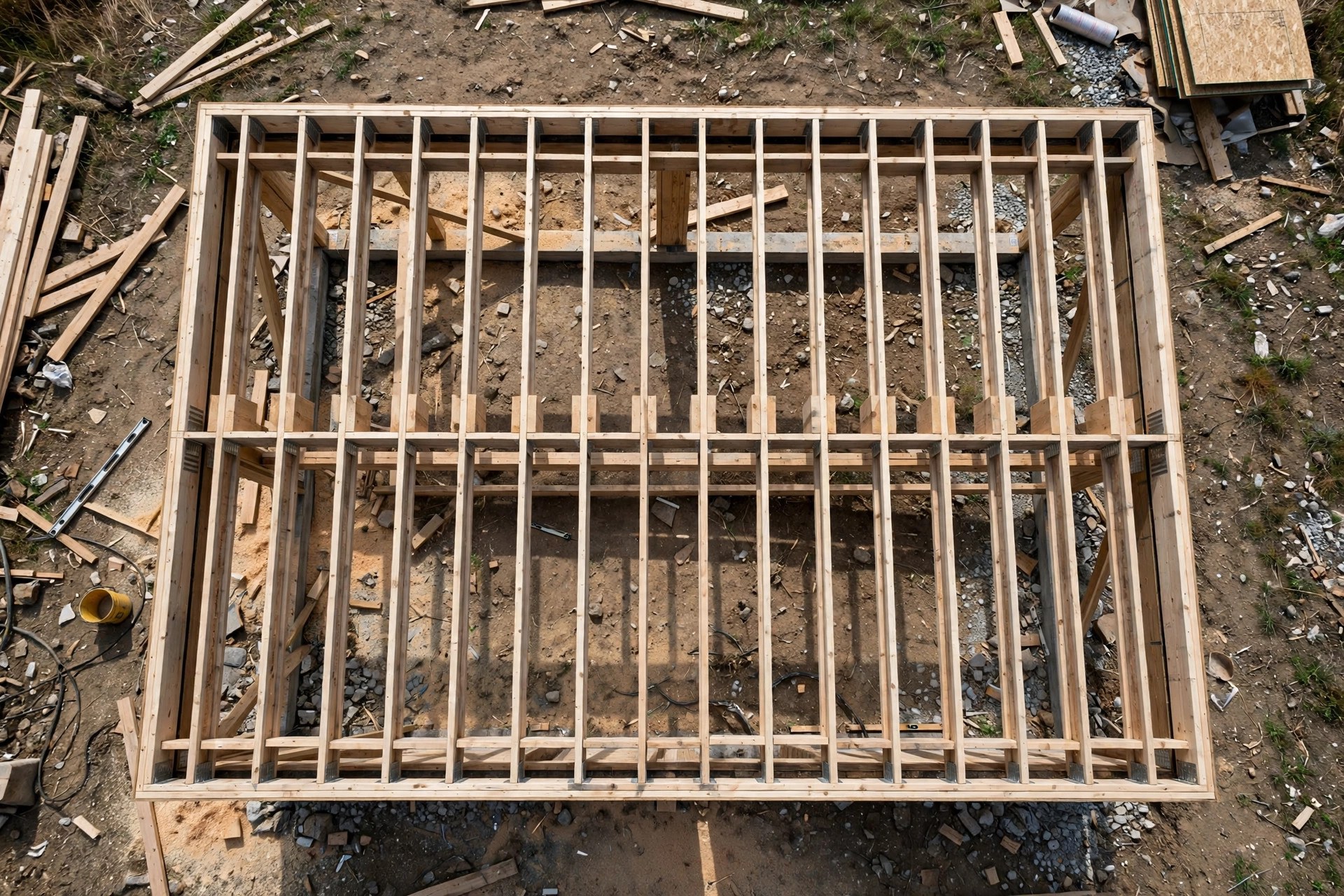
Span is the distance a board can safely bridge between two supports without sagging too much. A deeper board spans further, which is why a 2×8 reaches further than a 2×6 of the same length and species. Joists set 16 inches apart carry more than those set 24 inches apart, and higher grade stamps span further. Local building codes set the rules, and they vary by region, especially where snow loads are heavy. A single 2x8x12 is not a beam for long spans; beams are made by nailing boards together or using engineered lumber, so check a span table for structural work.
2x8x12 vs Other Common Board Sizes
Compared with a 2x6x12, a 2x8x12 is stronger and spans further, while compared with a 2x10x12 it is lighter, cheaper, and easier to handle, which makes the 2×8 the practical middle choice for many jobs. The right size is the smallest one that safely does the job, not the biggest one you can buy.
| Board | Actual size | Board feet (12 ft) | Typical use |
|---|---|---|---|
| 2x6x12 | 1.5 x 5.5 inches | 12 | Wall framing, light deck joists |
| 2x8x12 | 1.5 x 7.25 inches | 16 | Floor joists, rafters, deck framing |
| 2x10x12 | 1.5 x 9.25 inches | 20 | Longer joists, heavy floor framing |
| 2x4x12 | 1.5 x 3.5 inches | 8 | Wall studs, light framing |
The 2×6 is the standard wall stud size in many homes and works for short deck joists, but it flexes too much for a floor. The 2×10 spans further and carries heavier loads, but it costs more per board, weighs more, and is harder to carry and cut alone. The 2×8 hits the middle: strong enough for most residential floors and roofs, light enough for one person to handle, and widely stocked in every length. When you are unsure between two sizes, the span table decides, not the price tag, because a board that is too small will sag, while a board that is too big only costs a little more.
Pressure-Treated vs Standard 2x8x12
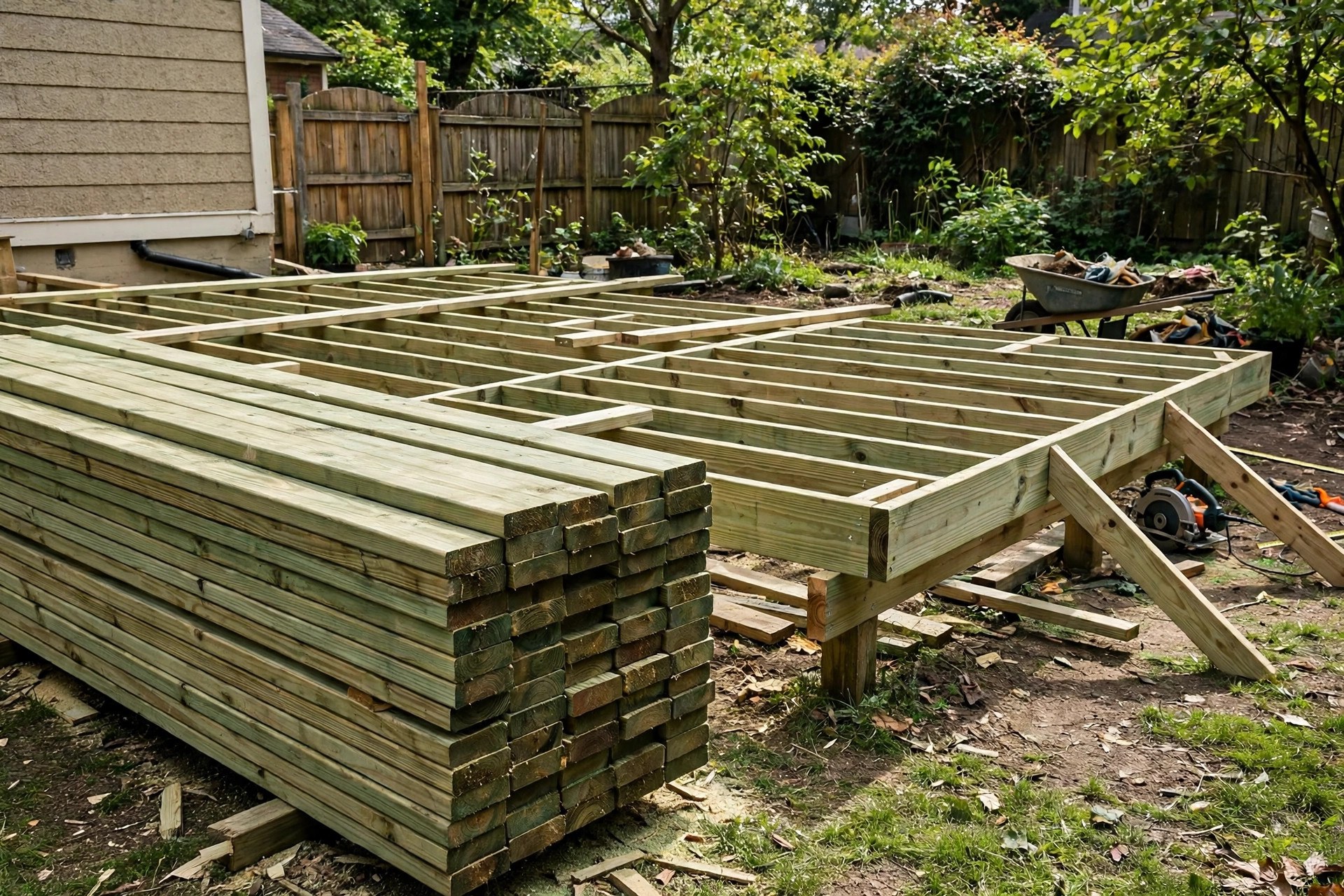
A pressure-treated 2x8x12 is ordinary lumber that has been forced full of preservative chemicals under pressure, so it resists rot and insects outdoors, while a standard 2x8x12 is untreated and belongs indoors or in dry, covered spots. Use treated lumber anywhere wood touches soil, concrete, or constant weather.
Pressure-treated lumber is easy to spot: it often has a greenish or brown tint, feels damp and heavy when new, and carries a tag or stamp showing the treatment type and retention level. Standard untreated lumber, sometimes called whitewood, is lighter, drier, and easier to cut and paint, and it is the right choice for indoor framing, shelving, and furniture. Never use untreated lumber where it will stay wet, and never burn pressure-treated offcuts: dispose of them as the label directs.
How to Pick a Straight 2x8x12 at the Store
To pick a straight 2x8x12, sight down the length of the board like a rifle barrel, check both faces for large knots, and reject any board that bows, twists, cups, or has a split running along the grain. Five minutes of picking at the yard saves hours of fighting a warped board at home.
Start by pulling the board off the stack and holding one end up to your eye, looking down the narrow edge. A straight board shows a clean, even line; a bowed board curves to one side, and a twisted board winds like a propeller. Small, tight knots are fine and normal, but large loose knots, especially near the edge or in the middle of a span, weaken the board and should be avoided. Check the ends for splits and for a grade stamp that tells you the species and grade. Sort through the stack: the straightest boards are often buried in the middle.
Cutting and Working With a 2x8x12
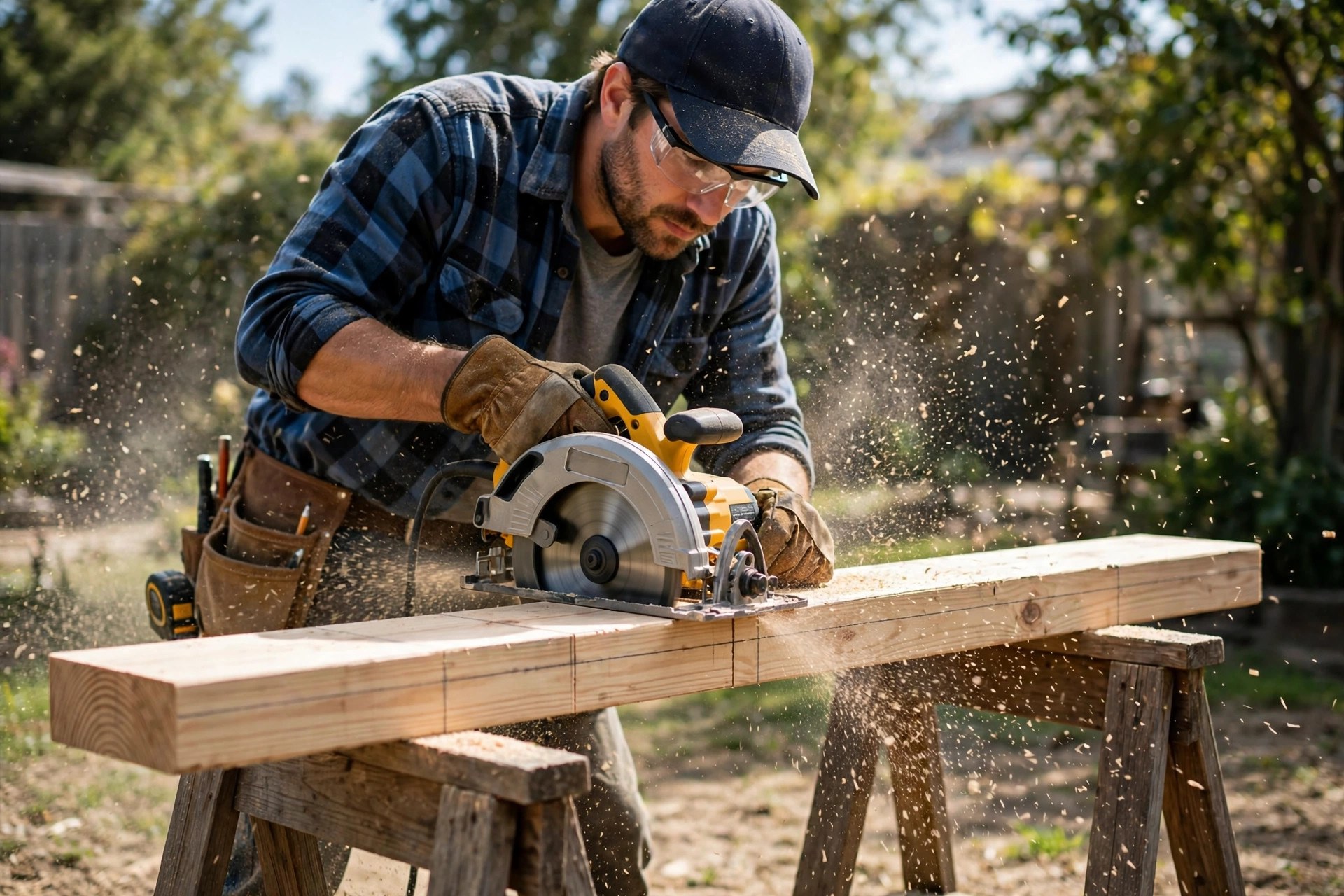
Cutting a 2x8x12 is straightforward with a circular saw or a mitre saw, as long as you measure from the actual size, support both ends of the board, and cut with the saw blade on the waste side of your line. Most mistakes come from measuring the label size instead of the real size.
Mark your cut with a square so the line is straight across the face, and remember the board is 7.25 inches wide, not 8. Support the board on sawhorses with the cut line just past the edge, so the offcut falls free instead of pinching the blade.
- Measure twice from the actual size. Check the length you need against the real board, and mark the cut line with a square.
- Support both ends. Rest the board on two sawhorses so it cannot tip or sag while you cut.
- Set the blade depth. The blade should cut just past the bottom of the board, about a quarter inch deeper than the thickness.
- Cut on the waste side. Keep the blade just outside your pencil line so the piece you keep is exactly the length you marked.
- Check the cut end. A square cut end means your joints will fit tight; an angled cut means gaps and weak joints.
- Sand the cut edges lightly. A quick pass with sandpaper removes splinters and makes the board safe to handle.
A good circular saw with a sharp framing blade will cut a 2×8 cleanly in one pass, and a mitre saw makes repeated square cuts faster and more accurate. For joints, a simple dado joint cut across the face of a 2×8 makes a strong shelf housing, though most framing joints are just nailed or screwed.
Fasteners and Joinery for 2×8 Boards
A 2x8x12 is best fastened with nails or screws at least 3 inches long, driven through the face of one board into the edge or face of the next, with two fasteners at each joint so the connection cannot twist. Short screws and single nails are the most common reason a 2×8 joint works loose.
For framing, 16d common nails, which are 3.5 inches long, are the traditional choice, and they hold well because their length reaches deep into the second board. Structural screws are a modern alternative: they need no pre-drilling, they pull the joint tight, and they can be removed if you make a mistake. The fastener should sink at least 1.5 inches into the second piece. Place two fasteners at each joint, spaced apart, because one fastener acts as a pivot and lets the board rotate. Keep fasteners at least an inch from the end of the board to avoid splitting, and drill a pilot hole near the end grain if the wood is dry and hard.
Storing a 2x8x12 So It Stays Straight
Store a 2x8x12 flat on level supports, indoors or under cover, with weight on top or strapping to hold it down, because a board left leaning against a wall or lying on damp ground will bow and twist as it dries. Lumber moves with moisture, and bad storage is how straight boards turn crooked.
The best way to store boards is flat, stacked on level bearers spaced a couple of feet apart, with thin sticks called stickers between each layer so air can move around the boards. Keep the stack out of direct sun and rain, and out of contact with damp ground, because one wet face and one dry face is what causes cupping. A board leaning upright against a wall will bow under its own weight within days, especially a long 12-foot board. If you must store boards outside, cover the top with a tarp, leave the sides open for airflow, and weigh the stack down.
When a 2x8x12 Is the Wrong Choice
A 2x8x12 is the wrong choice when the span is too long for its depth, when the job needs a wider face for a beam, or when the wood will sit in water or soil without treatment. Picking the wrong board is worse than picking a slightly oversized one, because an undersized board sags and fails.
For a floor joist spanning a long room, a 2×8 may not be deep enough, and the floor will feel bouncy or sag over time; that job may need a 2×10 or 2×12, or an engineered joist. For a beam carrying a heavy load, a single 2×8 is never enough: beams are built from several boards laminated together or from solid engineered beams. For a fence post or a board buried in soil, an untreated 2x8x12 will rot, and only pressure-treated lumber or a naturally durable species will last. Match the board to the job, and when in doubt, ask the yard or check the span tables.
Conclusion
A 2x8x12 is a 12-foot board with a nominal 2 by 8 inch cross-section and a real size of 1.5 by 7.25 inches, and that one fact shapes everything else: how you measure, how you calculate board feet, and how you choose between sizes. Pick straight boards, use treated lumber outdoors, and respect span limits.
Frequently Asked Questions
What is the actual size of a 2x8x12?
A 2x8x12 measures 1.5 inches thick by 7.25 inches wide by 12 feet long. The 2 by 8 size is nominal, from before drying and planing, while the 12-foot length is true to size.
How many board feet are in a 2x8x12?
A 2x8x12 contains 16 board feet. Board feet use nominal sizes, so the maths is 2 times 8 times 12, divided by 12, which equals 16 board feet per board.
Can a 2x8x12 be used as a floor joist?
Yes, a 2x8x12 is commonly used as a floor joist for moderate spans. The safe span depends on species, grade, spacing and load, so always check a span table or local code first.
Is a 2x8x12 pressure treated or untreated?
It can be either. A standard 2x8x12 is untreated and for indoor or dry use, while a pressure-treated 2x8x12 resists rot and insects and is for outdoor or ground-contact use.
How do I keep a 2x8x12 from warping?
Store it flat on level supports, under cover, with air moving around it and weight on top. Never lean a long board against a wall or leave it lying on damp ground.
Disclaimer: This article is provided purely for informational purposes. clearisecleaningservices.com only provides information about lumber sizes and woodworking and does not offer building services, guest posting, paid promotion, or advertising. Span, load and code requirements vary by location and project, so check local building codes and span tables, and consult a qualified builder or structural engineer before framing anything structural. If you are unsure about a load-bearing job, hire a professional.
Thanks for visiting Clearise Cleaning Services! Discover more helpful tips and expert cleaning insights by exploring our related categories.