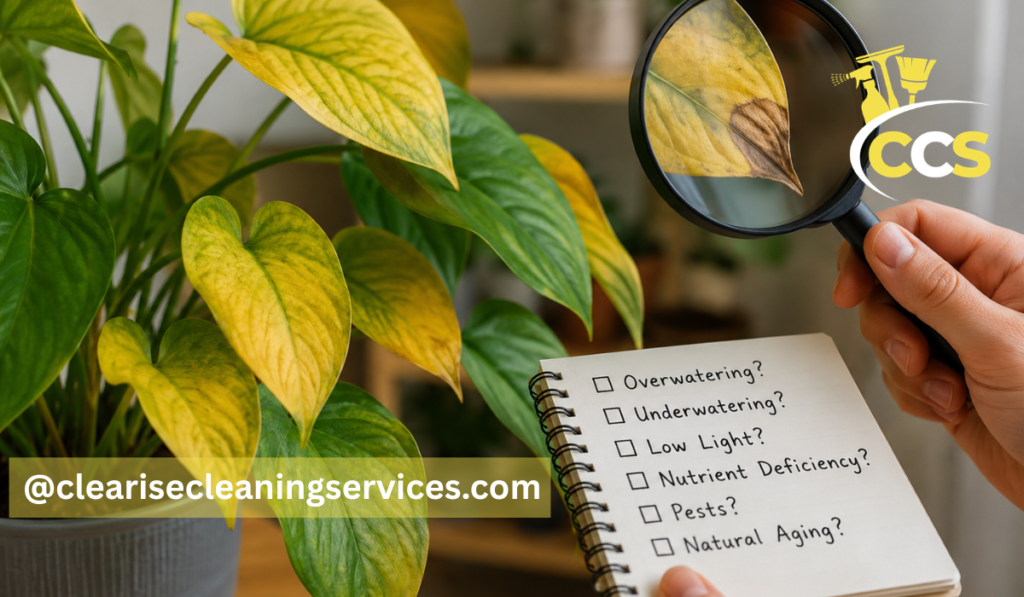
If you have ever looked at your houseplant or garden plant and wondered, “Why are my plant leaves turning yellow?” you are not alone. Yellow leaves are one of the most common signs that a plant is under some kind of stress. Sometimes the problem is simple, like too much water. Other times, it may be linked to light, nutrients, pests, temperature changes, or even the natural aging of older leaves.
The tricky part is that yellow leaves do not always mean the same thing. A plant with soft yellow leaves and wet soil may be overwatered, while a plant with dry yellow edges may need more water or humidity. Indoor plant leaves turning yellow can also happen because of low light, poor drainage, dry air, or a pot that has become too small.
The good news is that yellowing leaves are usually a warning sign, not the end of the plant. Once you understand the pattern, you can often fix the problem before it spreads. This guide will help you identify why your plant leaves are turning yellow, what each symptom means, and what you can do to help your plant recover.
Quick Guide Table
| Yellow Leaf Sign | Likely Cause | What to Do |
| Soft yellow leaves with wet soil | Overwatering | Stop watering and let soil dry |
| Crispy yellow edges | Underwatering or dry air | Water deeply and improve humidity |
| Yellow leaves with green veins | Nutrient issue | Use balanced fertilizer carefully |
| Yellow patches facing sunlight | Too much direct sun | Move plant to indirect light |
| Bottom leaves turning yellow | Natural aging or low nutrients | Remove old leaves and monitor |
Step-by-Step Quick Check
- Check if the soil is wet or dry.
- Look at whether leaves feel soft, crispy, or weak.
- Notice if yellowing starts from the bottom, tips, edges, or patches.
- Inspect under leaves for pests.
- Think about recent changes in watering, light, heat, or location.
Quick Answer: The Most Common Reasons Plant Leaves Turn Yellow
Plant leaves usually turn yellow because something is stopping the plant from staying healthy and balanced. Leaves get their green color from chlorophyll, which helps the plant use light for energy. When the plant is stressed, damaged, or lacking something important, that green color can fade.
The most common reason is watering trouble. Overwatering is especially common because many plant owners water too often without checking the soil first. When soil stays wet for too long, roots cannot breathe properly. This can cause soft, yellow leaves and may eventually lead to root rot. Underwatering can also cause yellow leaves, but the leaves often look dry, crispy, curled, or weak.
Poor lighting is another major reason. A plant kept in a dark corner may drop older leaves because it cannot make enough energy. On the other hand, direct harsh sunlight can burn leaves and create yellow or pale patches.
Nutrient deficiency can also be involved. Yellowing of leaves is due to deficiency of nitrogen in many cases, especially when the oldest leaves turn yellow first. Iron, magnesium, and potassium problems can also cause yellow patterns.
Other causes include pests, summer heat stress, sudden temperature changes, and natural old-leaf shedding. The key is to look at the whole plant, not just one yellow leaf.
Watering Problems: The First Thing to Check
When asking why are my plant leaves turning yellow, watering should be the first thing you check. Most yellow leaf problems begin in the soil. If the roots are too wet or too dry, the leaves quickly show signs of stress.
Overwatering often causes leaves to become soft, limp, or mushy. The soil may feel damp even several days after watering, and the pot may feel heavy. Yellowing often starts on lower leaves and may spread if the roots are struggling. In serious cases, the plant may smell bad near the soil, or the stems may become weak.
Underwatering looks different. The leaves may turn yellow, but they often feel dry, thin, crispy, or curled. The soil pulls away from the sides of the pot, and the pot feels very light when lifted. In this case, yellowing of leaves is due to deficiency of water because the plant cannot move enough moisture through its roots and stems.
A simple way to check is the finger test. Push your finger about one to two inches into the soil. If it still feels moist, wait before watering again. If it feels dry at that depth, the plant may need water. For larger pots, you may need to check deeper because the top can dry while the lower soil stays wet.
It is also important to water deeply when the plant actually needs it. A small splash on the surface is not enough. Water until a little drains from the bottom, then let the extra water escape. Never allow the pot to sit in standing water for long.
Indoor Plant Leaves Turning Yellow
Indoor plant leaves turning yellow can happen for several reasons, and many are related to the indoor environment. Homes often have less light, drier air, and less airflow than outdoor spaces. Plants may survive indoors, but they still need the right balance.
Low light is a common problem. A plant placed far from a window may not receive enough energy to support all its leaves. Older leaves may turn yellow and fall off as the plant tries to save energy for new growth. If new growth is small, weak, or stretching toward the light, the plant may need a brighter spot.
Poor drainage is another indoor issue. Decorative pots without drainage holes may look attractive, but they can trap water around the roots. This often leads to yellow leaves, especially if the plant is watered on a strict schedule. Always make sure the pot has drainage holes, or use a nursery pot inside the decorative container so extra water can be removed.
Dry indoor air can also cause yellowing, especially around leaf tips and edges. This is common in air-conditioned rooms or heated homes. Some tropical plants, such as peace lilies, calatheas, and ferns, are more sensitive to dry air.
Pot-bound roots can also create yellow leaves. When roots fill the pot completely, they cannot absorb water and nutrients well. You may see roots circling the bottom or coming out of drainage holes. In this case, repotting into a slightly larger container can help.
Yellow Leaves at the Tips, Edges, and Margins
Plant leaves turning yellow at tips or along the edges often point to stress around water, minerals, humidity, or fertilizer. This type of yellowing is different from an entire leaf turning yellow evenly.
When plant leaves turn yellow on the edges, the plant may be dealing with dry air, inconsistent watering, or salt buildup in the soil. Salt buildup can happen when too much fertilizer is used or when minerals from tap water collect in the pot over time. These salts can irritate the roots and make it harder for the plant to take in water.
Yellow tips may also appear when a plant dries out too often between waterings. Even if you water deeply once in a while, repeated dry spells can damage leaf tips. The tips may first turn yellow, then brown and crispy.
Dry air is another common reason, especially for indoor tropical plants. If the leaf edges look dry and the room feels very dry, humidity may be part of the issue. Grouping plants together, keeping them away from heaters, and using a humidity tray can help. A humidifier can also be useful for plants that prefer more moisture in the air.
If fertilizer is the cause, stop feeding for a while and flush the soil with clean water. Let water run through the pot to wash out extra minerals, then allow the soil to drain fully. After that, use fertilizer more lightly and only during active growth.
Yellow Leaves Falling Off the Plant
Many people worry when their plant leaves turn yellow and fall off. In some cases, this is normal. In others, it is a sign that the plant is trying to survive stress.
If one or two older leaves at the bottom turn yellow and drop, the plant may simply be shedding old growth. This is common on many healthy plants. Leaves do not live forever, and plants often redirect energy toward fresh growth.
However, if many leaves turn yellow and fall off at once, there is likely a bigger problem. Sudden leaf drop can happen after overwatering, underwatering, cold drafts, moving the plant to a new location, pest attacks, or a major change in light. A plant that drops leaves quickly is usually reacting to stress.
The pattern matters. If lower leaves are turning yellow first, check watering and nutrients. If leaves across the whole plant are yellowing and falling, look for root problems, pests, or a sudden environmental change. If only the side facing a window is affected, strong sun may be causing damage.
Falling yellow leaves are a warning sign when the plant is also wilting, stems are soft, soil smells bad, or new growth stops. In that case, act quickly by checking the roots, improving drainage, and adjusting care.
Nutrient Deficiencies That Cause Yellow Leaves
Nutrient problems can also explain why plant leaves are turning yellow. Plants need a balanced supply of nutrients to grow strong leaves, roots, and stems. When one important nutrient is missing or unavailable, yellowing can appear in certain patterns.
Yellowing of leaves is due to deficiency of nitrogen when the older, lower leaves turn pale green or yellow first. Nitrogen helps plants make healthy green growth. If the plant has used up the nitrogen in the soil, it may move nutrients from older leaves to newer growth, causing the older leaves to yellow and drop.
Iron deficiency looks different. With iron problems, the leaf tissue may turn yellow while the veins stay green. This is often called chlorosis. It can happen even when iron is present in the soil if the soil pH is too high or the roots are unhealthy.
Magnesium deficiency can cause yellowing between the veins, often starting on older leaves. Potassium-related problems may show as yellow or brown edges, weak growth, or leaf damage.
Fertilizer can help when a true deficiency is present, but it should be used carefully. Adding fertilizer to an overwatered or sick plant can make stress worse. If roots are damaged, they may not be able to use the nutrients. It is better to fix watering, drainage, and light first, then feed lightly during the growing season with a balanced plant fertilizer.
Light Problems That Make Leaves Turn Yellow
Light has a major effect on leaf color. Plants need light to make energy, but the amount and type of light must match the plant’s needs.
Too little light often causes older leaves to turn yellow and drop. The plant may stretch toward a window, grow slowly, or produce smaller leaves. This happens because the plant cannot support all its foliage in low light. It chooses to keep newer growth alive and lets older leaves go.
Too much light can also cause yellow leaves. Harsh direct sun can bleach or scorch the leaf surface. Instead of even yellowing, you may notice pale yellow patches, dry spots, or burned areas. This often appears on the side of the plant facing the window or afternoon sun.
Moving a plant should be done slowly when possible. A plant that has been in low light can get shocked if suddenly placed in strong direct sun. Start by moving it to bright, indirect light. If the plant can handle some sun, introduce it gradually.
For indoor plants, bright indirect light is usually safest. This means the room is bright, but the sun is not directly hitting the leaves for long periods. Matching the plant to the right light level can prevent many yellow leaf problems.
Summer Stress and Heat-Related Yellowing
If you are wondering why are my plant leaves turning yellow in the summer, heat and fast-changing moisture are often part of the answer. Summer can be stressful for plants, especially when temperatures rise quickly or sunlight becomes stronger.
In hot weather, soil dries faster. A plant that was fine with weekly watering in spring may need more frequent checks in summer. This does not mean you should water every day automatically. It means you should check the soil more often and water when it is actually dry.
Heat stress can cause leaves to look weak, yellow, curled, or scorched. Plants near hot windows, balconies, patios, or walls may suffer because these areas hold and reflect heat. Indoor plants can also be affected by strong sun through glass, which may burn leaves.
Summer sunburn usually appears as yellow, pale, or brown patches on exposed leaves. The damaged areas will not turn green again, but you can prevent more damage by moving the plant slightly away from harsh sun or using a sheer curtain.
Watering adjustments are important in summer. Water deeply when needed, preferably in the morning or evening when temperatures are cooler. Avoid letting plants sit in hot, wet soil, because heat and soggy roots can quickly lead to root problems.
Pests and Diseases Behind Yellow Leaves
Pests can be a hidden reason behind yellow leaves. Small insects may feed on plant sap, weakening the leaves and causing spots, yellow patches, or general decline. The plant may look like it has a watering problem, but the real cause is damage from pests.
Spider mites are common on indoor plants, especially in dry conditions. They are tiny and may be hard to see, but they often leave fine webbing between leaves or stems. Leaves may develop small yellow speckles before turning dull or dry.
Aphids are small soft-bodied insects that gather on new growth, stems, and the underside of leaves. They can cause curling, sticky residue, and yellowing. Mealybugs look like small white cottony spots and often hide in leaf joints or along stems.
Diseases and root issues can also cause yellow leaves. Fungal problems are more likely when soil stays wet, airflow is poor, or leaves remain damp for long periods. Root rot is especially serious because damaged roots cannot absorb water properly, even when the soil is wet.
Inspect your plant closely. Look under leaves, near stems, around new growth, and on the soil surface. If you find pests, isolate the plant from others and treat it early. Wiping leaves, rinsing the plant, and using insecticidal soap can help with many common pests.
How to Diagnose Yellow Leaves Step by Step
The best way to diagnose yellow leaves is to slow down and observe the whole plant. Guessing can lead to the wrong fix. For example, adding more water to an overwatered plant will only make things worse.
Start with the soil. Is it wet, dry, compacted, or smelling bad? Wet soil with soft yellow leaves often means overwatering. Dry soil with crispy leaves often points to underwatering.
Next, look at the leaf texture. Soft and limp leaves suggest too much moisture or root trouble. Dry, curled, or crispy leaves suggest lack of water, dry air, or heat stress.
Then notice where the yellowing starts. Lower leaves turning yellow may point to watering problems, nitrogen deficiency, or natural aging. Yellowing at the tips and edges may suggest dry air, salt buildup, or inconsistent watering. Yellow leaves with green veins may suggest iron or magnesium issues.
Inspect for pests. Check the underside of leaves, stems, and new growth. Look for webbing, sticky residue, tiny moving dots, white cottony patches, or distorted leaves.
Finally, think about recent changes. Did you move the plant? Change watering habits? Turn on heating or air conditioning? Repot it? Fertilize it? Bring it indoors or outdoors? Plants often react to sudden changes, and yellow leaves may appear days or weeks later.
What Should I Do If My Plant Leaves Are Turning Yellow?
If you are asking, “My plant leaves are turning yellow, what should I do?” the first step is not to panic. A few yellow leaves do not always mean the plant is dying. The right action depends on the cause.
Remove leaves that are fully yellow, especially if they are dry or weak. Once a leaf has turned completely yellow, it usually cannot turn green again. Use clean scissors or shears and cut near the base of the leaf stem. Do not pull hard, because this can damage the plant.
Adjust watering carefully. If the soil is wet, wait before watering again and make sure the pot drains properly. If the soil is very dry, water deeply and let the extra water drain out. Avoid watering on a strict calendar without checking the soil first.
Improve light conditions if needed. Move low-light plants closer to a bright window, but avoid sudden exposure to harsh sun. If the plant is getting burned, move it slightly back or filter the sunlight.
Treat pests early if you find them. Isolate the affected plant, wipe the leaves, and use a suitable gentle treatment. Recheck the plant every few days because pests can return.
Avoid over-fertilizing. Fertilizer is not a cure for every yellow leaf problem. Feed only when the plant is actively growing and only after basic care problems have been corrected. Most importantly, give the plant time. Recovery is not instant, but new healthy growth is a good sign.
When Yellow Leaves Are Normal
Not every yellow leaf is a problem. Sometimes yellowing is simply part of the plant’s natural life cycle. Older bottom leaves may turn yellow, dry up, and fall away as the plant grows new leaves.
This is common on mature plants. The plant may decide that older leaves are no longer useful and redirect energy toward fresh growth. If the rest of the plant looks healthy, new leaves are forming, and only one or two lower leaves are yellow, there may be nothing to worry about.
Seasonal changes can also cause some yellowing. Plants may slow down in cooler months or after a change in light. During this time, they may drop a few older leaves. This is normal as long as the yellowing is limited and not spreading quickly.
The difference between normal aging and a real problem is the overall condition of the plant. A healthy plant with one old yellow leaf is usually fine. A plant with many yellow leaves, wet soil, pests, weak stems, or no new growth needs closer attention.
Understanding this difference can save you from overreacting. Sometimes the best care is simply removing the old leaf and continuing your normal routine.
Conclusion
So, why are my plant leaves turning yellow? The answer depends on the pattern. Yellow leaves are a symptom, not a single problem. They can be caused by overwatering, underwatering, poor light, nutrient deficiency, pests, heat stress, indoor conditions, or natural aging.
Before taking action, check the basics. Look at the soil moisture, leaf texture, light level, pot drainage, pests, and recent changes in the plant’s environment. These small clues usually reveal the real cause.
Most plants can recover when the problem is found early and corrected gently. You do not need to fix everything at once. Start with the most likely cause, make one or two careful changes, and watch for new healthy growth. A yellow leaf may not turn green again, but with the right care, your plant can still grow stronger and healthier over time.
FAQs
Why Are My Plant Leaves Turning Yellow Suddenly?
Sudden yellow leaves usually happen because of watering stress, a light change, pests, or temperature shock. Check the soil first, then inspect the leaves and stems closely.
Can Yellow Plant Leaves Turn Green Again?
Fully yellow leaves usually do not turn green again because they have lost chlorophyll. You can remove them and focus on helping the plant grow healthy new leaves.
Are Yellow Leaves A Sign Of Overwatering?
Yes, overwatering is one of the most common causes. Soft yellow leaves, wet soil, and a heavy pot often mean the roots are staying too damp.
Why Are My Indoor Plant Leaves Turning Yellow?
Indoor plant leaves may turn yellow from low light, poor drainage, dry air, overwatering, or roots that need more space. Check the plant’s location and pot first.
Should I Cut Off Yellow Leaves?
Yes, if the leaf is fully yellow or dying, remove it with clean scissors. This keeps the plant tidy and helps it focus energy on healthy growth.
Disclaimer: This article is for general plant care guidance only. Plant needs can vary by species, season, climate, and growing conditions. Always observe your specific plant before making major care changes.
Thanks for visiting Clearise Cleaning Services! Discover more helpful tips and expert cleaning insights by exploring our related categories.